CAFFITEEN
CAFFITEEN
Track Smarter, Less Caffeine, Better You
CaffiTeen – Congressional App Challenge 2025 (NJ-05) / Presidential AI Challenge 2026 / Technovation Girls 2026
https://www.caffiteenyouth.org/
CaffiTeen is a web app that helps teens understand their caffeine intake through half-life tracking, visualized data, and simple health guidance.
Program: Congressional App Challenge (NJ-05) / Presidential AI Challenge 2026 / Technovation Girls 2026
Approach: Built with Bubble.io and Chart.js, featuring behavioral-science content and responsive UI/UX
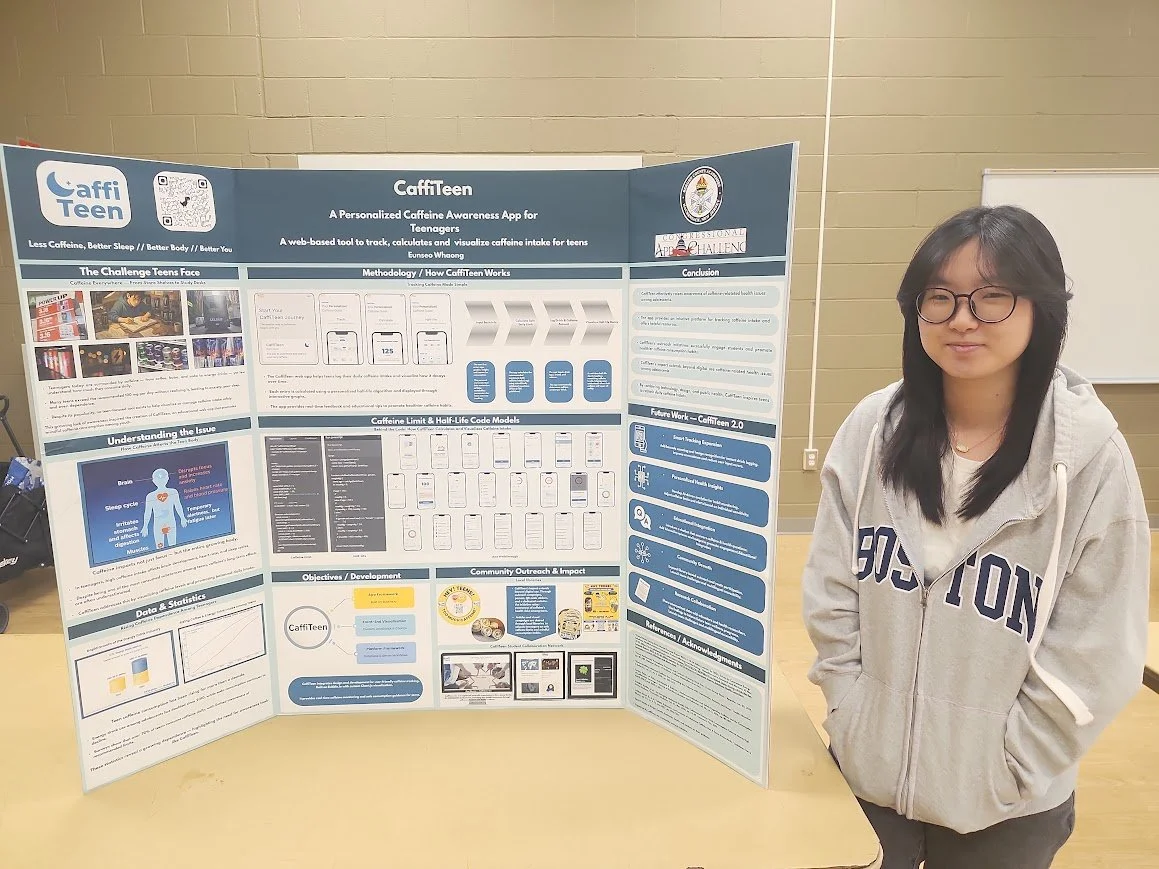
Outcome: Delivered a functional app, 3-minute demo video, 20-slide presentation, and an official trifold board
Impact: Supports healthier caffeine habits among teenagers
Congressional App Challenge Fair
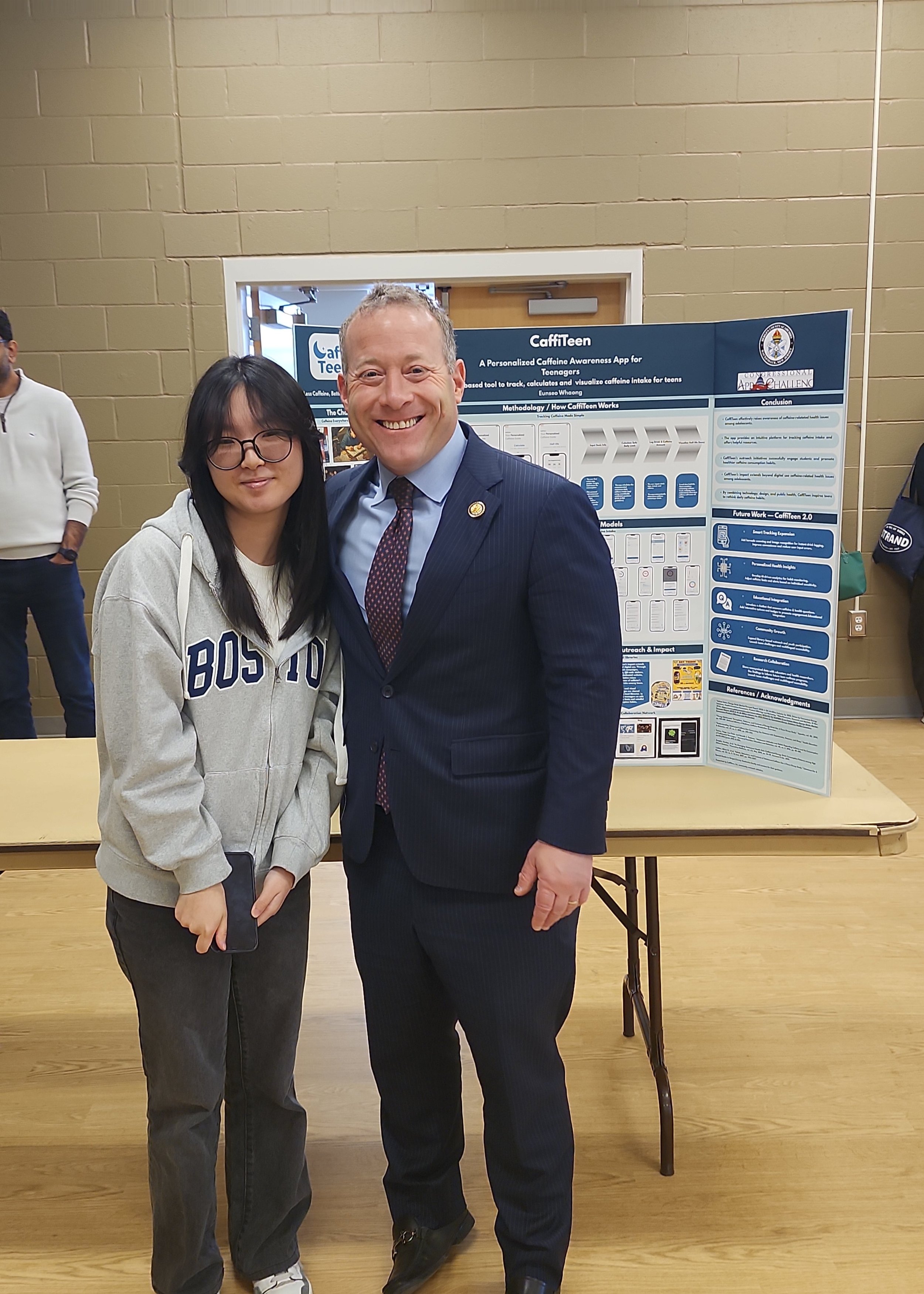
CaffiTeen was invited to the NJ-05 App Challenge Fair hosted by Congressman Josh Gottheimer, held on November 15, 2025, at the Hackensack Recreation Center. I showcased the app and shared the project with the community.
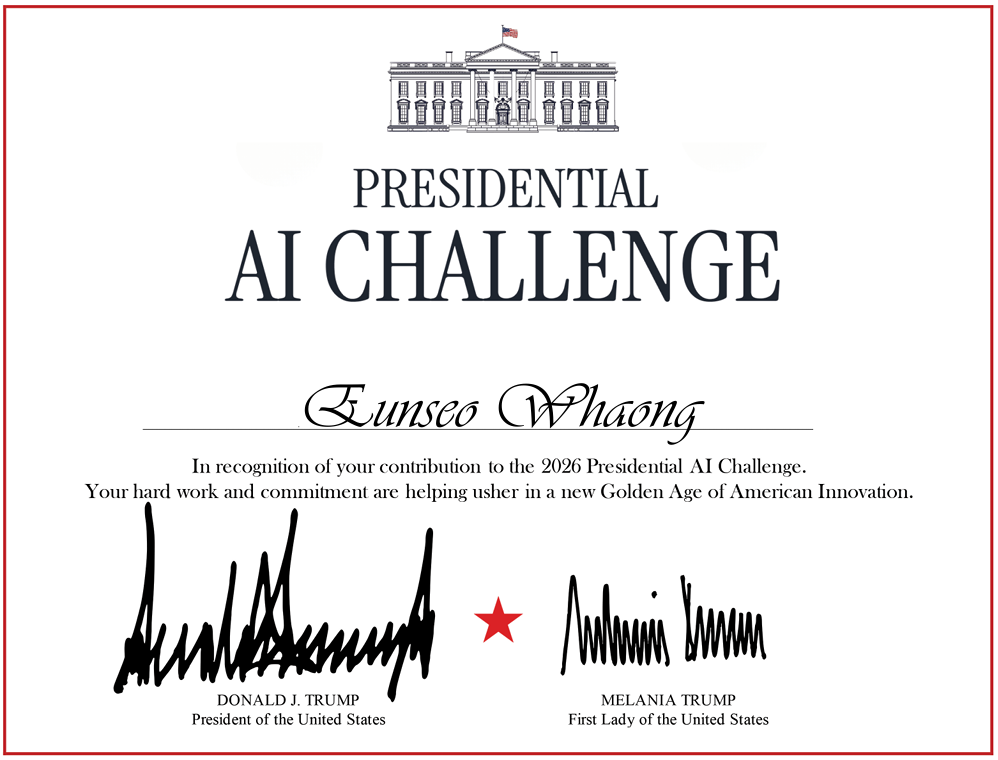
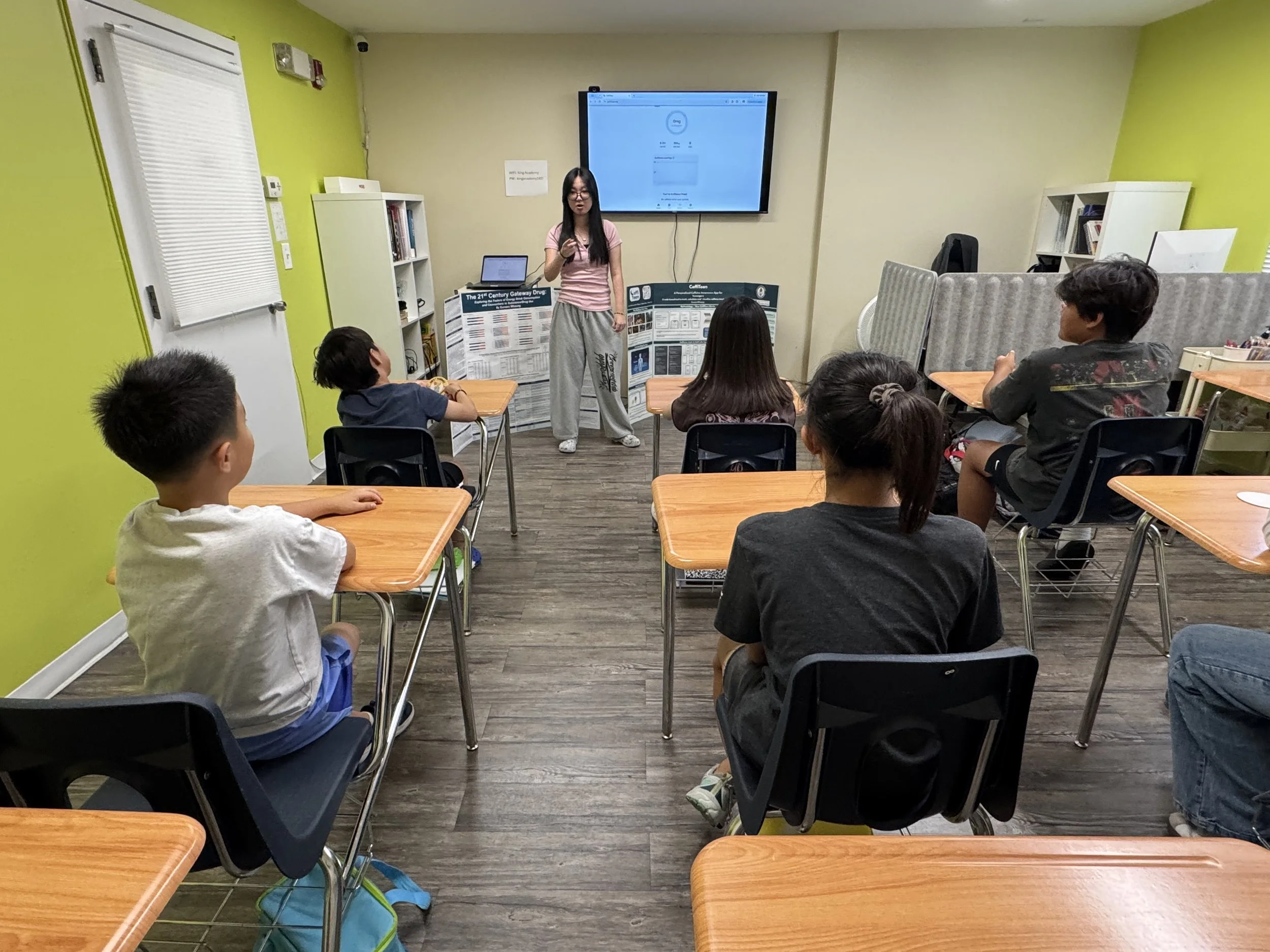
— Palisades Park, NJ
December 2025
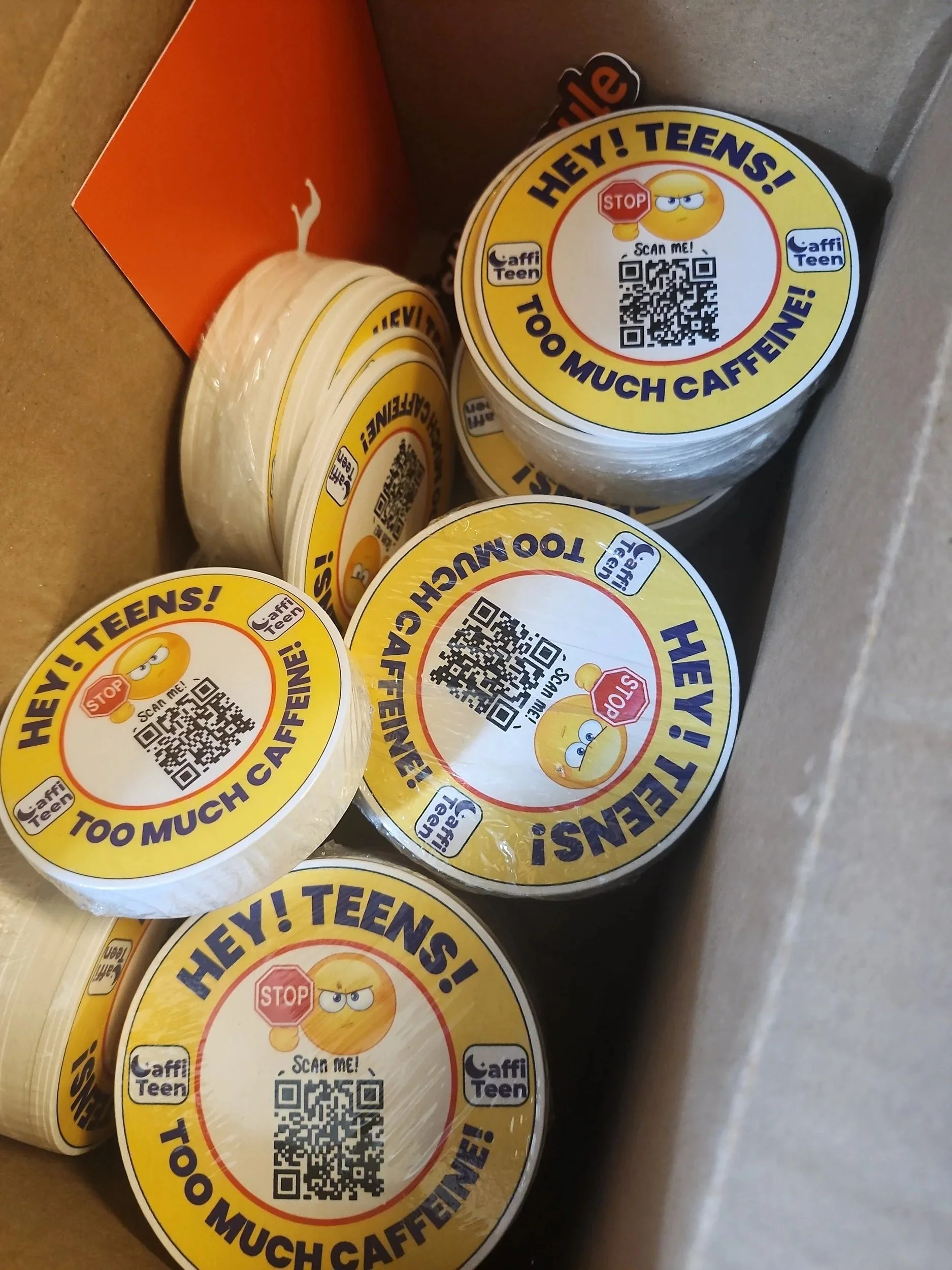
CaffiTeen Library Outreach

— Fort Lee, NJ
September 3, 2026
— Fair Lawn, NJ
September 10, 2026
— Teaneck, NJ
September 4, 2026
— Leonia, NJ
September 15 , 2026
Texas Teen's Death Raises Questions About Energy Drink Safety: What Teens Should Know
A Tragic Reminder: What the Larissa Rodriguez Case Teaches Us About Caffeine Safety
In October 2025, 17-year-old Texas cheerleader Larissa Nicole Rodriguez suddenly passed away.
In April 2026, the Hidalgo County Medical Examiner determined that her cause of death was cardiomyopathy associated with excessive caffeine consumption. Her family later filed a wrongful death lawsuit, alleging that her daily consumption of Alani Nu energy drinks contributed to her death. The lawsuit is still ongoing, and no court has determined legal responsibility.
While the legal case continues, one question remains:
Do we really know how much caffeine we consume each day?
Many people only think about energy drinks, but caffeine also comes from coffee, tea, soda, chocolate, and pre-workout supplements. These sources can quickly add up.
At CaffiTeen, we believe awareness is the first step toward healthier choices. Knowing your daily caffeine intake can help you make informed decisions and develop safer habits.
Every sip counts. Know your caffeine.
Editor's Note: This article is for educational purposes only. The Larissa Rodriguez lawsuit is ongoing, and legal responsibility has not been determined.
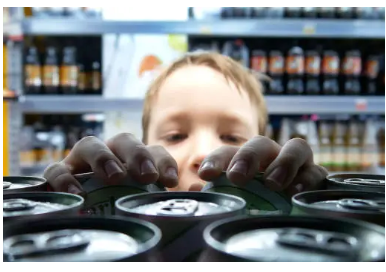
England to Ban High-Caffeine Energy Drink Sales to Children Under 16
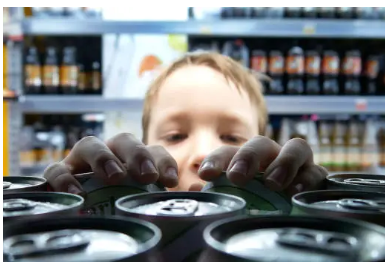
The UK government has confirmed that England will ban the sale of high-caffeine energy drinks to children under the age of 16 beginning in April 2027, subject to parliamentary approval.
The restriction will apply to drinks containing more than 150 milligrams of caffeine per liter, excluding traditional tea and coffee. It will cover sales in stores, vending machines, websites, and other online retailers.
According to the UK government, approximately 100,000 children in England consume high-caffeine energy drinks every day. Research has linked frequent consumption among young people to anxiety, disrupted sleep, difficulty concentrating, dental problems, and increased blood pressure. These effects may also interfere with classroom performance and overall well-being.
The policy follows a public consultation that received 1,095 responses from public-health organizations, businesses, enforcement agencies, and members of the public. Retailers will be responsible for verifying that these products are not sold to children under 16. Businesses that violate the law may face fines of up to £2,500.
The announcement also highlights concerns about health inequality. Children living in lower-income communities are more likely to consume energy drinks regularly and may experience a greater share of the related health and educational consequences.
Why This Matters
Energy drinks have become increasingly normalized through social media, sports marketing, convenience stores, and school culture. However, their high caffeine content can be especially concerning for developing teenagers.
England’s new policy represents a growing public-health effort to reduce young people’s access to highly caffeinated products. It also raises important questions about whether other countries, including the United States, should consider stronger age restrictions, clearer caffeine labels, and increased education for teenagers and parents.

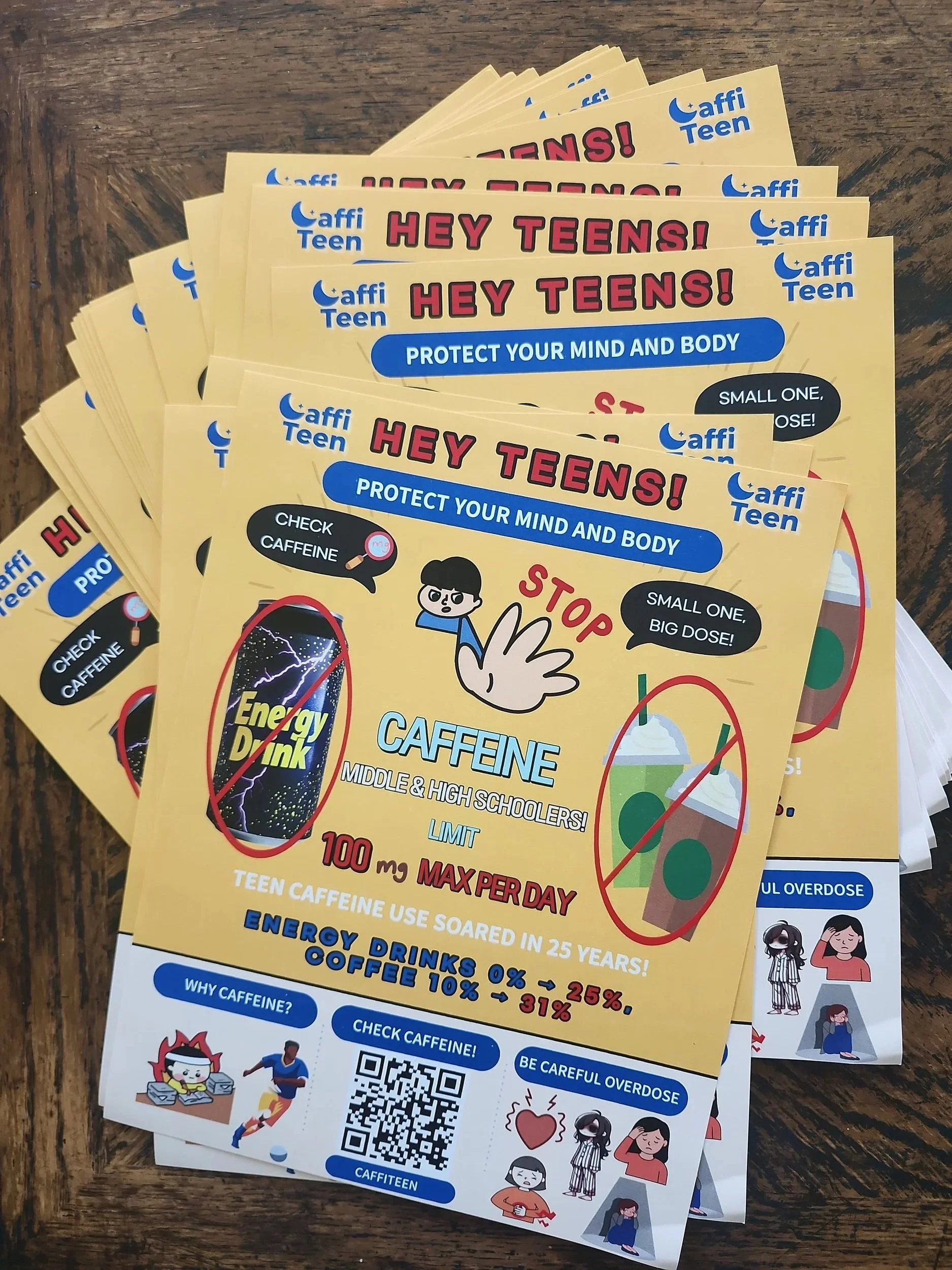
CaffiTeen Community Outreach: Poster Featured at Palisades Park Public Library
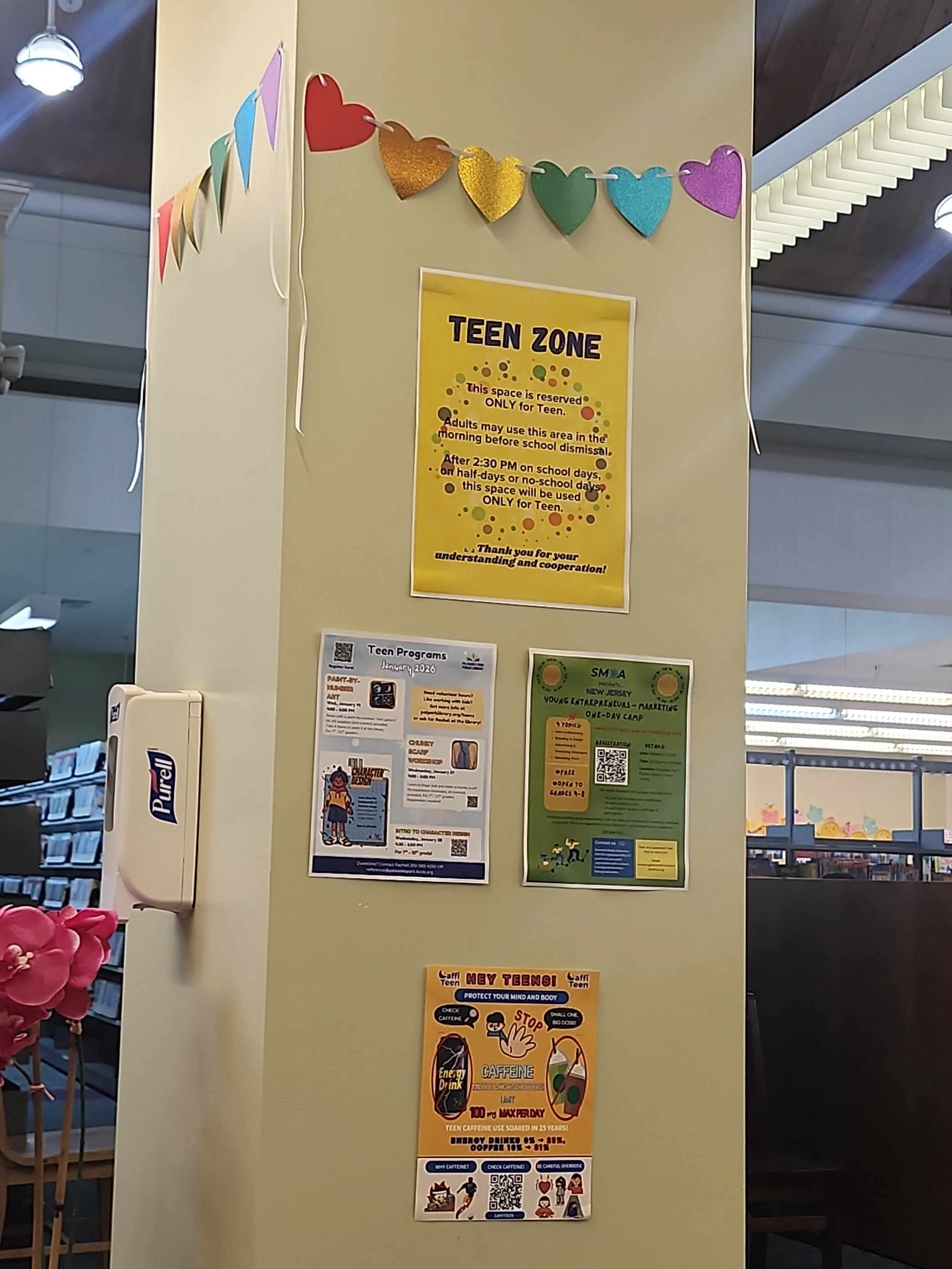
Coordinated with Palisades Park Public Library staff to display a CaffiTeen health awareness poster in the Teen Zone. The poster educates teens about caffeine intake risks and includes a QR code linking to the CaffiTeen AI-powered tracking platform. This outreach initiative extends CaffiTeen’s mission from digital innovation to community impact.

Palisades Park Public Library – Multimedia Center

Palisades Park Public Library
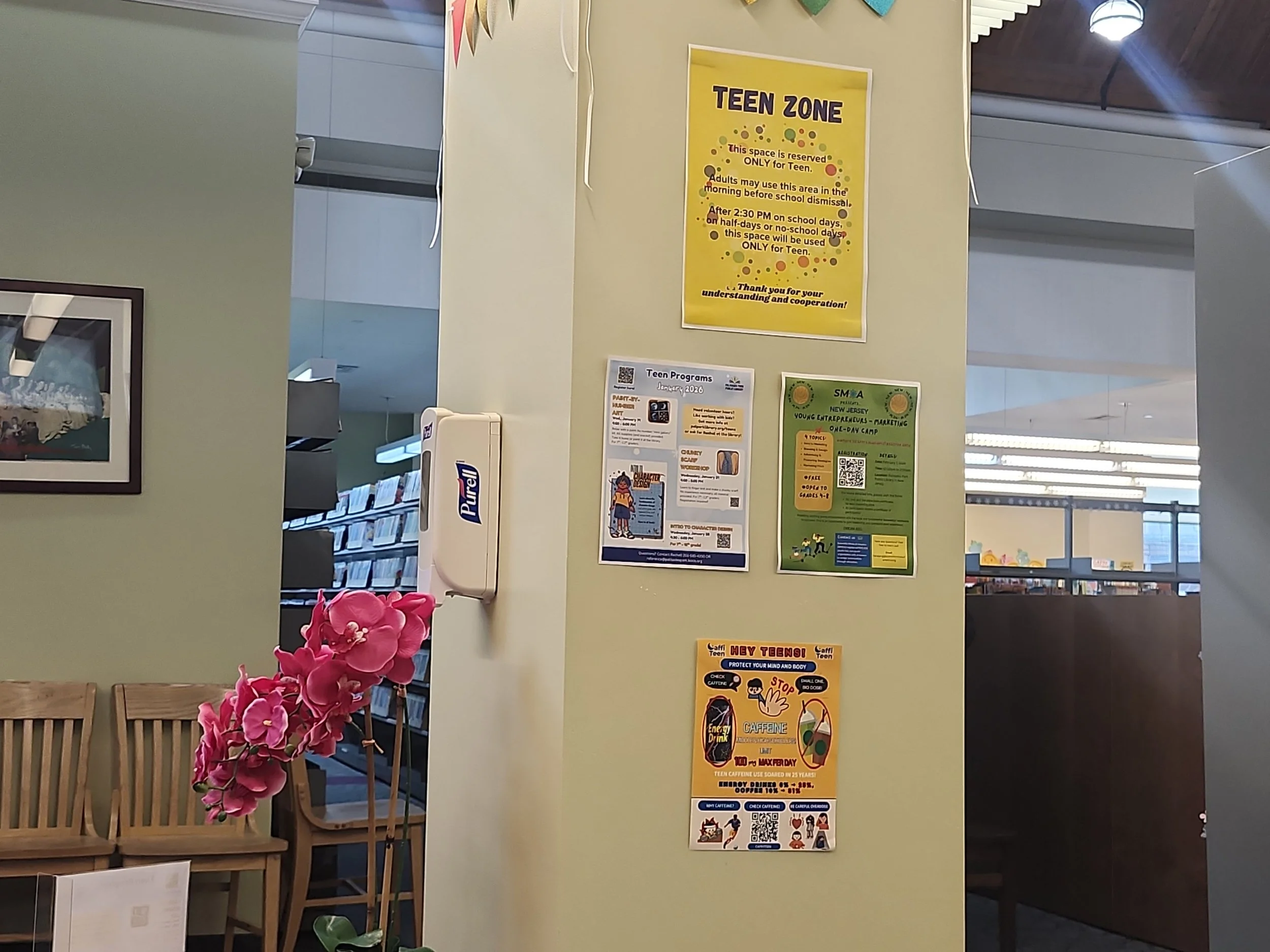
Palisades Park Public Library – Multimedia Center
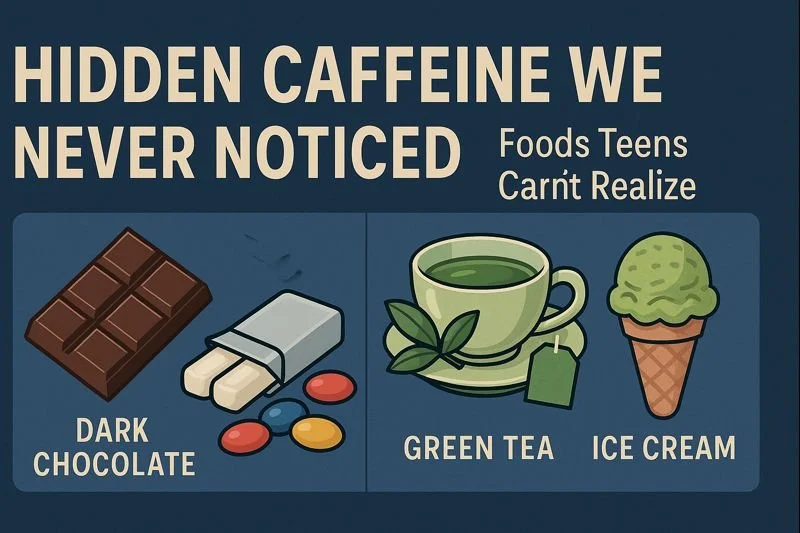
Hidden Caffeine We Never Noticed” — Foods Teens Don’t Realize Carry a Buzz
Written by Eunseo Whaong
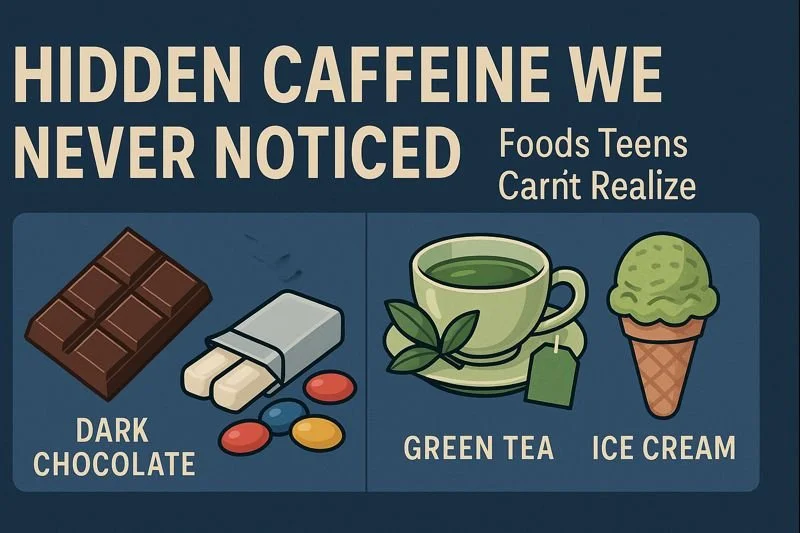
As someone studying teen caffeine habits, I found this new article especially interesting because it highlights something many of us completely overlook — the surprising amount of caffeine hiding in ordinary foods.
We often assume we’re “avoiding caffeine” when we skip coffee or energy drinks, but the truth is that many teens consume caffeine throughout the day without realizing it. According to the article, foods like dark chocolate, green tea, candies, gum, certain ice creams, and even some pain relievers contain enough caffeine to affect sleep, mood, and focus.
What makes this more concerning is how casually these items are consumed. A piece of dark chocolate after school, a cup of green tea while studying, a soda at dinner, or a few pieces of gum to stay alert — each one seems harmless on its own. But together, they can quietly add up to a significant amount of caffeine.
For teens, who tend to be more sensitive to stimulants, these hidden sources can disrupt sleep patterns, worsen anxiety, and make it harder to concentrate. Many students don’t associate these symptoms with their diet, which makes the issue even easier to ignore.
From my perspective, caffeine itself isn’t the problem — unawareness is.
When teens know where caffeine is hiding, they can make better choices for their energy, mood, and well-being.
If you’ve ever been surprised by the caffeine content in a certain food or drink, feel free to share — I’d love to hear your experiences.

Energy Drinks Are Sending More Teens to the ER
Written by Eunseo Whaong

Energy Drinks Are Sending More Teens to the ER — Here's Why
Most people think caffeine is harmless because it’s in sodas, coffee and snacks you see every day. But new data is showing something most teens don’t realize — more kids are ending up in the emergency room because of it.
A recent study from Epic Research looked at over 223 million ER visits and found that caffeine-related hospital trips have nearly doubled for both middle and high school students between 2017 and 2023.
Middle schoolers went from 3.1 to 6.5 ER visits per 100,000 students, and high schoolers jumped from 7.5 to 13.7 in the same time period.
Even more surprising?
Boys were three times more likely than girls to show up in the ER because of caffeine-related issues.
And this isn’t just about coffee. Poison control centers across the U.S. reported that calls involving kids and energy drinks went up by about 20% in 2023 after staying steady for years.
So why is this happening — and what should people our age actually know?
1. Water and milk are still the safest drinks for teens
Both the FDA and the American Academy of Pediatrics agree that the best drinks for kids and younger teens are still just water and milk.
Kids under 12 aren’t supposed to have caffeine at all, and children under 2 should completely avoid it.
The tricky part is that science doesn’t have an exact “safe limit” for teens yet, because testing on kids isn’t allowed. But doctors say problems usually start when caffeine comes in large amounts or is mixed with sugary energy drinks.
For adults, around 400mg a day is considered fine — but that doesn't apply to teenagers.
To give you an idea of actual caffeine levels:
A 12oz soda = 23–84 mg
A 12oz coffee = 113–247 mg
One energy drink = 100–300 mg
So drinking even one or two energy drinks can push a teen past what their body can handle.
2. Caffeine hides in more than just drinks
When people think “caffeine,” they usually picture coffee, energy drinks or sodas. But the FDA says it's also in stuff you wouldn’t expect, like:
Ice cream
Chocolate chips
Energy bars/protein bars
Chewing gum
Over-the-counter pills
Even decaf coffee and tea still have small amounts.
If caffeine is added to a product, it legally has to show up on the label as “caffeine.”
But if it's natural — like in chocolate — the label won’t warn you.
That makes it easy to accidentally stack up caffeine without realizing it.
3. Caffeine poisoning is real — and it can get serious fast
Kids and teens don’t always recognize the warning signs that they’ve had too much. Some of the first symptoms of caffeine overload include:
Fast heartbeat
Heart palpitations
High blood pressure
Shaking or tremors
Nausea
Anxiety or restlessness
In more serious cases, it can lead to:
Seizures
Vomiting
Trouble breathing
Cardiac arrest
Even mild cases can cause:
Headaches
Irritability
Dehydration
Stomach pain
Sleep problems
Weird mood swings
If someone starts feeling off after having caffeine, especially from energy drinks, they need medical help right away — not a nap or water break.
So what now?
Energy drinks and caffeine aren’t going away anytime soon, and companies clearly know how to market them to younger people. But the numbers don’t lie — more teens are ending up in the hospital because of it.
Knowing what's actually in what you drink (or eat) is the first step. The next step is paying attention to how your body reacts — especially if you mix caffeine with little sleep, stress, or other health issues.
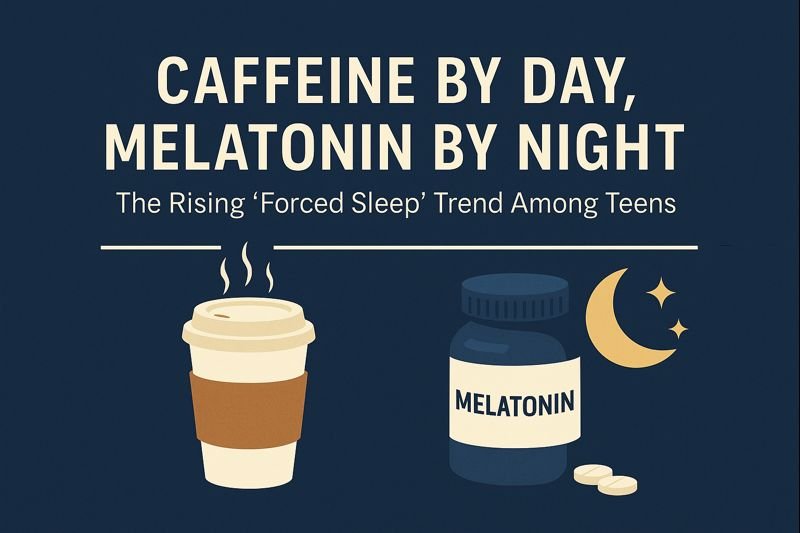
Caffeine by Day, Melatonin by Night” — A Growing Concern Among Teens
Written by Eunseo Whaong
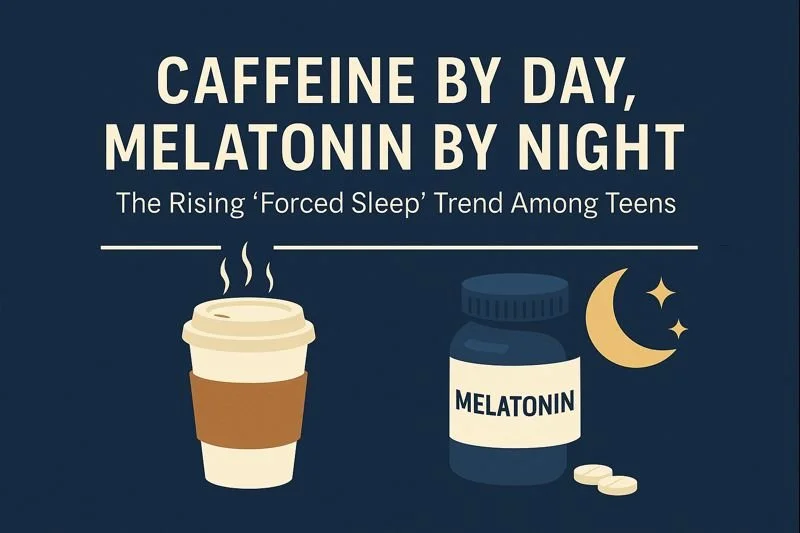
Staying awake with caffeine during the day, then forcing themselves to sleep with melatonin at night.
Many students are now relying on caffeine to stay awake during the day and melatonin to force themselves to sleep at night. As someone who studies teen caffeine habits, this immediately caught my attention.
During busy school periods, students drink energy drinks or coffee again and again to stay alert. But caffeine can stay in the body for 6–12 hours, meaning an afternoon drink can easily disrupt sleep. When they can’t fall asleep later, they turn to melatonin to “reset” their sleep cycle.
What makes this even more concerning is that many teens use high-dose imported melatonin, which often contains inaccurate or inconsistent amounts of the hormone. Reports show that some products have four to five times the labeled dose, especially gummy types that teens prefer. Side effects such as vivid dreams, next-day sleepiness, headaches, and trouble concentrating are being reported more frequently.
The biggest issue is the cycle itself:
Caffeine keeps them awake
Melatonin forces them to sleep
Their natural rhythm becomes dependent on both
This can harm sleep quality, focus, mood, and long-term health — especially for teens whose brains are still developing.
From my perspective, caffeine and melatonin are not “bad,” but turning them into a routine can easily mask deeper problems like chronic sleep deprivation and stress. Healthy sleep habits and balanced energy routines are far more effective than relying on substances.
Teen's Death Sparks Concern Over Hidden Risks of C
Written by Eunseo Whaong
A recent incident involving a 16-year-old student has sparked new conversations about how caffeine affects young people. Davis Allen Cripe, a high schooler from South Carolina, died after experiencing what medical officials called a “caffeine-induced cardiac event.” What shocked many people is that he didn’t consume an extreme amount—just a large soda, a latte, and an energy drink within a short period of time.
According to Richland County Coroner Dr. Gary Watts, the total amount of caffeine wasn’t high enough to count as poisoning or overdose. Instead, the sudden intake triggered a severe reaction in his heart. Cripe had no known heart conditions, no structural heart issues, and no family history of abnormal rhythms, which made his death even more unexpected.
Medical experts explained that caffeine can be dangerous depending on how quickly it’s consumed and on a person’s individual health. For most healthy adults, the Mayo Clinic says up to 400 milligrams of caffeine per day is considered safe. That’s roughly equal to four cups of brewed coffee, around ten cans of soda, or two small energy shots. However, what's considered safe for teens isn’t clearly defined, since testing caffeine on minors is restricted.
Back in 2011, the American Academy of Pediatrics already warned that children and teenagers should avoid energy drinks altogether because of the high caffeine content. They stated that caffeine can affect the developing brain and heart in ways scientists still don’t fully understand.
Researchers have also found that caffeine is absorbed very quickly into the body and reaches the brain in a short amount of time. That’s why people often feel more alert or energized soon after drinking it. While millions of people consume caffeine daily with no major issues, there have been a few rare but serious cases where it triggered heart problems or even death.
In reports from toxicologists, overdoses involving caffeine can lead to symptoms like restlessness, rapid heartbeat, heart palpitations, or in extreme cases, emergency hospitalization. Even without an underlying condition, caffeine can set off heart rhythm problems in certain individuals. Dr. Bruce Goldberger, a toxicologist from the University of Florida, explained that some people may have undiagnosed genetic conditions that make them more vulnerable—sometimes without ever knowing it.
Energy drinks, caffeine pills, and pure caffeine powder have raised even more red flags. In 2015, the U.S. Food and Drug Administration warned that just one teaspoon of pure caffeine contains about the same amount found in 28 cups of coffee. They also reported multiple deaths linked to powdered caffeine products.
That same year, poison control centers recorded thousands of cases of caffeine-related incidents. Most didn’t lead to death, but some caused serious medical complications, especially when large quantities were consumed in a short time.
Cripe’s death has become a tragic example of how something many people see as harmless can become dangerous under the wrong circumstances—not just for those with known health problems, but even for teenagers who appear completely healthy.
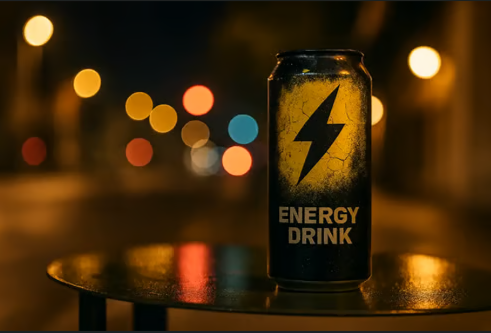
Energy Drinks and Teens
Written by Eunseo Whaong
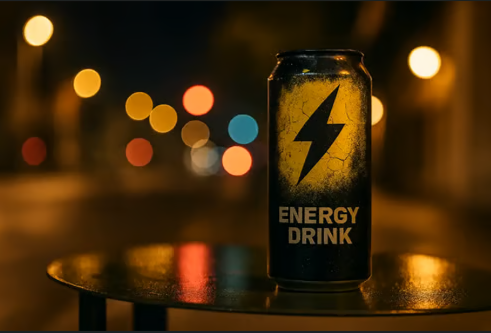
As the school year kicks in and early mornings return, a lot of kids and teens look for something to keep them awake through classes, homework, and after-school activities. Instead of getting more sleep or eating better, many turn to energy drinks without really understanding what’s in them.
According to recent research from the National Institutes of Health in the U.S. and the European Food Safety Authority, anywhere from 30% to over 70% of adolescents report drinking energy drinks somewhat regularly. Trendy branding, candy-like flavors, and easy access make these products feel harmless—especially when they’re promoted by influencers and athletes teens follow online. In fact, Logan Paul’s energy drink brand recently caught the FDA’s attention for its caffeine levels.
Doctors are increasingly warning parents that these drinks aren't just soda with flashy packaging—they can have real effects on the heart, brain, and sleep.
According to the American Academy of Pediatrics, teens aged 12 to 18 should stay under 100 mg of caffeine per day. That’s about the same as a small coffee—or even less than a single energy drink.
The problem? Many popular energy drinks contain 100 to 200 milligrams of caffeine per serving, and some cans are actually more than one serving. When you combine that with sugar, the effects can hit even harder.
Dr. Michael Garcia, a clinical nutrition specialist at UCLA Health, explains that caffeine acts like a stimulant—it boosts alertness and heart rate. Add sugar, and the body experiences a quick energy spike, followed by a crash. That can lead to:
Jitters and shaky hands
Racing heartbeat
Higher blood pressure
Trouble sleeping
Anxiety or irritability
For some teens, this becomes a cycle. The crash makes them feel even more tired, so they reach for another drink.
"Once they start relying on that quick rush, breaking away from it can be difficult,"
Dr. Garcia explains. Teens who consume these drinks often may even experience withdrawal symptoms like headaches, mood swings, or low energy when they stop.
The risks are even higher for adolescents who already deal with anxiety, depression, or sleep problems—caffeine can make their symptoms worse.
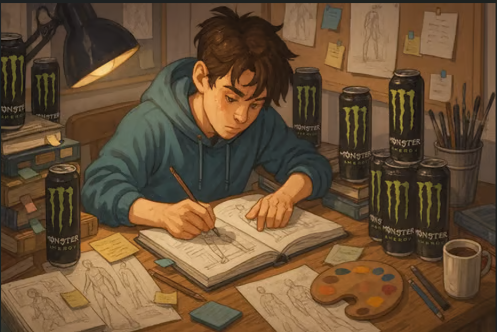
Why More Teens Are Turning to Energy Drinks
Written by Eunseo Whaong
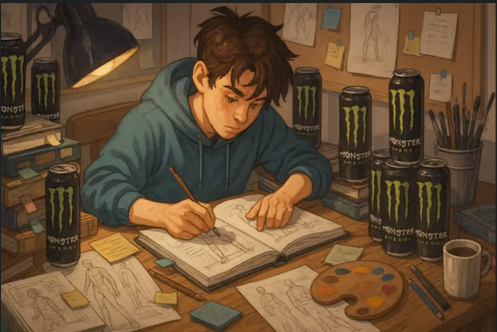
When school starts and sleep schedules fall apart, a lot of teens look for a fast energy boost. Instead of coffee or food, more and more are turning to energy drinks — and the numbers back it up. Studies in the U.S. and Europe show that somewhere between 30% to 70% of teens drink them regularly. Influencers, sports sponsorships, and candy-like flavors make these drinks seem harmless, even though they aren't.
So how much caffeine is safe?
Experts say teens aged 12–18 should stay under 100 mg of caffeine a day. But a single energy drink often has 100–200 mg — and some cans are more than one serving without looking like it. Caffeine hits harder when mixed with sugar, which causes a rush and then a crash. Teens can end up with headaches, anxiety, shaky hands, or insomnia — and some even start depending on that “boost” to function.
What’s inside those cans?
Energy drinks typically mix caffeine with sugar, taurine, vitamins, and herbs like ginseng or ginkgo. Most of these ingredients aren't harmful alone, but when combined with high caffeine and sugar, they can overwhelm a teen’s body. Added sugars also cause blood sugar spikes and crashes, giving energy with no real nutrition. Artificial sweeteners like aspartame and sucralose aren't fully understood yet, and doctors warn against relying on them.
Are there safer options?
If someone really wants caffeine, plain tea or black coffee without sugar is a better choice since it skips the additives found in energy drinks. But honestly, the real solution is sleep, real meals, and hydration — not a can.
What if someone is already hooked?
Teens who drink these regularly might feel withdrawal if they quit — headaches, mood dips, sleep issues. Cutting back slowly works better than quitting overnight. Replacing one drink at a time with water, snacks, or even regular tea can help. Talking honestly about why someone drinks them (stress, tiredness, focus) matters more than lecturing.
At the end of the day, energy drinks aren’t always treated like a big deal — but the side effects are real, and ER visits linked to caffeine are going up. Knowing what’s in these drinks and how they affect the body is the first step to not getting caught in the cycle.
High Caffeine Intake Turns Deadly for Teen
Written by Eunseo Whaong
A tragic story from South Carolina has sparked new debates about how safe caffeine really is for young people.
Davis Allen Cripe, a 16-year-old high school student, collapsed in class after drinking three different caffeinated beverages in less than two hours: a McDonald’s latte, a large Mountain Dew, and an energy drink. He died shortly after, and doctors ruled the cause as a “caffeine-induced cardiac event.”
Not an Overdose—But Still Deadly
Coroner Gary Watts explained that the total amount of caffeine was not technically an “overdose.” Instead, the problem was the speed and combination of drinks taken over a short time.
Davis had no known heart problems, and his autopsy showed no hidden conditions. Watts emphasized that this was a rare but very real reaction, saying people should treat caffeine with the same caution as alcohol or cigarettes.
How Much Caffeine Is Considered Safe?
A McDonald’s latte: about 142mg of caffeine
A 20-ounce Mountain Dew: about 90mg
A 16-ounce energy drink: up to 240mg
Together, Davis consumed nearly 500mg in under two hours. For adults, both the FDA and European Food Safety Authority suggest 400mg per day is generally safe. But for teens, there’s no clear safe limit—and the American Academy of Pediatrics strongly discourages caffeine use in kids and teens.
Other Cases Highlighting the Risks
In 2011, a 14-year-old girl named Anais Fournier, who had a heart condition, died after drinking two cans of Monster energy drink (about 480mg of caffeine).
In 2015, two students in the UK accidentally received the caffeine equivalent of 300 cups of coffee in a lab experiment and nearly died.
These cases remain rare, but they show how dangerous caffeine can be when conditions line up the wrong way.
Why Caffeine Can Be Risky
Caffeine is a stimulant that affects the heart and nervous system. In sensitive people or those with hidden conditions, it can trigger irregular heartbeats, dizziness, nausea, or even seizures. The World Health Organization recognizes caffeine dependence as a disorder, and health agencies warn that high doses can cause high blood pressure, irritability, and sleep problems.
Takeaway for Teens
For most people, caffeine just means a little boost of energy. But tragedies like Davis’s remind us that more is not better. Energy drinks, in particular, pack high doses that the teen body may not handle well. Experts agree: moderation is key, and young people should be especially cautious.
More Teens Are Ending Up in the ER from Caffeine
Written by Eunseo Whaong
Current Situation
For a lot of teens, mornings start with more than just breakfast — things like iced coffee, energy drinks, and sports beverages are becoming part of their daily routine. But doctors are warning that this habit is starting to send more kids to the hospital.
A new study from Epic Research found that ER visits linked to caffeine have more than doubled for kids ages 11 to 14 between 2017 and 2023. Older teens also saw a major increase over the same period.
Dr. Alok Patel from Stanford Children's Health says the problem isn’t new — but it’s getting worse.
"Even with all the warnings about side effects, kids and teens are still consuming caffeinated beverages,"
he explains.
The data also shows that boys are visiting the ER more often than girls when it comes to caffeine-related issues.
So how much is too much?
The American Academy of Pediatrics recommends that teens stay under 100 milligrams of caffeine a day — about the same as a small cup of coffee.
But many drinks on store shelves easily exceed that.
"Most people don’t realize that a single can of some energy drinks can have 200 to 300 milligrams of caffeine,"
says Dr. Patel. "And any kid can walk into a store and buy one."
With no age restrictions and flashy marketing, doctors say the trend could keep rising unless people start paying attention to what’s actually inside those cans.
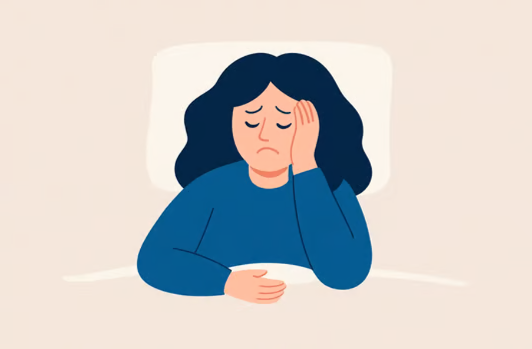
Energy Drinks Linked to Teen Death
Written by Eunseo Whaong
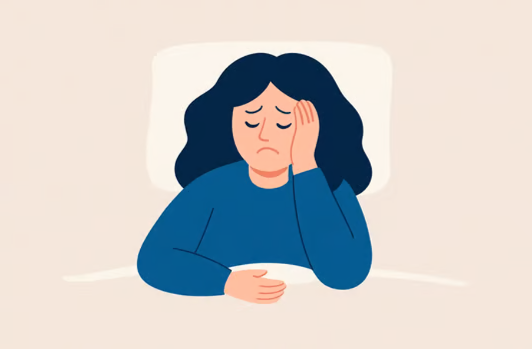
When 16-year-old Davis Cripe left for school in South Carolina, no one imagined it would be the last time his family saw him alive.
His mother, Heidi, said the loss still feels unreal.
"We told him we loved him before he left that morning. We never got the chance to say it again while he was alive."
According to witnesses, Davis consumed three caffeinated drinks—a Mountain Dew, a coffee, and an energy drink—within just 40 minutes. Shortly after, he collapsed at school.
Richland County Coroner Gary Watts explained that the rapid intake triggered a fatal heart rhythm issue.
“It wasn’t the total amount of caffeine alone,” he said. “It was how quickly he consumed it that led to the cardiac event.”
Why Teens Don’t See It as Dangerous
Davis’s parents say many young people treat energy drinks like regular soda and don’t realize the risks. After their son’s death, they began speaking out to prevent similar tragedies.
A South Carolina lawmaker, Leon Howard, has proposed a bill to ban the sale of energy drinks to anyone under 18.
"We want to regulate energy drinks the same way we do alcohol,"
he said.
The Cripe family supports the bill and believes such a restriction could have saved their son.
Davis’s father, Sean Cripe, said losing a child to something completely legal makes it even harder to accept.
"As parents, our job is to protect our kids and see them grow up. Knowing something this common took his life—it’s tough to live with."
How Much Caffeine Is Too Much?
The U.S. Food and Drug Administration recommends that adults consume no more than 400 milligrams of caffeine per day—about four or five cups of coffee.
But energy drinks can pack a surprising amount:
• Some cans hold 100–300 mg each
• Teens often stack them with soda or coffee without realizing the total
Ann Slattery from the Regional Poison Control Center in Alabama says there have been teen cases requiring emergency care after high caffeine intake. She recommends:
No caffeine at all for children under 12
Teens should avoid energy drinks completely or severely limit consumption
She also noted that even two sodas or a large iced tea can add up to about 100 mg of caffeine.
A Preventable Risk
While most people don’t think twice about coffee or energy drinks, Davis’s story shows how fast caffeine can become dangerous—especially when consumed quickly or in combination.
His family hopes that more awareness, better education, and responsible regulations will help save other teens from similar tragedies.
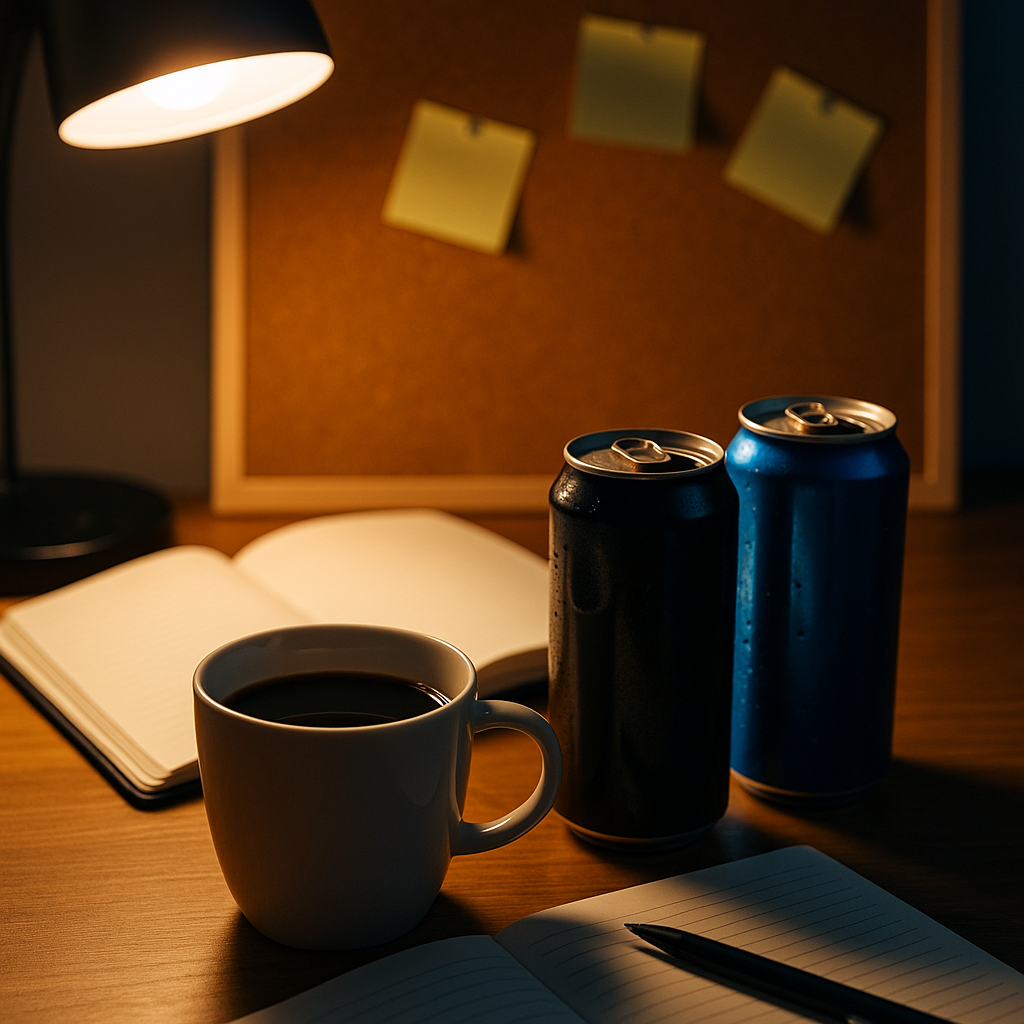
Teens and Caffeine: The Hidden Crisis
Written by Eunseo Whaong
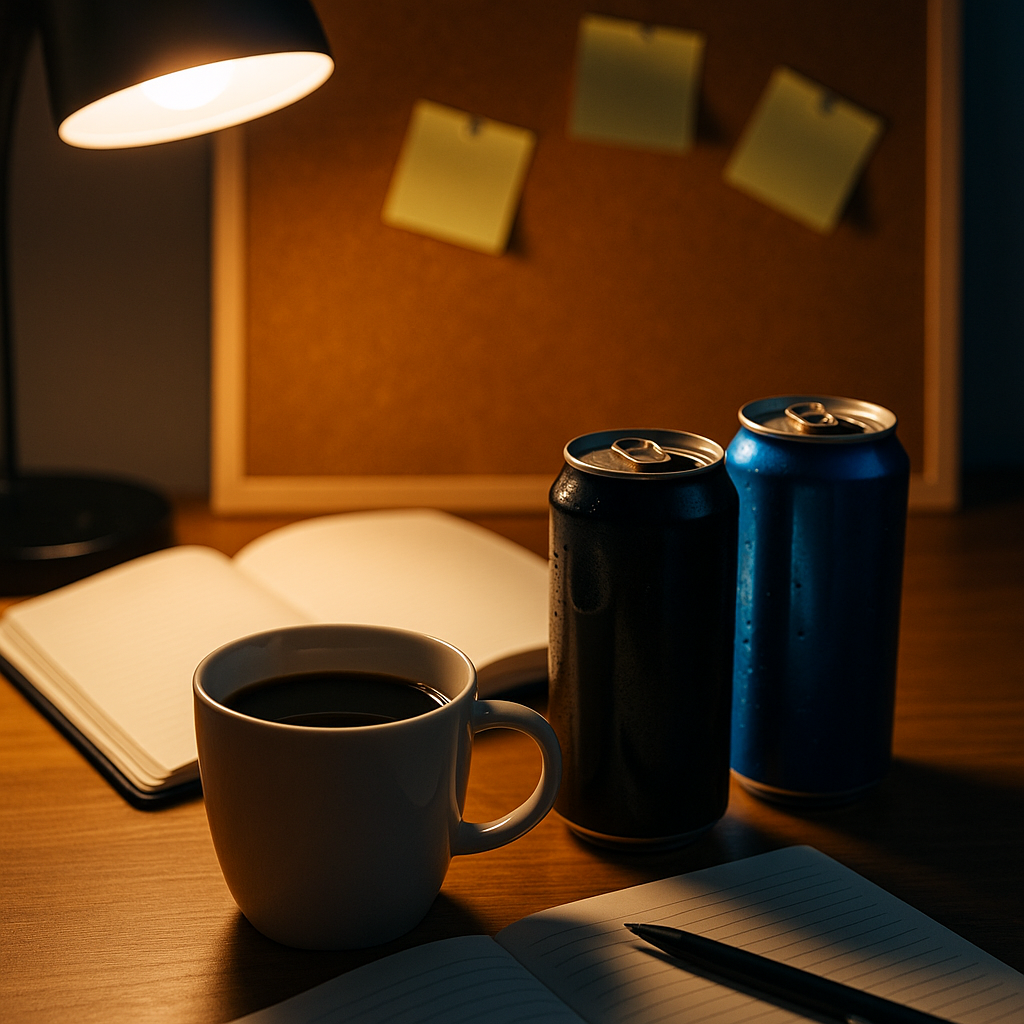
Current Situation
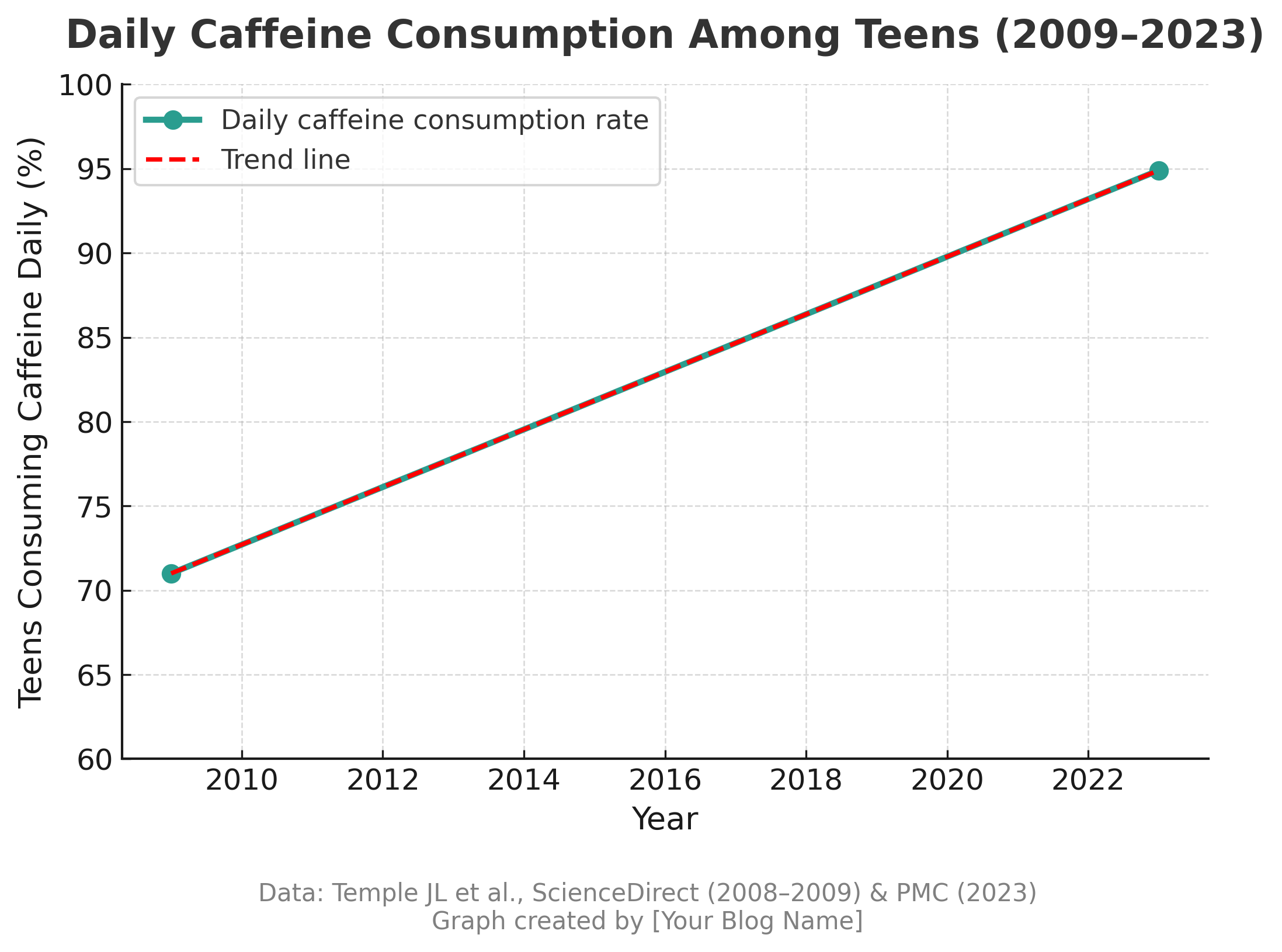
In recent years, caffeine consumption among teenagers has been steadily increasing.
From morning coffee on the way to school, to after-school energy drinks, to late-night “study boosters” during exam season — caffeine has become deeply embedded in teen life.
According to the CDC (Centers for Disease Control and Prevention), about 70% of high school students consume caffeinated beverages at least once a week, with many exceeding the daily recommended limit.
This is not just a matter of taste preference — it’s a growing public health concern.
Why Are Teens Consuming So Much?
Academic Pressure – Many teens turn to caffeine to fight fatigue from exams and assignments.
Marketing Influence – Bright packaging and slogans like “boost your focus” are aimed directly at young consumers.
Social Culture – Café visits with friends have become a social activity.
Sleep Deprivation – Late-night phone use → less sleep → greater dependence on caffeine the next day.
Health and Social Impacts
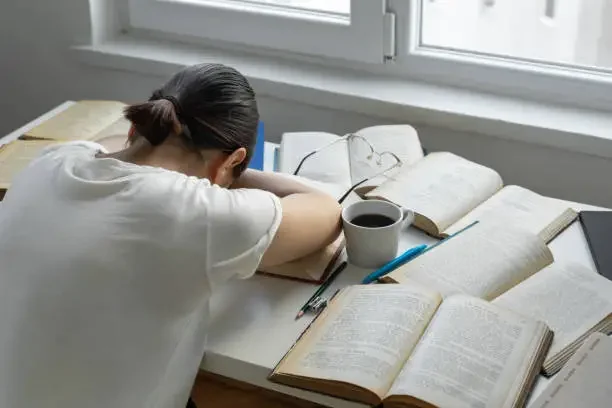
Physical Effects: Irregular heartbeat, high blood pressure, stomach issues, dehydration
Mental Effects: Anxiety, decreased concentration, sleep disturbances
Social Effects: Accumulated fatigue → lower academic performance → strained relationships
Since teenagers metabolize caffeine more slowly than adults, the same amount can have stronger side effects.
Caffeine Monitoring and Awareness
Some schools and health agencies are piloting “Caffeine Monitoring Apps” that:
Track daily intake
Send alerts when limits are exceeded
Provide caffeine content information for various drinks
Additionally, policies like vending machine restrictions, caffeine education campaigns, and stronger labeling requirements are being discussed.
What Teens, Parents, and Society Can Do
Individuals: Track daily intake (recommended max for teens: ~100mg), choose low- or no-caffeine options
Families & Schools: Monitor habits together, offer caffeine-free alternatives
Society & Policy: Restrict youth-targeted caffeine advertising, limit sales, strengthen labeling rules
Conclusion
Teen caffeine consumption is not just a personal choice — it’s a public health issue.
What’s needed now is not resignation, but the habit of self-awareness and moderation.
How much caffeine do you consume in a day? Share your experiences and thoughts in the comments below!
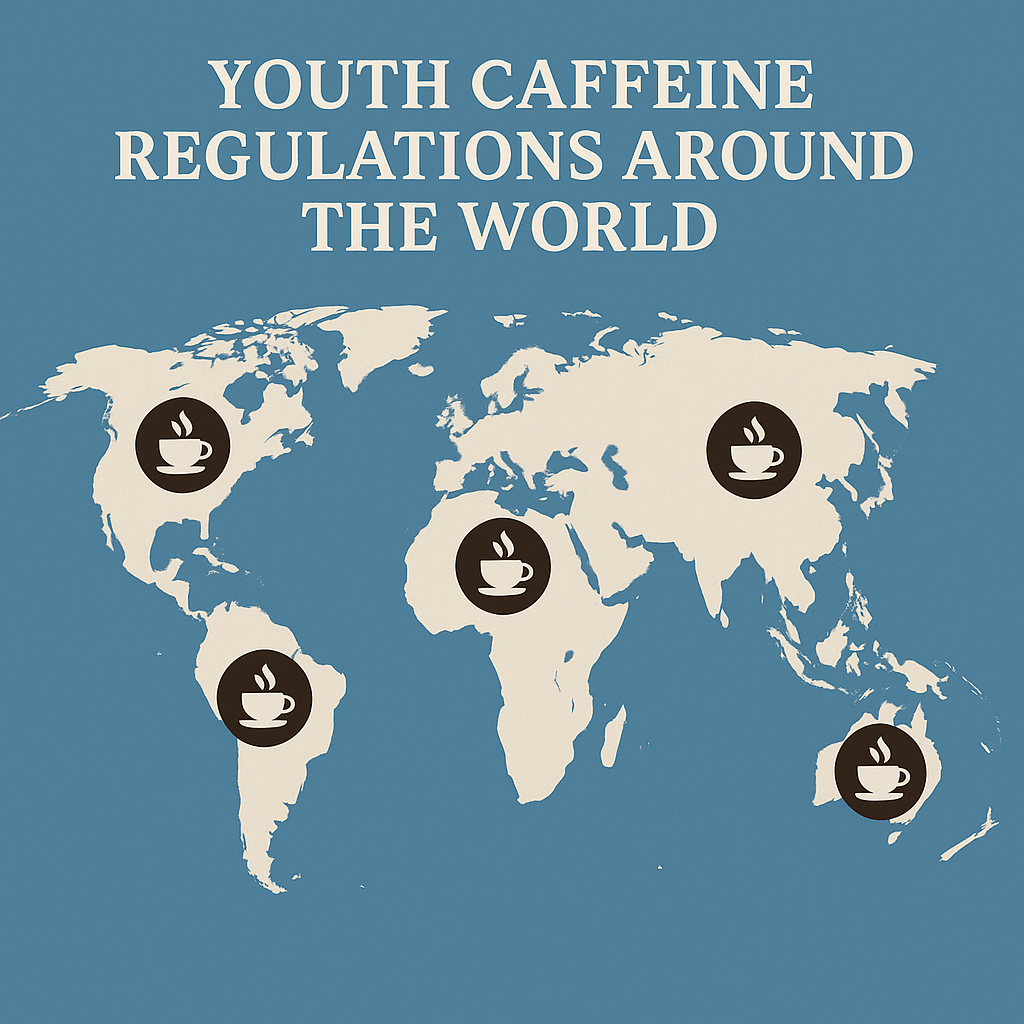
Youth Caffeine Regulations Around the World
Written by Eunseo Whaong
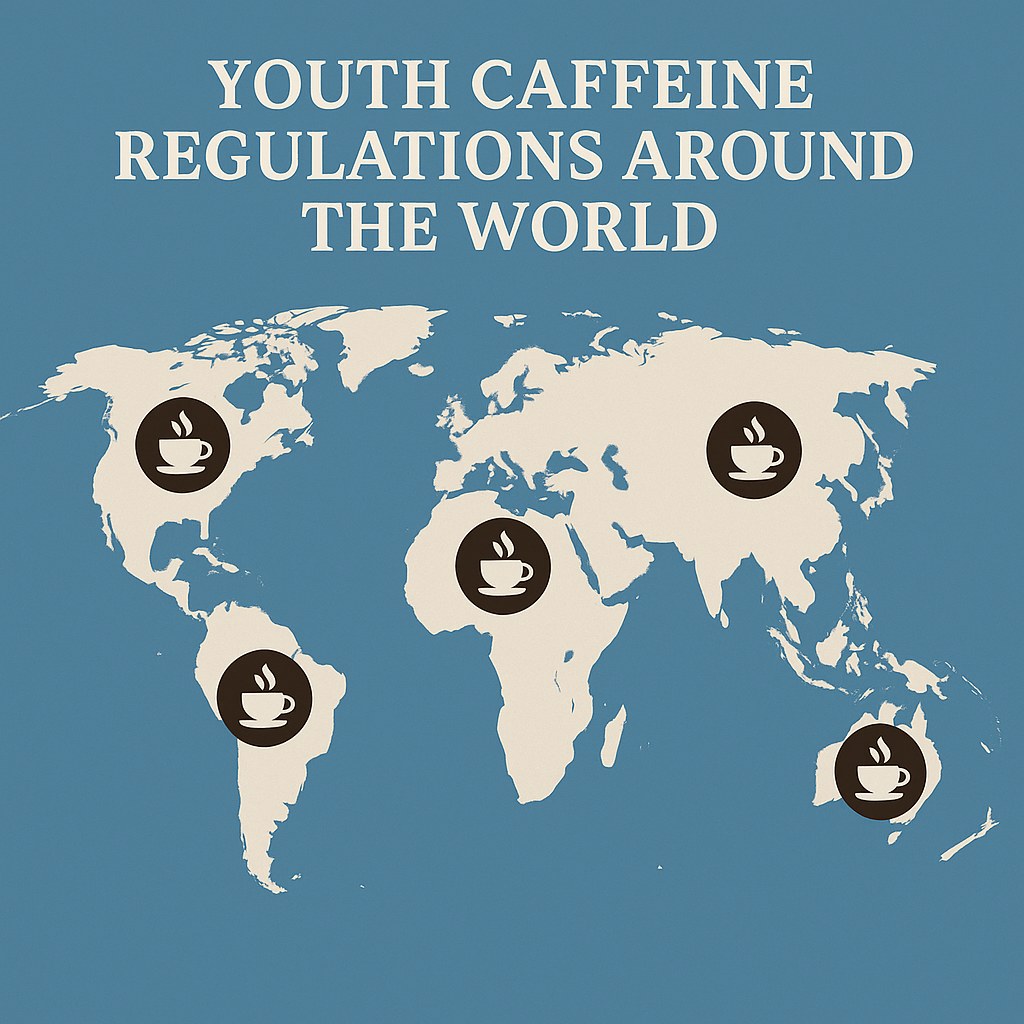
Why Regulate Teen Caffeine Consumption?
Teenagers have lower body weight and a slower caffeine metabolism compared to adults, which increases the risk of side effects.
These can include heart palpitations, anxiety, sleep disturbances, and reduced concentration.
For this reason, some countries have implemented policies such as age-based sales restrictions, mandatory warning labels, and advertising regulations.
Country-by-Country Overview
🇰🇷 South Korea
No legal minimum age for caffeine sales
Ban on high-caffeine beverage sales in primary, middle, and high school stores
Warning labels required for beverages containing more than 0.15% caffeine
🇺🇸 United States
No federal age restriction on caffeine sales
Some states/schools restrict energy drink sales
FDA recommends: Maximum 100mg/day for ages 12–18
🇨🇦 Canada
Age-specific caffeine intake guidelines exist
Some provinces (e.g., British Columbia) ban sales in schools
Energy drinks must display "Not recommended for children"
🇬🇧 United Kingdom
Ban on energy drink sales to under-16s (major retailers)
Voluntary regulation but widely adopted nationwide
“High caffeine” warning label required
🇯🇵 Japan
No legal sales restrictions
Caffeine content labeling required for energy drinks and coffee products
Culturally more lenient toward teen caffeine intake
🇦🇺 Australia & 🇳🇿 New Zealand
Caffeine limit for energy drinks: 320mg/L
“High caffeine” label required
Recommended teen intake: ≤3mg per kg of body weight
At-a-Glance Comparison
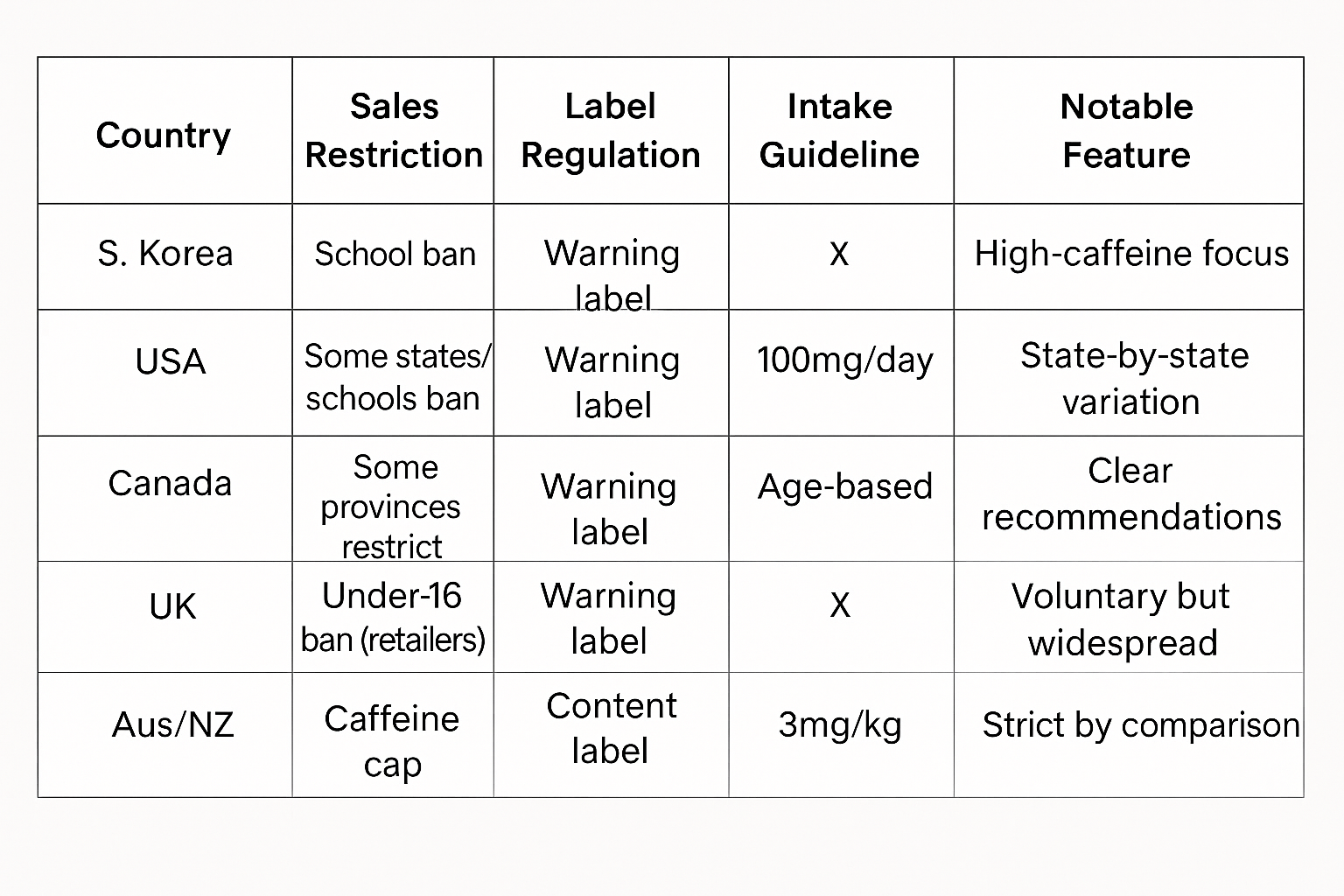
What’s Behind These Numbers?
Looking at this chart, you can see how each country takes a different approach to youth caffeine consumption. In South Korea, you won’t find high-caffeine drinks in school stores, while the UK’s big retailers won’t sell energy drinks to anyone under 16. The U.S. leaves it mostly up to each state, so rules can vary a lot. Canada stands out with clear age-based recommendations, and Australia/New Zealand keep things strict with an official caffeine cap per drink. On the other hand, Japan is more relaxed—there’s no sales restriction, but labels must show caffeine content.
Conclusion
Global teen caffeine regulations range from strict legal enforcement to voluntary guidelines.
However, a common trend is increasing awareness of the risks and expanding measures such as school sales bans and warning labels in major retail channels.
What do you think?
Should teen caffeine sales be legally restricted, or should it be left to personal choice? Share your thoughts in the comments!

Caffeine and Teen Sleep: The Hidden Connection
Written by Euseo Whaong

Why Is Sleep So Important for Teens?
Teenagers need an average of 8–10 hours of sleep per night, yet most get far less.
While schoolwork, assignments, and late-night phone use play a role, caffeine consumption is another major contributor to poor sleep among adolescents.
How Caffeine Affects Sleep
Caffeine blocks the action of adenosine, a neurotransmitter that signals your brain to feel sleepy.
As a result:
Longer time to fall asleep (extended sleep latency)
Reduced total sleep time
Lower proportion of deep sleep (REM/NREM)
Increased fatigue and reduced focus the following day
Why Timing Matters
The half-life of caffeine (the time it takes for your body to eliminate half of it) is about 5–6 hours, but for teens, it can be even slower.
For example:
A coffee consumed at 4 p.m. can still have over half of its caffeine active in your system by 10 p.m.
Drinking caffeinated beverages in the late afternoon or evening can make it harder to fall asleep, even if you feel tired.
What Research Shows
U.S. survey of 1,000 teens: Those who consumed caffeine after 6 p.m. slept over 1 hour less on average.
Korean Youth Health Behavior Survey: Teens with high caffeine intake during the week slept fewer hours and showed a strong tendency to “repay” sleep debt on weekends.
Tips for Better Sleep While Managing Caffeine Intake
Avoid caffeine after 2 p.m.
Swap your afternoon coffee for water or a short walk.
Even during exam season, watch your caffeine amount and timing.
Try caffeine-free or low-caffeine alternatives like herbal teas or barley tea.
Conclusion
Caffeine can help boost alertness in the short term, but if it disrupts teen sleep patterns, it can harm learning, focus, and overall health.
The key is managing when and how much you consume.
What’s your personal caffeine cut-off time? Share your thoughts in the comments!
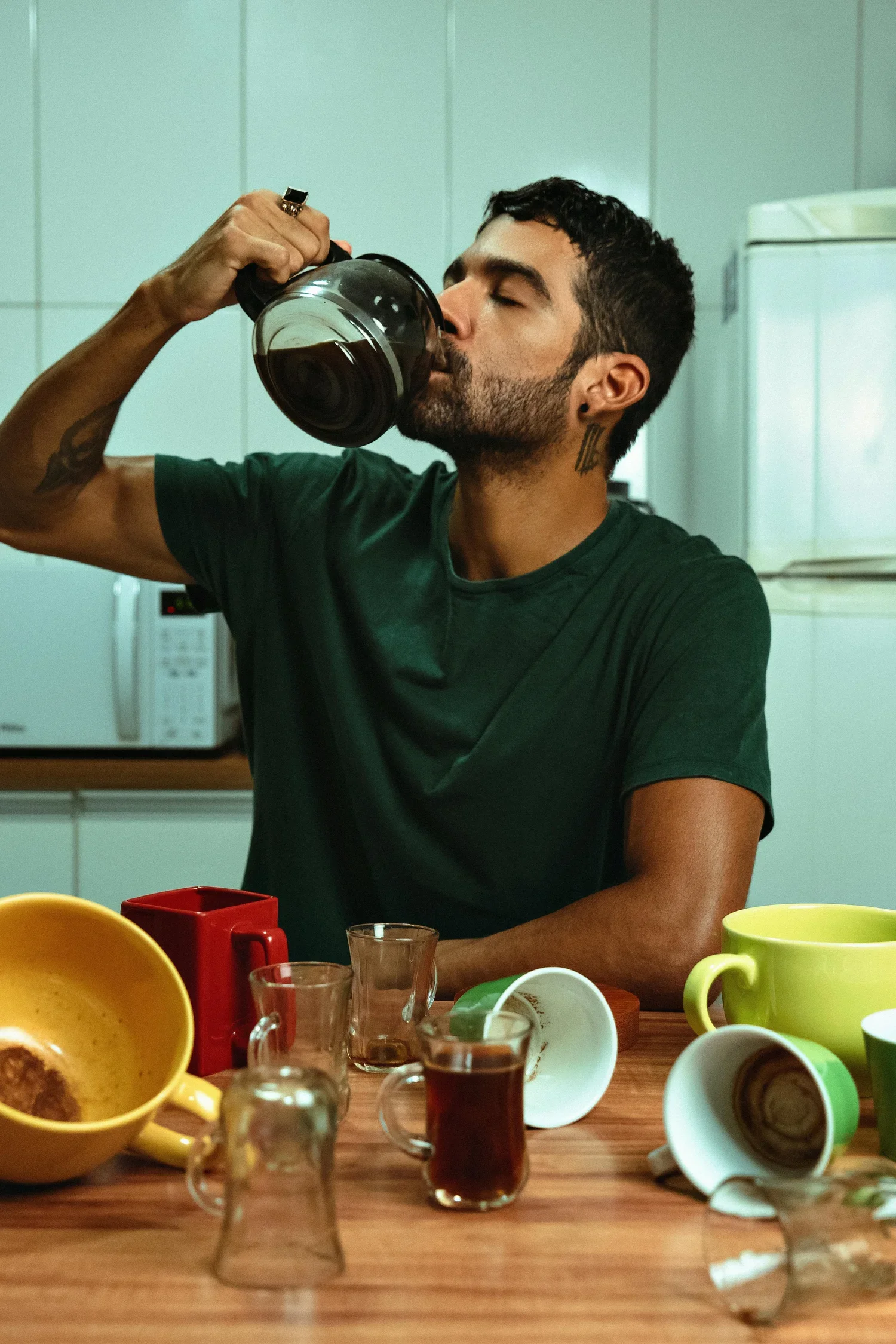
Caffeine Addiction Self-Check: Are You Consuming Too Much?
Written by Eunseo Whaong

Why This Matters
Caffeine is the most widely consumed psychoactive substance in the world. While moderate intake can enhance alertness and mood, excessive and regular use can lead to dependence—commonly referred to as “caffeine addiction.”
For adolescents and young adults, the risk is even greater due to lower body mass, developing nervous systems, and the increasing popularity of energy drinks.
This checklist is designed based on criteria adapted from the DSM-5 (Diagnostic and Statistical Manual of Mental Disorders) and peer-reviewed research, helping you identify whether your caffeine consumption patterns may be problematic.
Caffeine Addiction Self-Assessment Checklist
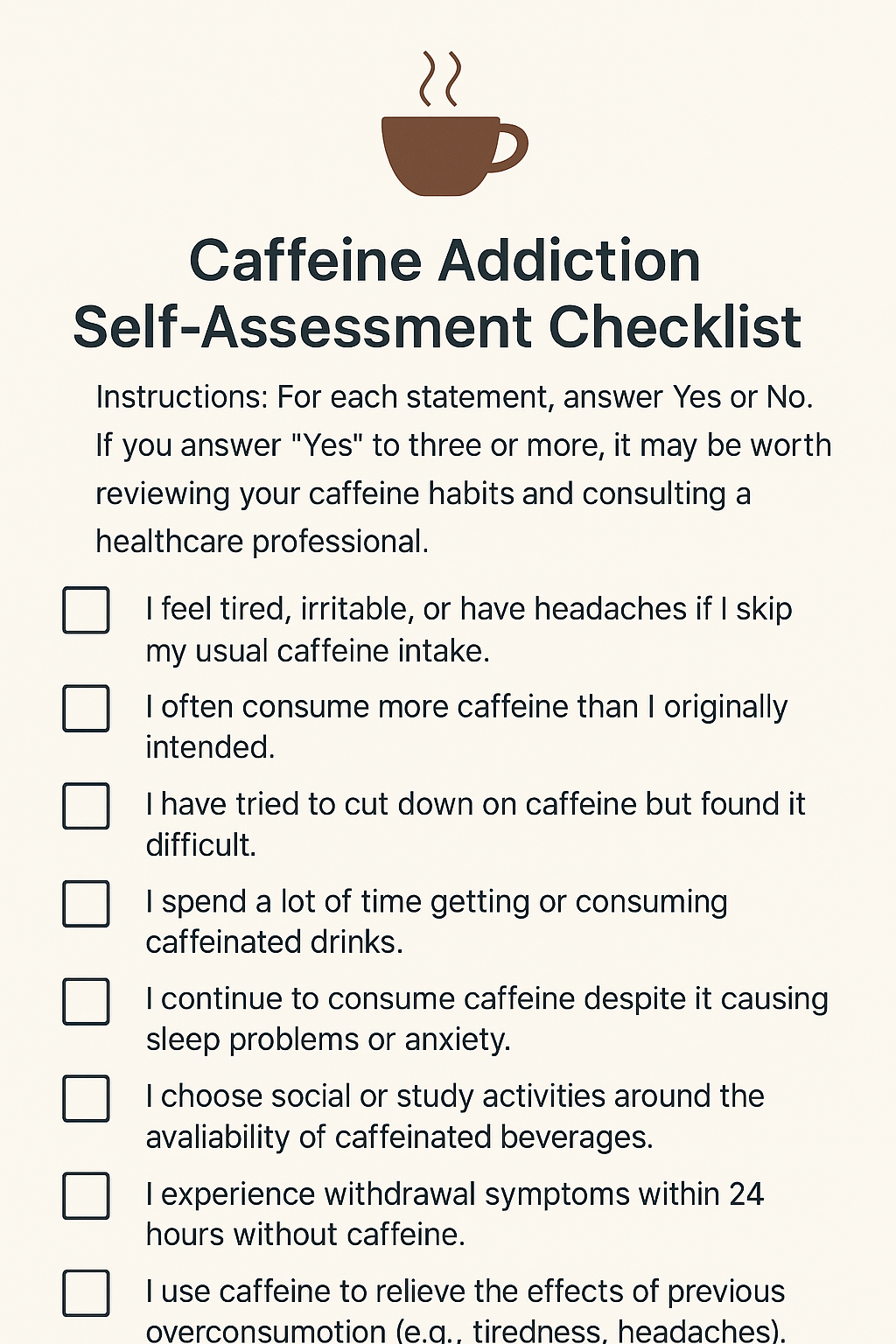
Interpreting Your Score
0–2 Yes answers: Low likelihood of dependence. Maintain moderate consumption.
3–5 Yes answers: Possible caffeine dependence—consider reducing intake gradually.
6–8 Yes answers: Strong likelihood of dependence. Seek professional advice and create a reduction plan.
How to Cut Back Safely
Step Down Gradually: Reduce intake by 10–20% per week to minimize withdrawal symptoms.
Hydrate: Drink water throughout the day to replace caffeinated beverages.
Substitute: Try herbal teas, decaf coffee, or naturally caffeine-free alternatives.
Sleep Hygiene: Improve sleep quality to reduce reliance on caffeine for alertness.
Conclusion
Caffeine can be a useful stimulant, but dependence can subtly creep in. Self-awareness is the first step toward healthier habits.
Use this checklist periodically to track changes in your relationship with caffeine, and remember—balance is key.
References
American Psychiatric Association. Diagnostic and Statistical Manual of Mental Disorders, Fifth Edition (DSM-5). Washington, DC: American Psychiatric Association; 2013.
Juliano, L. M., & Griffiths, R. R. (2004). A critical review of caffeine withdrawal: empirical validation of symptoms and signs, incidence, severity, and associated features. Psychopharmacology, 176(1), 1–29. https://doi.org/10.1007/s00213-004-2000-x
Temple, J. L., Bernard, C., Lipshultz, S. E., Czachor, J. D., Westphal, J. A., & Mestre, M. A. (2017). The Safety of Ingested Caffeine: A Comprehensive Review. Frontiers in Psychiatry, 8, 80. https://doi.org/10.3389/fpsyt.2017.00080
World Health Organization (WHO). Caffeine and health in adolescents. WHO Technical Report, 2021. https://www.who.int/publications

Hidden Ingredients in Energy Drinks: What Teens Should Know
Written by Eunseo Whaong

1. Introduction – More Than Just Caffeine
When people think about energy drinks, caffeine is usually the first ingredient that comes to mind. While caffeine is a major component, many of these beverages also contain other stimulants, additives, and high sugar content that can have their own health impacts. For teenagers, these extra ingredients can be just as concerning—if not more—than caffeine itself.
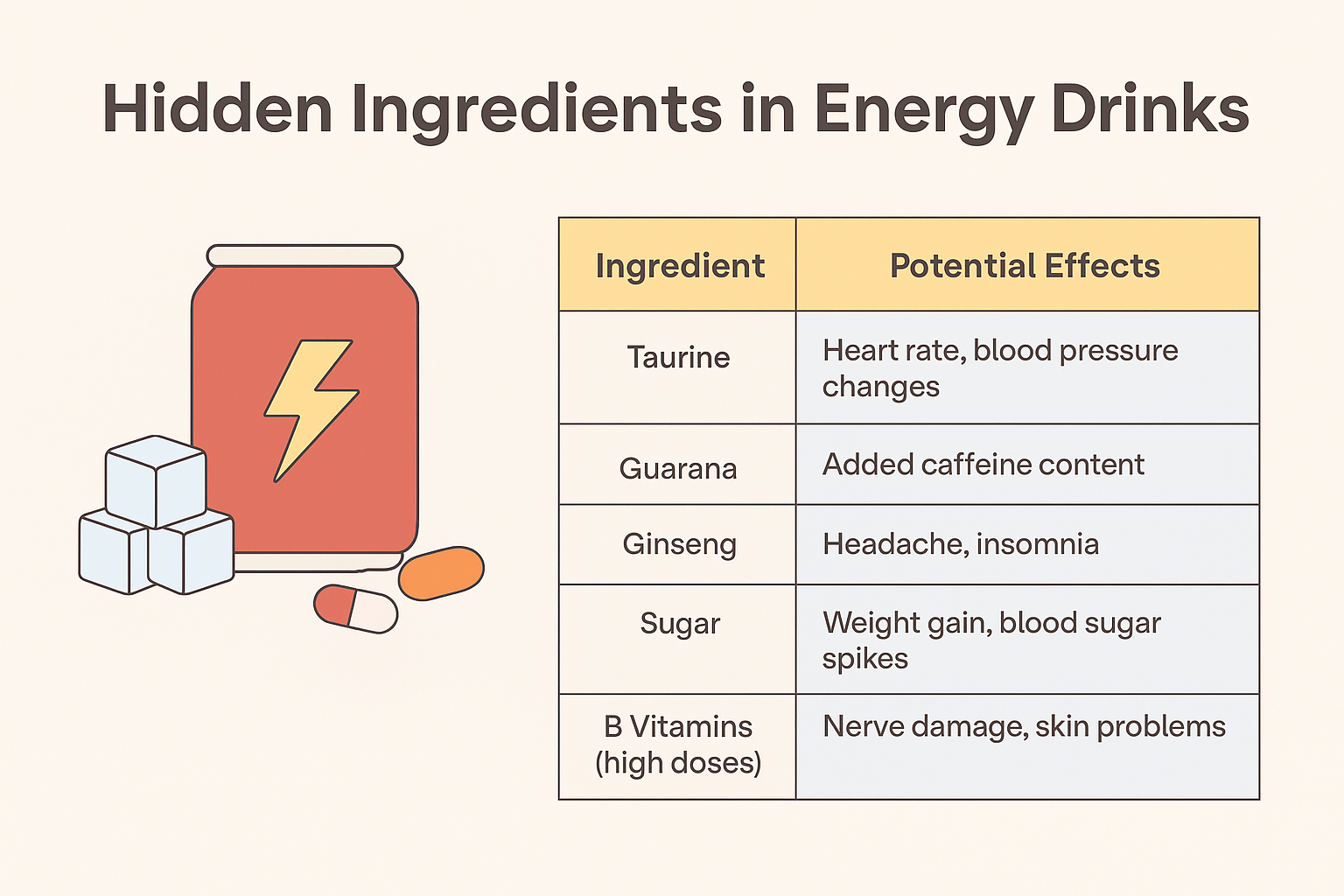
2. Common Hidden Ingredients and Their Effects
a. Taurine
A naturally occurring amino acid often marketed as enhancing mental performance. While safe in small amounts, research on long-term high-dose use—especially in combination with caffeine—is still limited. Excessive intake may cause changes in heart rate and blood pressure.
b. Guarana
A plant extract that contains caffeine, sometimes even more potent than coffee beans. Because it is listed separately on labels, consumers may underestimate their total caffeine intake.
c. Ginseng
An herbal supplement added for “energy” or “focus.” While it may offer mild benefits, it can also interact with certain medications and increase heart rate when combined with caffeine.
d. Sugar and Artificial Sweeteners
Some energy drinks contain more sugar than a can of soda, leading to spikes and crashes in blood sugar, and contributing to weight gain, tooth decay, and risk of type 2 diabetes. Sugar-free versions often replace sugar with artificial sweeteners, which can affect gut health and cravings.
e. B Vitamins in Excess
While B vitamins are essential for energy metabolism, energy drinks often include extremely high doses that exceed daily requirements by several hundred percent. Over-supplementation can lead to side effects like nausea, nerve issues, or skin reactions.
3. Why These Combinations Can Be Risky for Teens
Energy drinks often combine multiple stimulants—caffeine, guarana, taurine—creating a “stacking” effect. This can lead to elevated heart rate, sleep disturbances, anxiety, and, in extreme cases, heart rhythm problems. For developing bodies and brains, the effects can be more pronounced.
4. How to Spot Hidden Ingredients
Read the full ingredients list, not just the caffeine content.
Be aware of botanical extracts like guarana or yerba mate, which contain additional caffeine.
Check sugar content and serving size—many cans contain more than one serving.
Watch for “energy blends” or “proprietary blends” where exact amounts are undisclosed.
5. Healthy Alternatives
Water infused with fruit slices
Herbal teas (naturally caffeine-free)
Low-sugar electrolyte drinks for sports recovery
Smoothies made with whole fruits and yogurt
6. Conclusion
Energy drinks are more than just caffeine in a can—they are a cocktail of stimulants, sweeteners, and supplements. Understanding what’s inside can help teens make informed choices and protect their health in the long run.
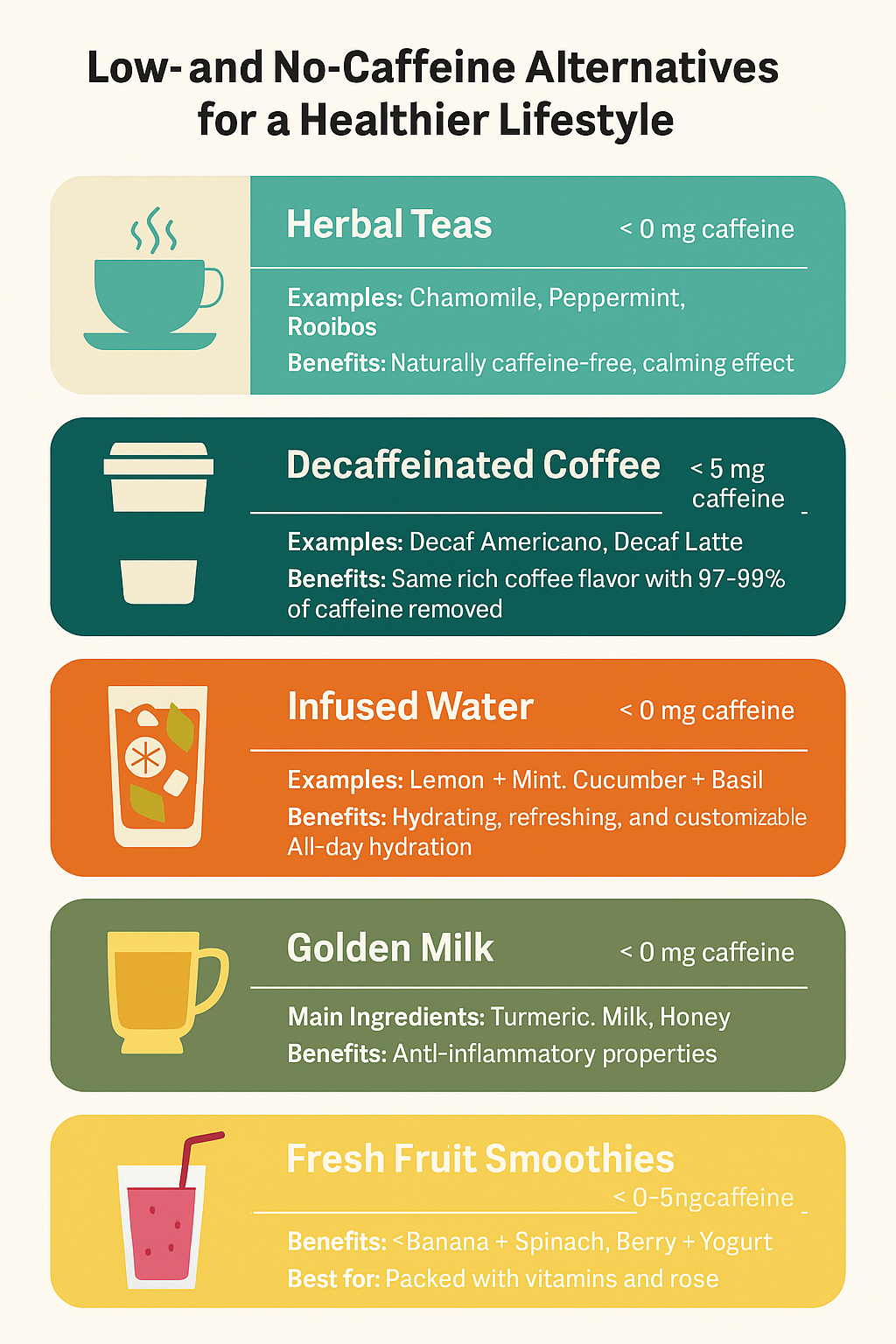
Low- and No-Caffeine Alternatives for a Healthier Lifestyle
Written by Eunseo Whaong
Why Choose Low- or No-Caffeine Drinks?
While caffeine in moderation can boost alertness, excessive intake can lead to sleep disturbances, increased heart rate, anxiety, and even dependency. For teens, whose bodies are still developing, limiting caffeine is especially important. Low- or no-caffeine beverages allow you to stay refreshed without the potential drawbacks of high-caffeine products.
1. Herbal Teas (0 mg caffeine)
Examples: Chamomile, Peppermint, Rooibos
Benefits: Naturally caffeine-free, calming effect, supports digestion and relaxation.
Best For: Evening wind-down or stress relief.
2. Decaffeinated Coffee (<5 mg caffeine)
Examples: Decaf Americano, Decaf Latte
Benefits: Same rich coffee flavor with 97–99% of caffeine removed.
Best For: Coffee lovers who want to enjoy the taste without the jittery effect.
3. Infused Water (0 mg caffeine)
Examples: Lemon + Mint, Cucumber + Basil
Benefits: Hydrating, refreshing, and customizable with fruits or herbs.
Best For: All-day hydration and a light, crisp taste.
4. Golden Milk (0 mg caffeine)
Main Ingredients: Turmeric, Milk (or plant-based milk), Honey
Benefits: Anti-inflammatory properties, immune system support, naturally warming.
Best For: Cold weather comfort drink.
5. Fresh Fruit Smoothies (0–5 mg caffeine)
Examples: Banana + Spinach, Berry + Yogurt
Benefits: Packed with vitamins, minerals, and fiber.
Best For: Breakfast or post-workout replenishment.
Tips for Transitioning Away from High-Caffeine Drinks
Gradual Reduction: Replace one caffeinated drink per day with a low-caffeine alternative.
Hydration First: Drink water before reaching for coffee or energy drinks.
Mind the Sugar: Low-caffeine doesn’t always mean healthy—check sugar content.
Conclusion
Switching to low- or no-caffeine beverages doesn’t mean giving up on taste or variety. With the right choices, you can enjoy flavorful, refreshing drinks that support your health and energy levels naturally.