Energy Drinks and Teens
Written by Eunseo Whaong
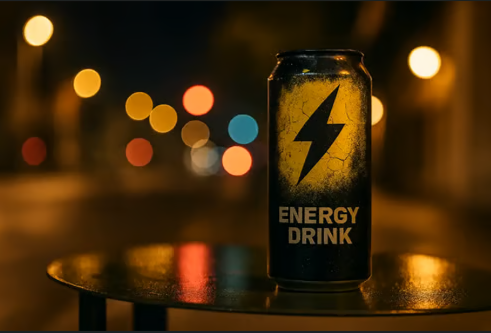
As the school year kicks in and early mornings return, a lot of kids and teens look for something to keep them awake through classes, homework, and after-school activities. Instead of getting more sleep or eating better, many turn to energy drinks without really understanding what’s in them.
According to recent research from the National Institutes of Health in the U.S. and the European Food Safety Authority, anywhere from 30% to over 70% of adolescents report drinking energy drinks somewhat regularly. Trendy branding, candy-like flavors, and easy access make these products feel harmless—especially when they’re promoted by influencers and athletes teens follow online. In fact, Logan Paul’s energy drink brand recently caught the FDA’s attention for its caffeine levels.
Doctors are increasingly warning parents that these drinks aren't just soda with flashy packaging—they can have real effects on the heart, brain, and sleep.
According to the American Academy of Pediatrics, teens aged 12 to 18 should stay under 100 mg of caffeine per day. That’s about the same as a small coffee—or even less than a single energy drink.
The problem? Many popular energy drinks contain 100 to 200 milligrams of caffeine per serving, and some cans are actually more than one serving. When you combine that with sugar, the effects can hit even harder.
Dr. Michael Garcia, a clinical nutrition specialist at UCLA Health, explains that caffeine acts like a stimulant—it boosts alertness and heart rate. Add sugar, and the body experiences a quick energy spike, followed by a crash. That can lead to:
Jitters and shaky hands
Racing heartbeat
Higher blood pressure
Trouble sleeping
Anxiety or irritability
For some teens, this becomes a cycle. The crash makes them feel even more tired, so they reach for another drink.
"Once they start relying on that quick rush, breaking away from it can be difficult,"
Dr. Garcia explains. Teens who consume these drinks often may even experience withdrawal symptoms like headaches, mood swings, or low energy when they stop.
The risks are even higher for adolescents who already deal with anxiety, depression, or sleep problems—caffeine can make their symptoms worse.
