Teen's Death Sparks Concern Over Hidden Risks of C
Written by Eunseo Whaong
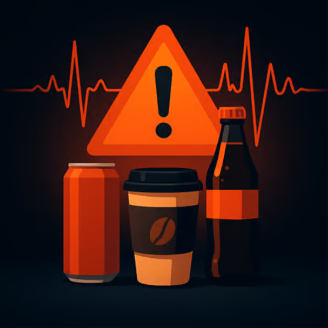
A recent incident involving a 16-year-old student has sparked new conversations about how caffeine affects young people. Davis Allen Cripe, a high schooler from South Carolina, died after experiencing what medical officials called a “caffeine-induced cardiac event.” What shocked many people is that he didn’t consume an extreme amount—just a large soda, a latte, and an energy drink within a short period of time.
According to Richland County Coroner Dr. Gary Watts, the total amount of caffeine wasn’t high enough to count as poisoning or overdose. Instead, the sudden intake triggered a severe reaction in his heart. Cripe had no known heart conditions, no structural heart issues, and no family history of abnormal rhythms, which made his death even more unexpected.
Medical experts explained that caffeine can be dangerous depending on how quickly it’s consumed and on a person’s individual health. For most healthy adults, the Mayo Clinic says up to 400 milligrams of caffeine per day is considered safe. That’s roughly equal to four cups of brewed coffee, around ten cans of soda, or two small energy shots. However, what's considered safe for teens isn’t clearly defined, since testing caffeine on minors is restricted.
Back in 2011, the American Academy of Pediatrics already warned that children and teenagers should avoid energy drinks altogether because of the high caffeine content. They stated that caffeine can affect the developing brain and heart in ways scientists still don’t fully understand.
Researchers have also found that caffeine is absorbed very quickly into the body and reaches the brain in a short amount of time. That’s why people often feel more alert or energized soon after drinking it. While millions of people consume caffeine daily with no major issues, there have been a few rare but serious cases where it triggered heart problems or even death.
In reports from toxicologists, overdoses involving caffeine can lead to symptoms like restlessness, rapid heartbeat, heart palpitations, or in extreme cases, emergency hospitalization. Even without an underlying condition, caffeine can set off heart rhythm problems in certain individuals. Dr. Bruce Goldberger, a toxicologist from the University of Florida, explained that some people may have undiagnosed genetic conditions that make them more vulnerable—sometimes without ever knowing it.
Energy drinks, caffeine pills, and pure caffeine powder have raised even more red flags. In 2015, the U.S. Food and Drug Administration warned that just one teaspoon of pure caffeine contains about the same amount found in 28 cups of coffee. They also reported multiple deaths linked to powdered caffeine products.
That same year, poison control centers recorded thousands of cases of caffeine-related incidents. Most didn’t lead to death, but some caused serious medical complications, especially when large quantities were consumed in a short time.
Cripe’s death has become a tragic example of how something many people see as harmless can become dangerous under the wrong circumstances—not just for those with known health problems, but even for teenagers who appear completely healthy.
