Why More Teens Are Turning to Energy Drinks
Written by Eunseo Whaong
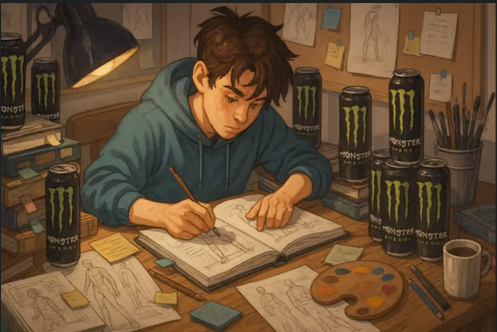
When school starts and sleep schedules fall apart, a lot of teens look for a fast energy boost. Instead of coffee or food, more and more are turning to energy drinks — and the numbers back it up. Studies in the U.S. and Europe show that somewhere between 30% to 70% of teens drink them regularly. Influencers, sports sponsorships, and candy-like flavors make these drinks seem harmless, even though they aren't.
So how much caffeine is safe?
Experts say teens aged 12–18 should stay under 100 mg of caffeine a day. But a single energy drink often has 100–200 mg — and some cans are more than one serving without looking like it. Caffeine hits harder when mixed with sugar, which causes a rush and then a crash. Teens can end up with headaches, anxiety, shaky hands, or insomnia — and some even start depending on that “boost” to function.
What’s inside those cans?
Energy drinks typically mix caffeine with sugar, taurine, vitamins, and herbs like ginseng or ginkgo. Most of these ingredients aren't harmful alone, but when combined with high caffeine and sugar, they can overwhelm a teen’s body. Added sugars also cause blood sugar spikes and crashes, giving energy with no real nutrition. Artificial sweeteners like aspartame and sucralose aren't fully understood yet, and doctors warn against relying on them.
Are there safer options?
If someone really wants caffeine, plain tea or black coffee without sugar is a better choice since it skips the additives found in energy drinks. But honestly, the real solution is sleep, real meals, and hydration — not a can.
What if someone is already hooked?
Teens who drink these regularly might feel withdrawal if they quit — headaches, mood dips, sleep issues. Cutting back slowly works better than quitting overnight. Replacing one drink at a time with water, snacks, or even regular tea can help. Talking honestly about why someone drinks them (stress, tiredness, focus) matters more than lecturing.
At the end of the day, energy drinks aren’t always treated like a big deal — but the side effects are real, and ER visits linked to caffeine are going up. Knowing what’s in these drinks and how they affect the body is the first step to not getting caught in the cycle.
