Energy Drinks Are Sending More Teens to the ER
Written by Eunseo Whaong
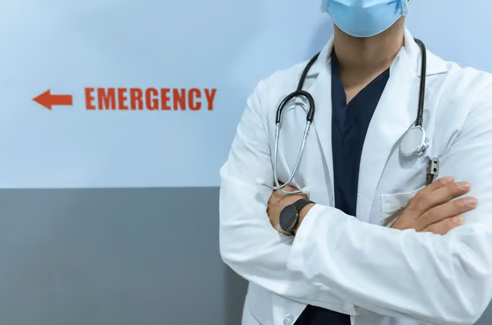
Energy Drinks Are Sending More Teens to the ER — Here's Why
Most people think caffeine is harmless because it’s in sodas, coffee and snacks you see every day. But new data is showing something most teens don’t realize — more kids are ending up in the emergency room because of it.
A recent study from Epic Research looked at over 223 million ER visits and found that caffeine-related hospital trips have nearly doubled for both middle and high school students between 2017 and 2023.
Middle schoolers went from 3.1 to 6.5 ER visits per 100,000 students, and high schoolers jumped from 7.5 to 13.7 in the same time period.
Even more surprising?
Boys were three times more likely than girls to show up in the ER because of caffeine-related issues.
And this isn’t just about coffee. Poison control centers across the U.S. reported that calls involving kids and energy drinks went up by about 20% in 2023 after staying steady for years.
So why is this happening — and what should people our age actually know?
1. Water and milk are still the safest drinks for teens
Both the FDA and the American Academy of Pediatrics agree that the best drinks for kids and younger teens are still just water and milk.
Kids under 12 aren’t supposed to have caffeine at all, and children under 2 should completely avoid it.
The tricky part is that science doesn’t have an exact “safe limit” for teens yet, because testing on kids isn’t allowed. But doctors say problems usually start when caffeine comes in large amounts or is mixed with sugary energy drinks.
For adults, around 400mg a day is considered fine — but that doesn't apply to teenagers.
To give you an idea of actual caffeine levels:
A 12oz soda = 23–84 mg
A 12oz coffee = 113–247 mg
One energy drink = 100–300 mg
So drinking even one or two energy drinks can push a teen past what their body can handle.
2. Caffeine hides in more than just drinks
When people think “caffeine,” they usually picture coffee, energy drinks or sodas. But the FDA says it's also in stuff you wouldn’t expect, like:
Ice cream
Chocolate chips
Energy bars/protein bars
Chewing gum
Over-the-counter pills
Even decaf coffee and tea still have small amounts.
If caffeine is added to a product, it legally has to show up on the label as “caffeine.”
But if it's natural — like in chocolate — the label won’t warn you.
That makes it easy to accidentally stack up caffeine without realizing it.
3. Caffeine poisoning is real — and it can get serious fast
Kids and teens don’t always recognize the warning signs that they’ve had too much. Some of the first symptoms of caffeine overload include:
Fast heartbeat
Heart palpitations
High blood pressure
Shaking or tremors
Nausea
Anxiety or restlessness
In more serious cases, it can lead to:
Seizures
Vomiting
Trouble breathing
Cardiac arrest
Even mild cases can cause:
Headaches
Irritability
Dehydration
Stomach pain
Sleep problems
Weird mood swings
If someone starts feeling off after having caffeine, especially from energy drinks, they need medical help right away — not a nap or water break.
So what now?
Energy drinks and caffeine aren’t going away anytime soon, and companies clearly know how to market them to younger people. But the numbers don’t lie — more teens are ending up in the hospital because of it.
Knowing what's actually in what you drink (or eat) is the first step. The next step is paying attention to how your body reacts — especially if you mix caffeine with little sleep, stress, or other health issues.
