Alzheimer’s Spatial Lipidomics Interactive R Shiny App
Research Mentee & R Shiny Developer | Sole High School Intern in the Menon Lab (In-person)
Columbia University BrainSTORM | Mentor: Dr. Vilas Menon · April 2026–Present
Research Overview
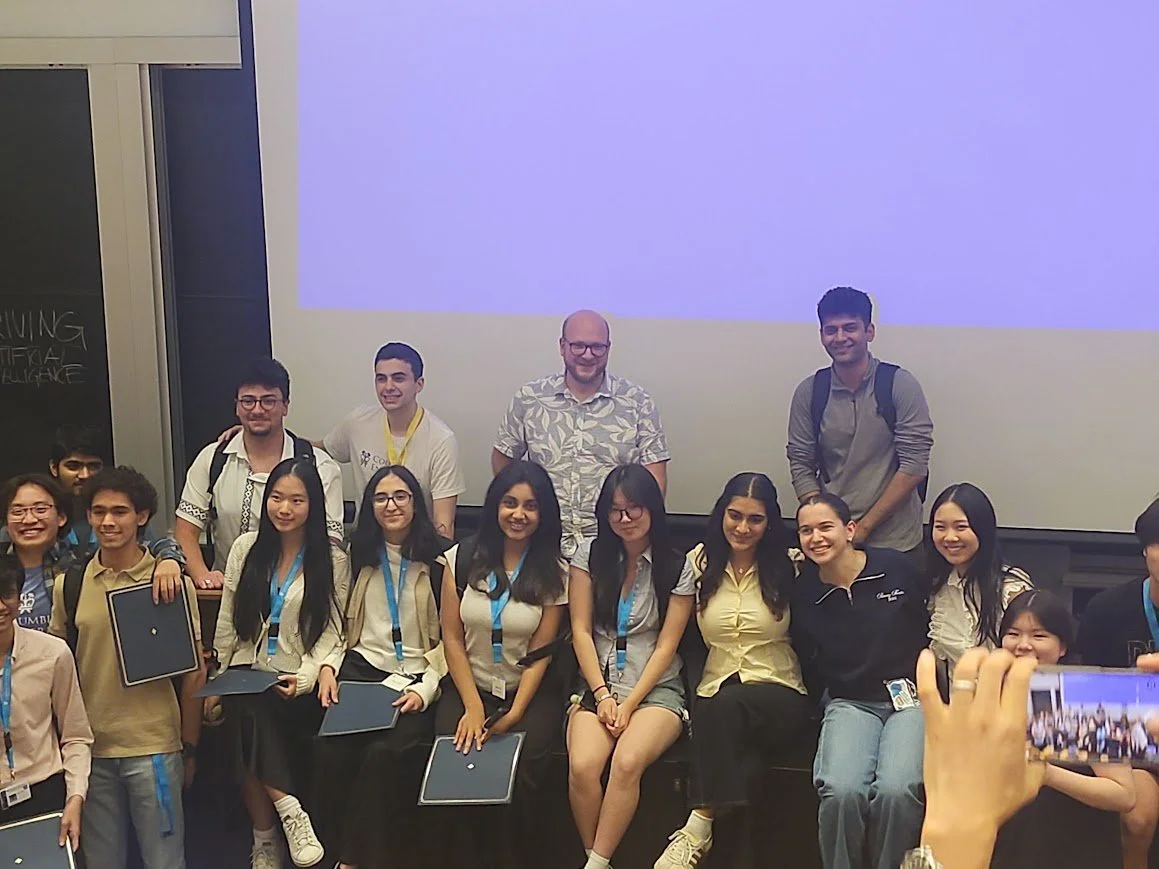
Under the mentorship of Dr. Vilas Menon through Columbia University’s BrainSTORM program, I developed an interactive R Shiny application to explore spatial lipidomics data from eight mice, including Alzheimer’s disease model and wild-type mice.
Users can visualize selected lipids on anatomical brain maps, compare lipid abundance between selected brain regions, and examine distributions across individual mice.
I am currently expanding the application to incorporate newly received data from 37 additional mice.
Spatial Lipid Mapping
View a selected lipid’s distribution across the mouse brain.
Brain Region Comparison
Compare lipid abundance between two selected brain regions.
Multi-Mouse Visualization
Explore lipid distribution patterns across eight mice.
Award-Winning Behavioral Science Research
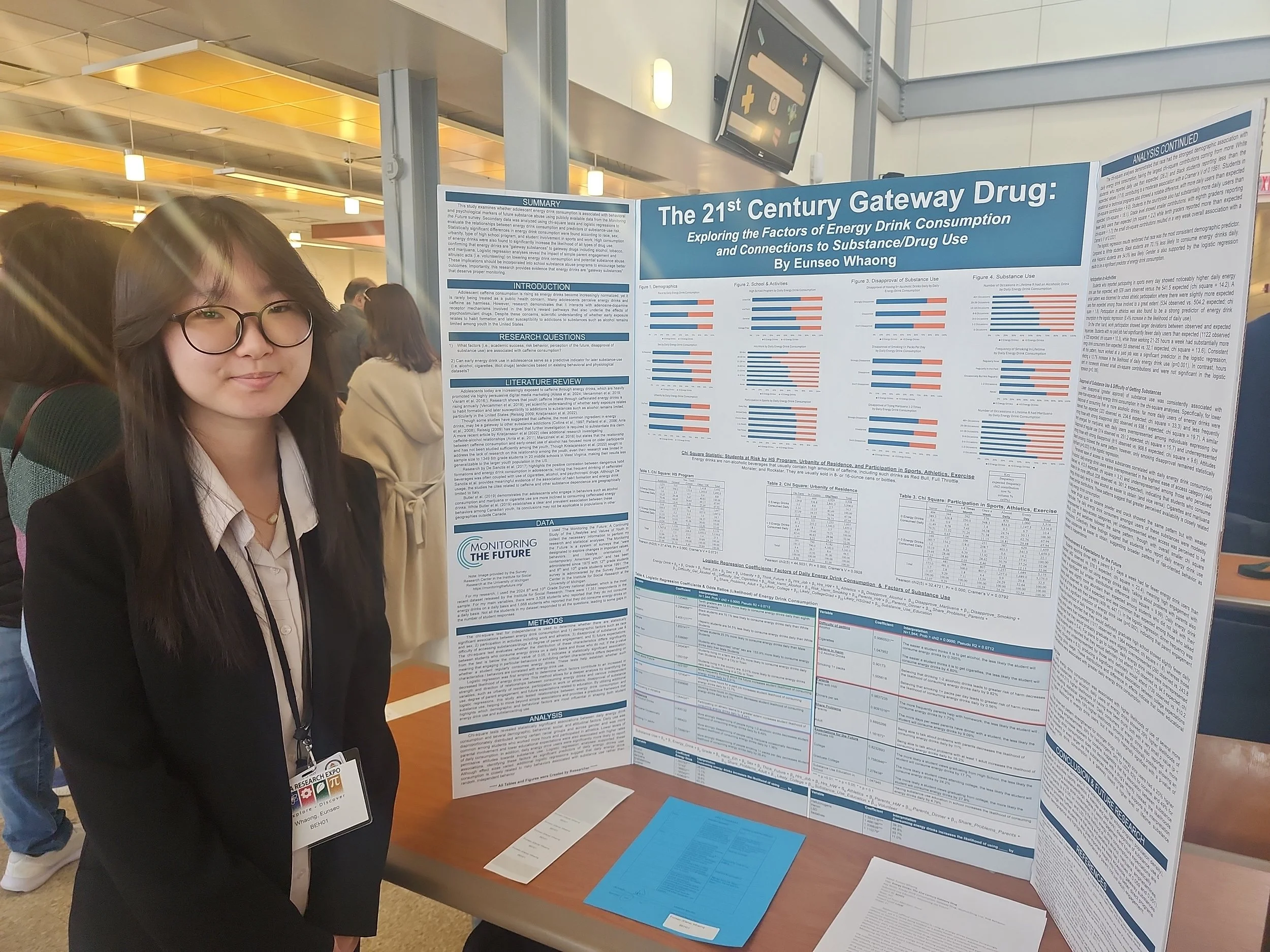
Energy Drinks: The 21st Century Gateway Drug
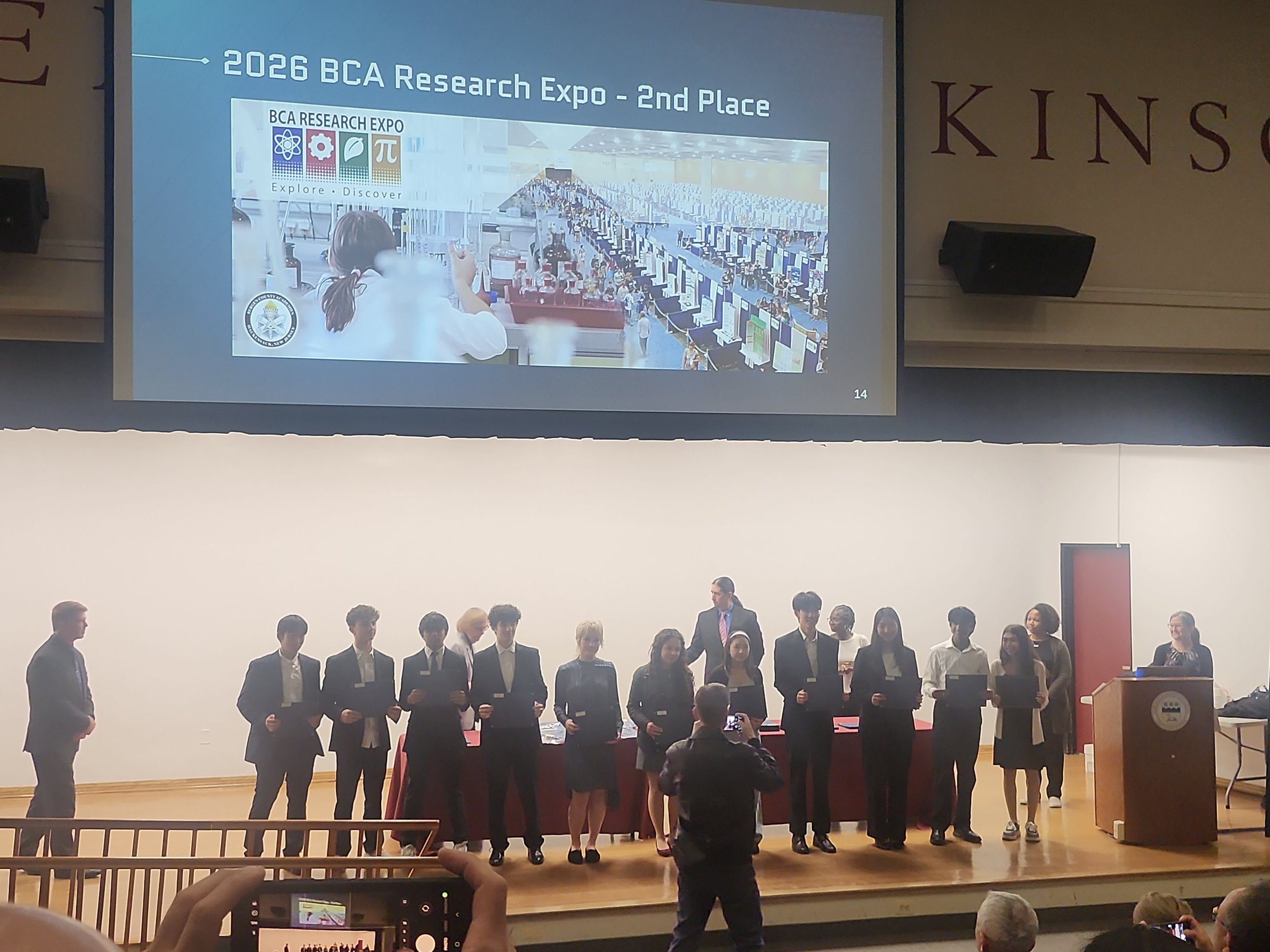
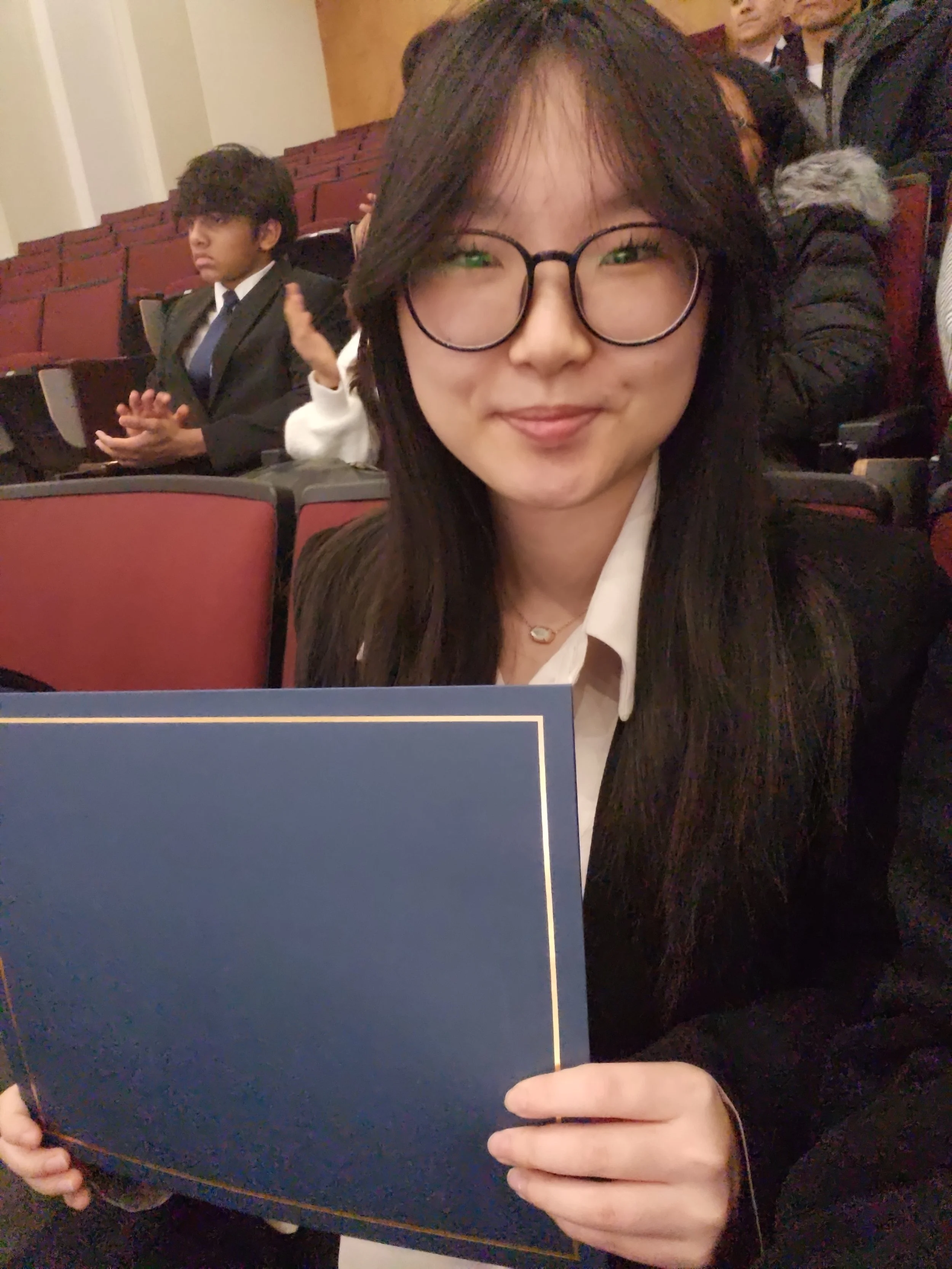
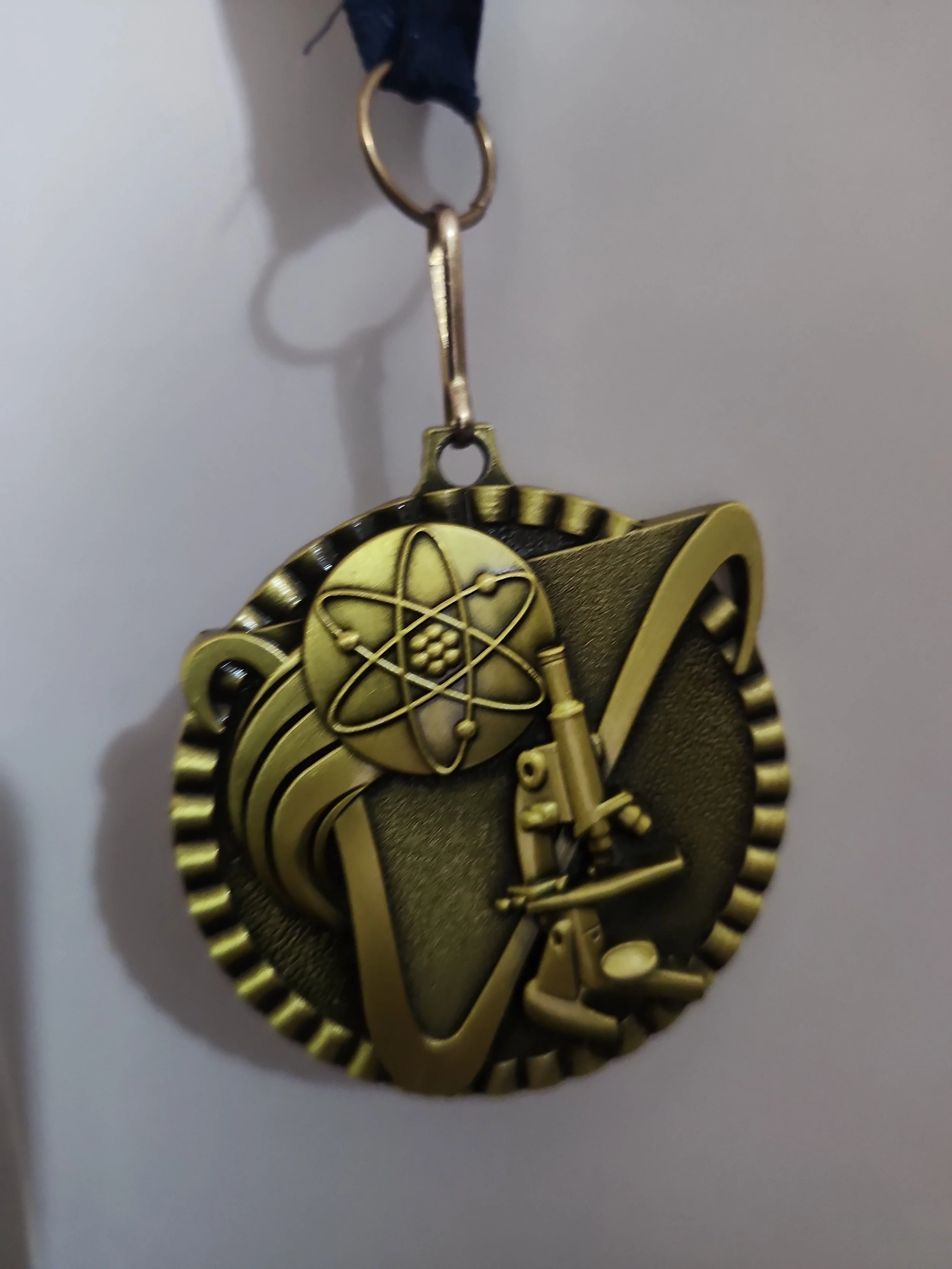
First Place, NJAS Psychology Division | Second Place, BCA Research Expo | 2026
This behavioral science research analyzed the nationally representative Monitoring the Future 2024 dataset (N = 17,351) to investigate whether daily energy drink consumption functions as a predictive behavioral marker for adolescent substance-use tendencies.Using chi-square statistical testing and multivariate logistic regression modeling, the study identified significant associations between habitual high-caffeine intake and increased likelihood of alcohol, marijuana, stimulant, hallucinogen, and cocaine use.The findings suggest that excessive caffeine consumption during adolescence may operate as an early behavioral risk indicator within broader addiction-vulnerability pathways.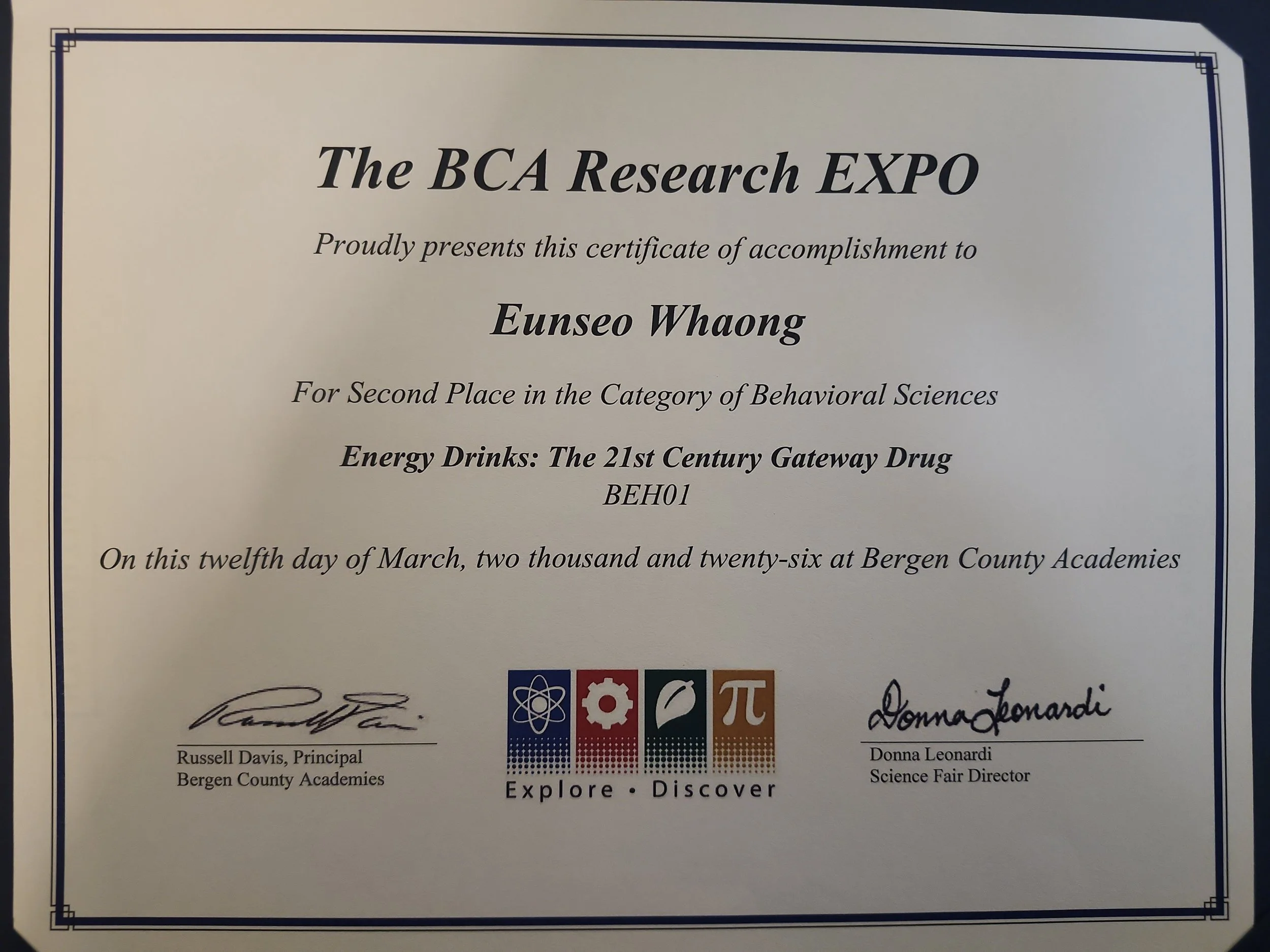
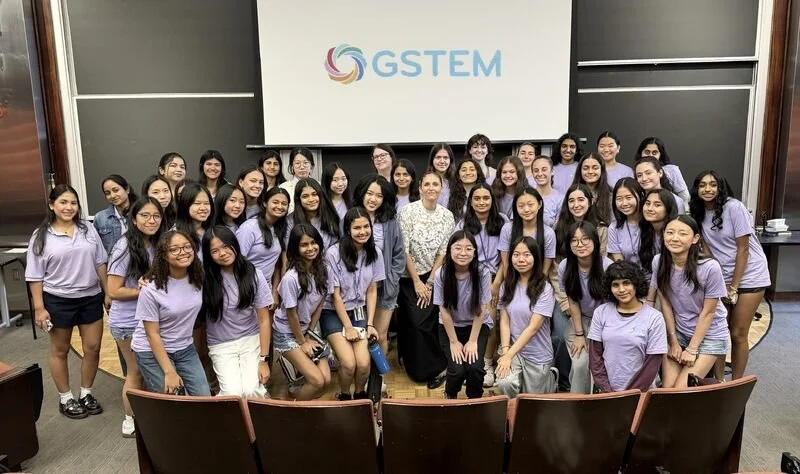
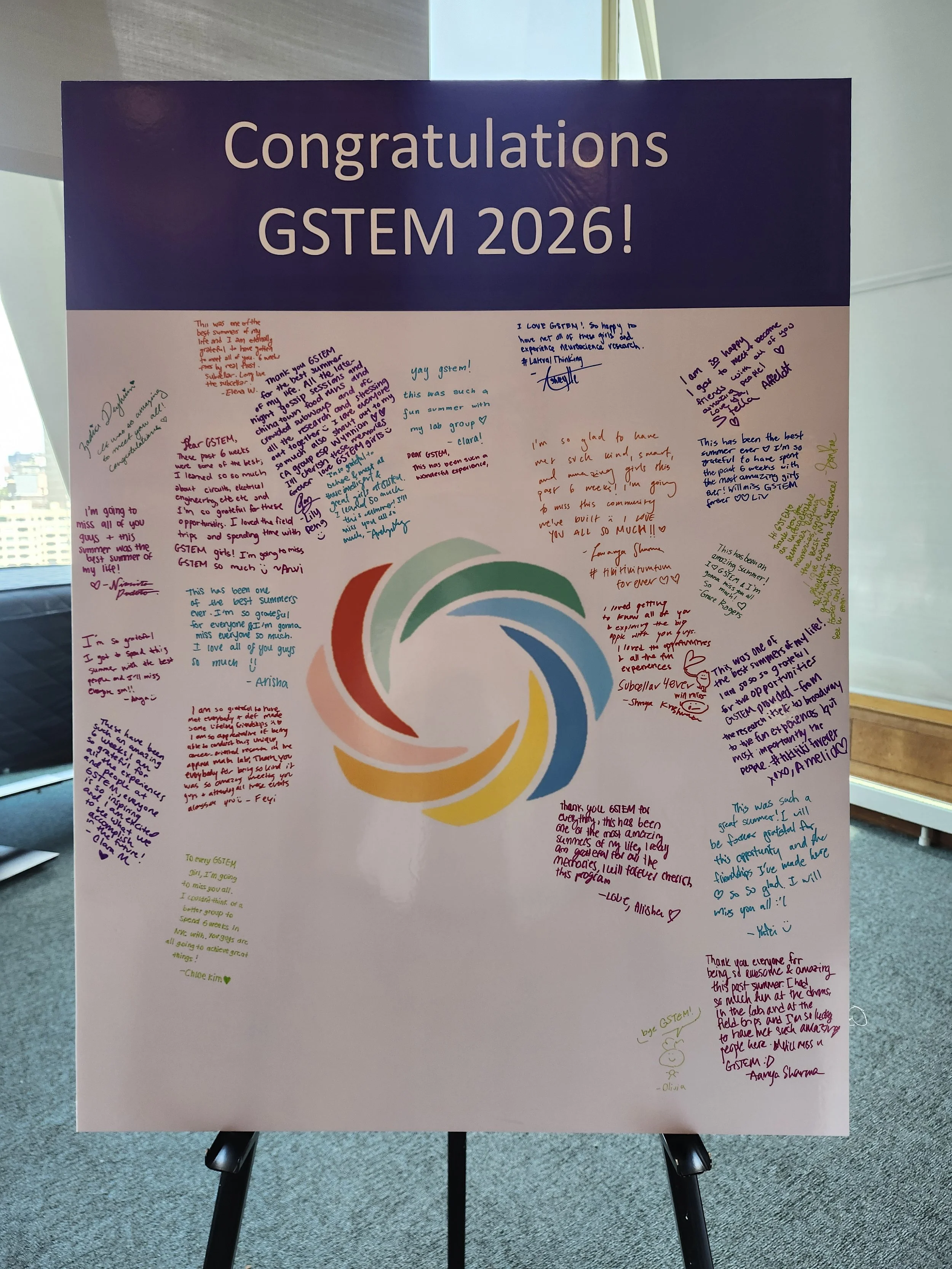
New York University GSTEM Summer Research Program
Winston Data Scholar | Research Mentee
Investigating the Privacy of Mobile Transit Apps Using a Proxy | June–August 2026
Awards & Recognition
Winston Data Scholarship
Awarded a $5,750 competitive merit scholarship, selected as one of 9 scholarship recipients from a cohort of 37 students.
Research Summary
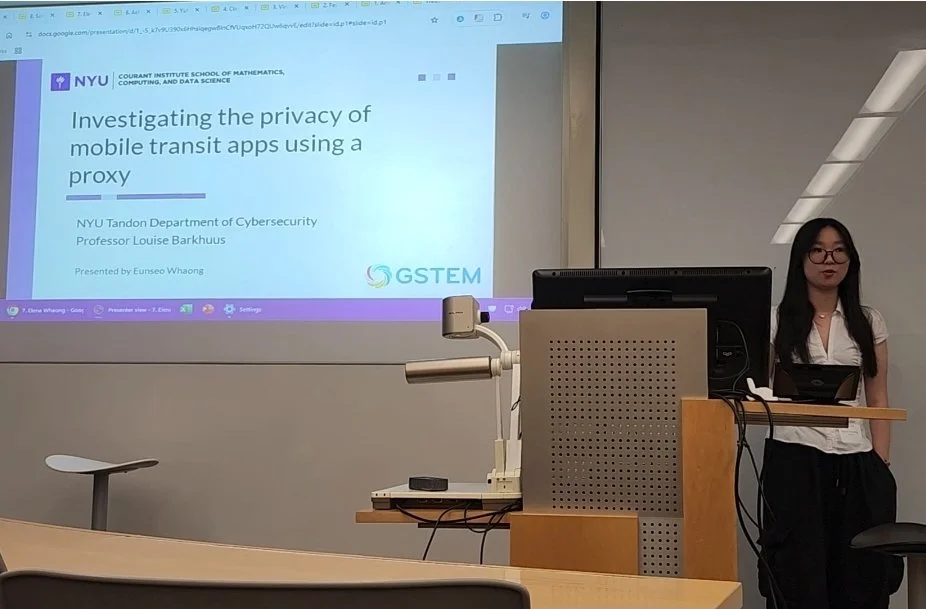
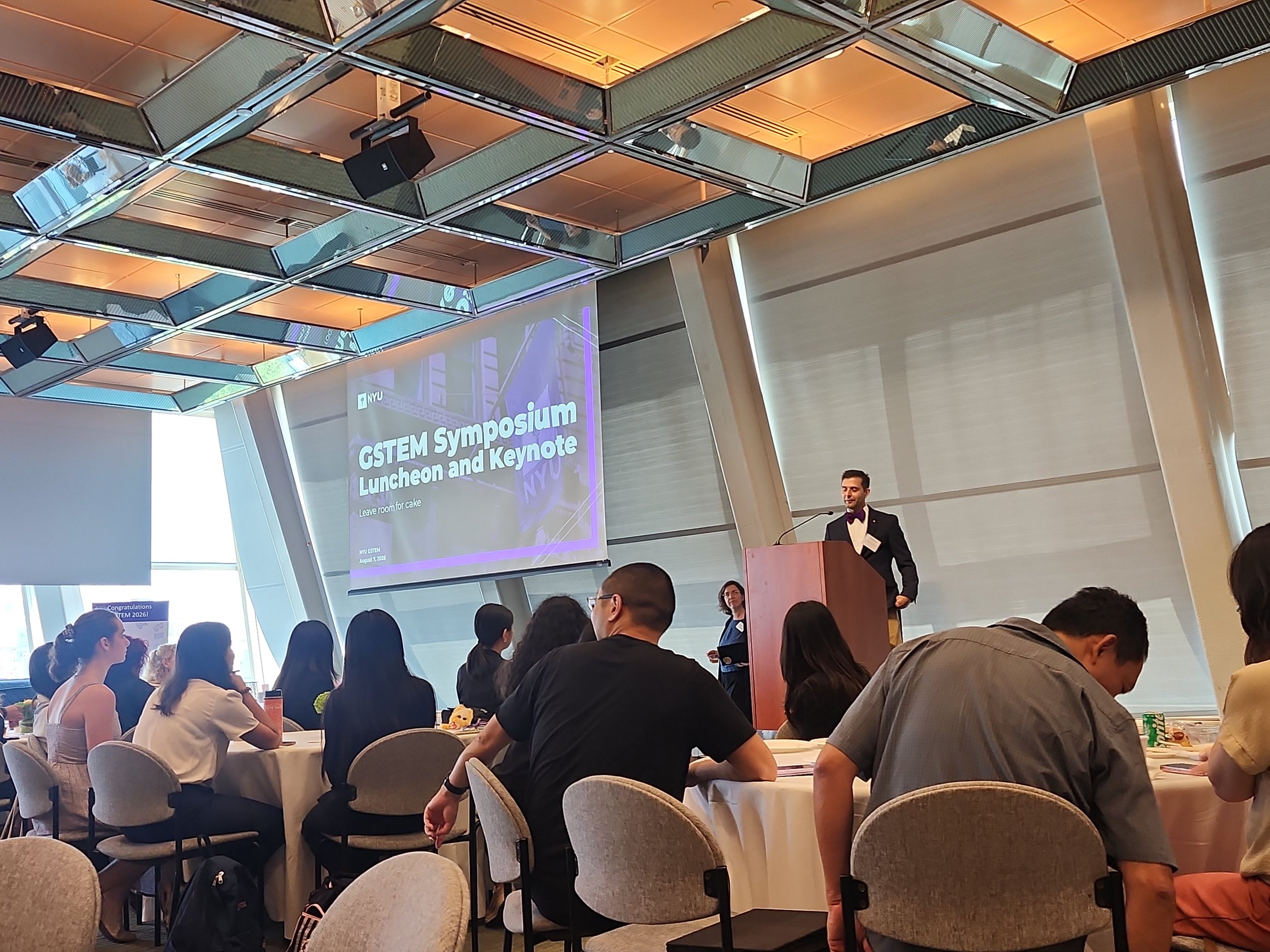
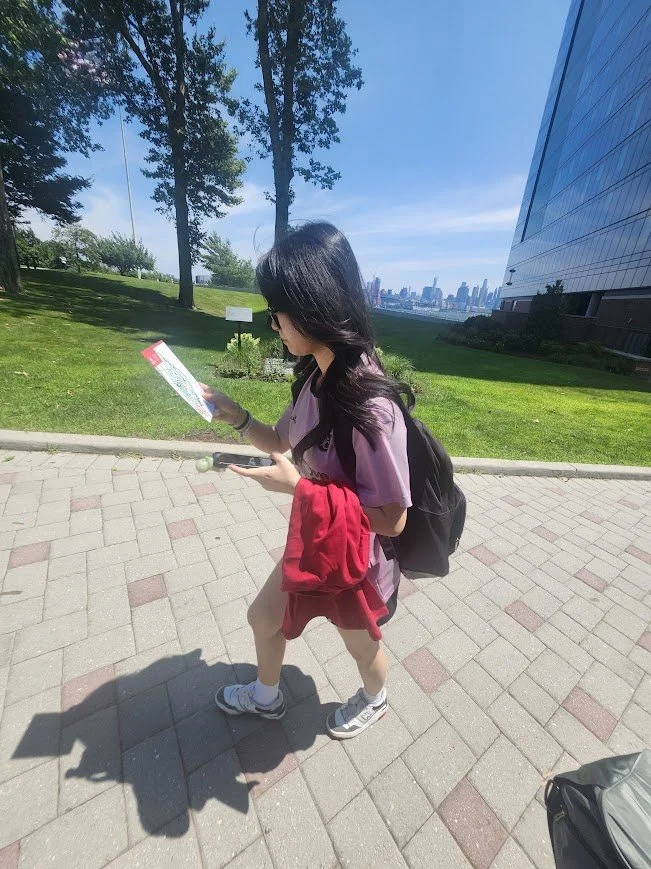
Conducted faculty-mentored research under Professor Louise Barkhuus in NYU's Department of Computer Science and Engineering, investigating the privacy practices of six U.S. public transit mobile applications. Analyzed privacy policies and network traffic to compare disclosed data practices with observed data transmissions, identifying concerns related to data minimization, sensitive information transmission, and third-party transparency.Final Presentation
Presented the completed research at the NYU GSTEM Final Research Symposium, discussing the study's methodology, findings, limitations, and implications for improving transparency and privacy in public transit applications.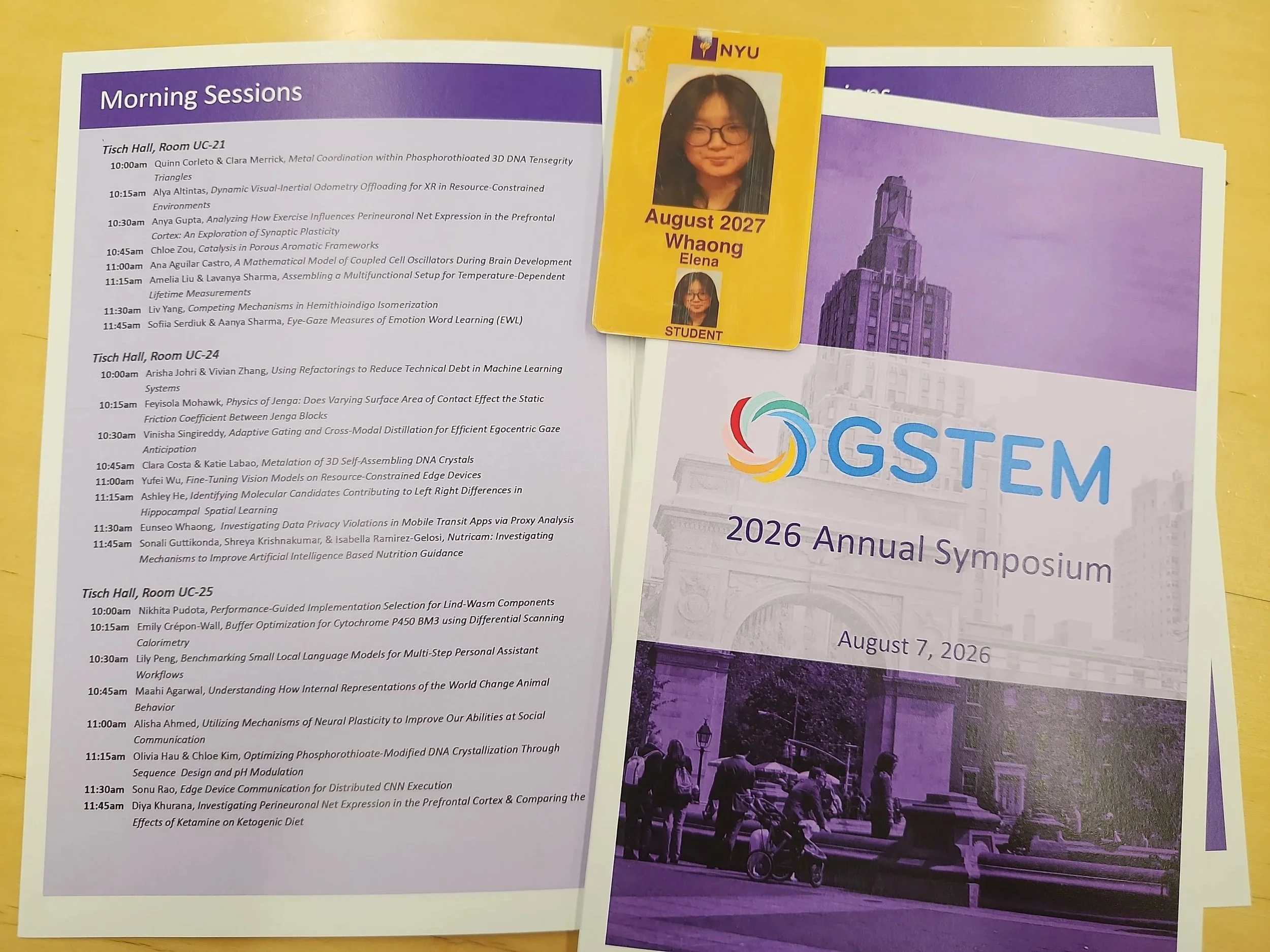
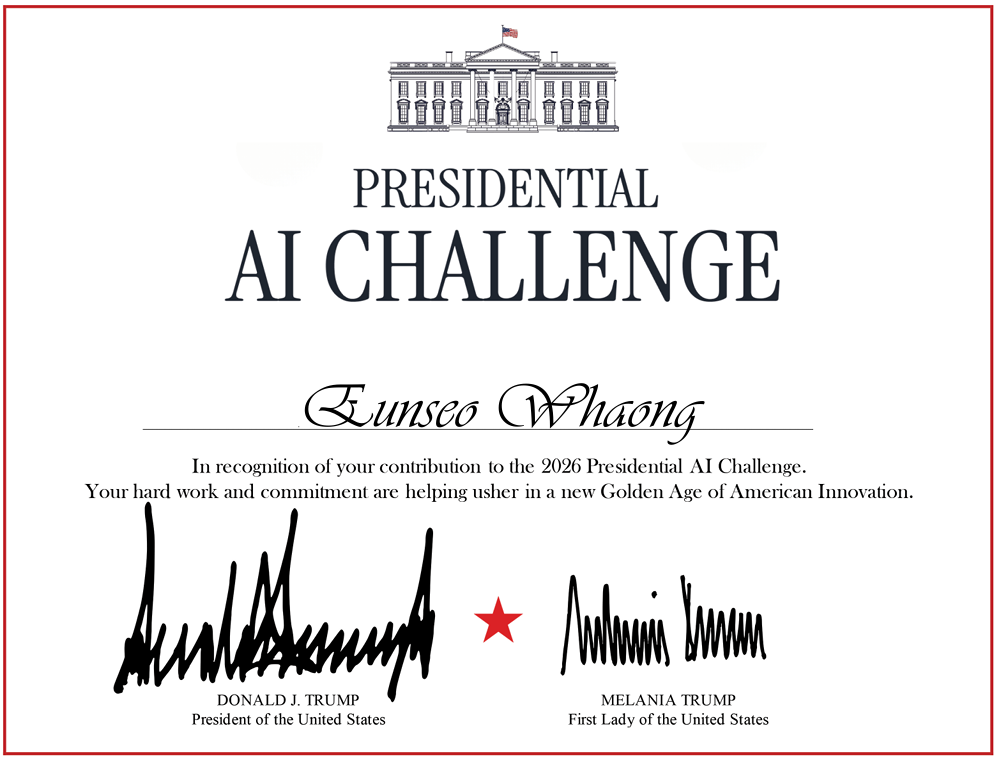
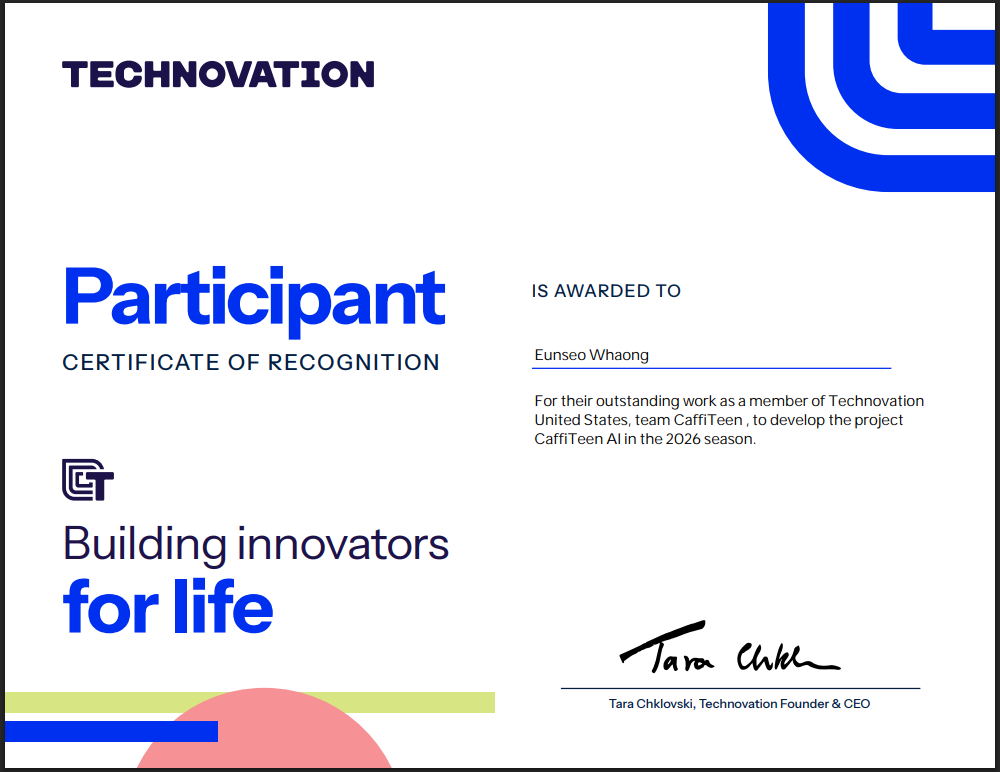
CaffiTeen – Congressional App Challenge 2025 (NJ-05) / Presidential AI Challenge 2026 / Technovation Girls 2026
https://www.caffiteenyouth.org/
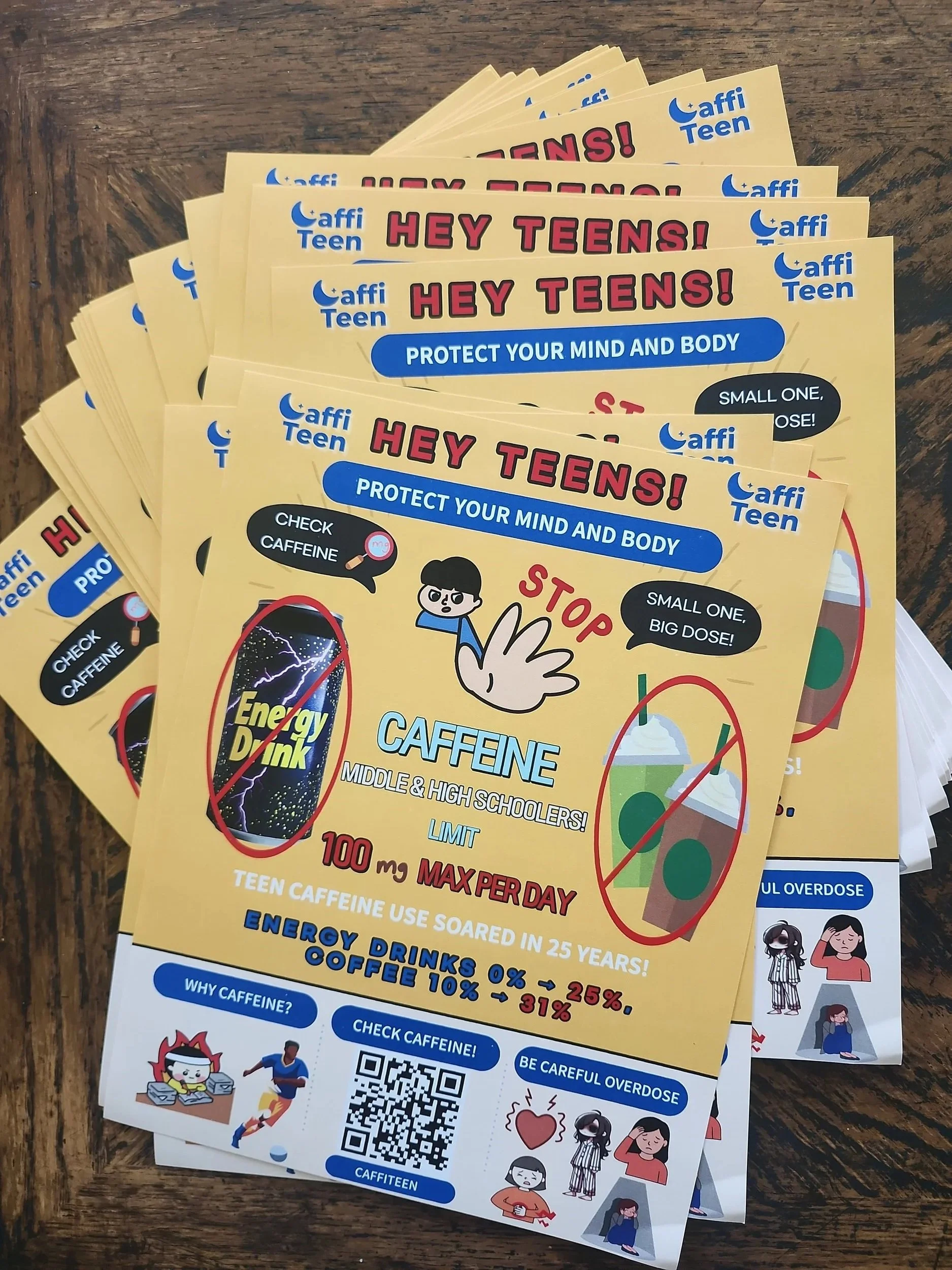
CaffiTeen is a web app that helps teens understand their caffeine intake through half-life tracking, visualized data, and simple health guidance.
Program: Congressional App Challenge (NJ-05) / Presidential AI Challenge 2026 / Technovation Girls 2026
Approach: Built with Bubble.io and Chart.js, featuring behavioral-science content and responsive UI/UX
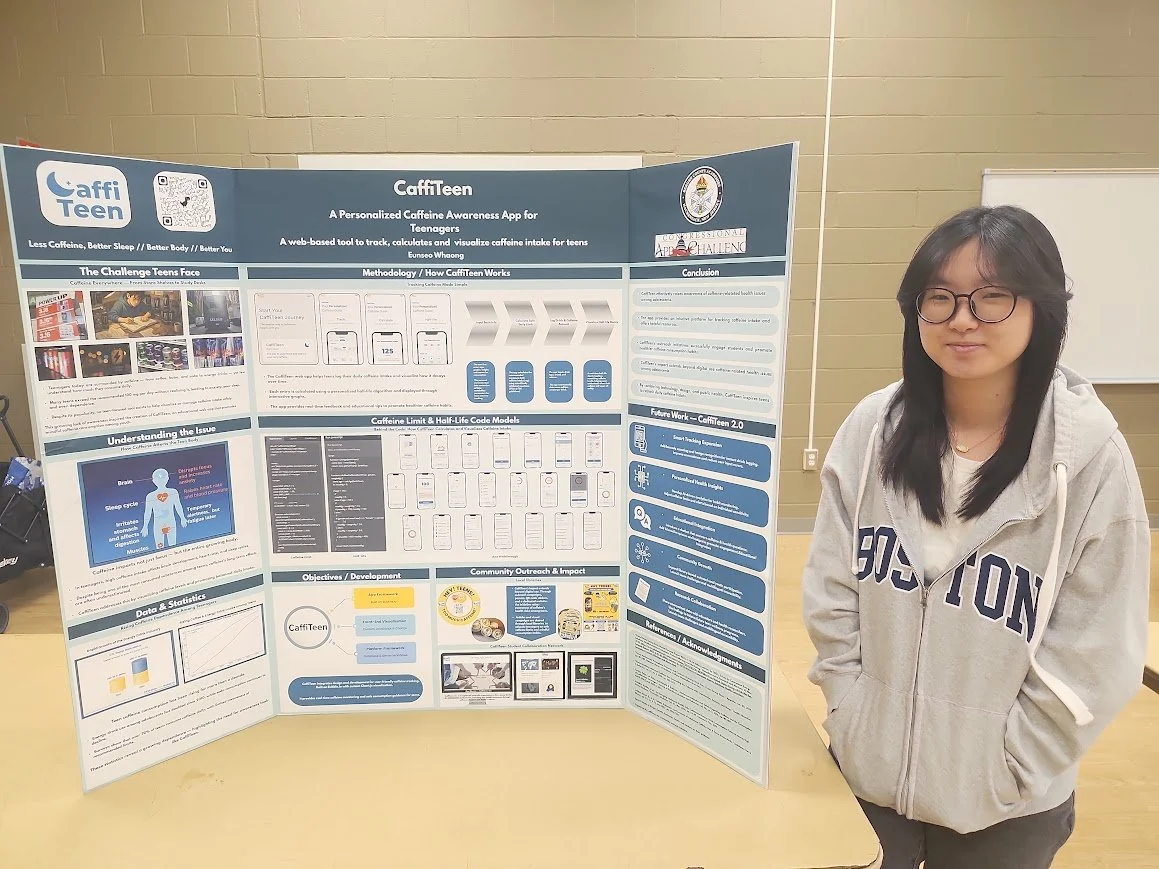
Outcome: Delivered a functional app, 3-minute demo video, 20-slide presentation, and an official trifold board
Impact: Supports healthier caffeine habits among teenagers
Congressional App Challenge Fair
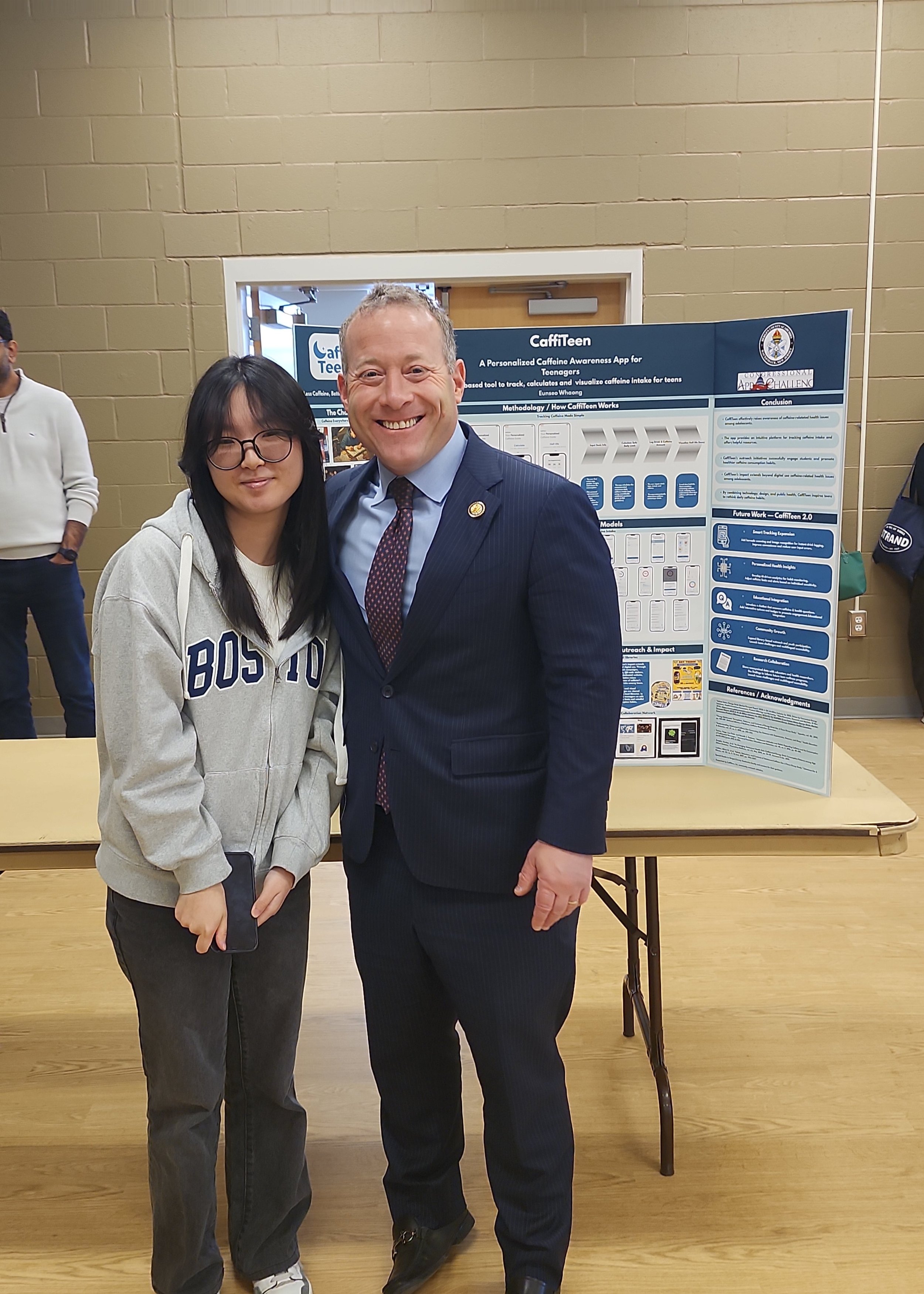
CaffiTeen was invited to the NJ-05 App Challenge Fair hosted by Congressman Josh Gottheimer, held on November 15, 2025, at the Hackensack Recreation Center. I showcased the app and shared the project with the community.
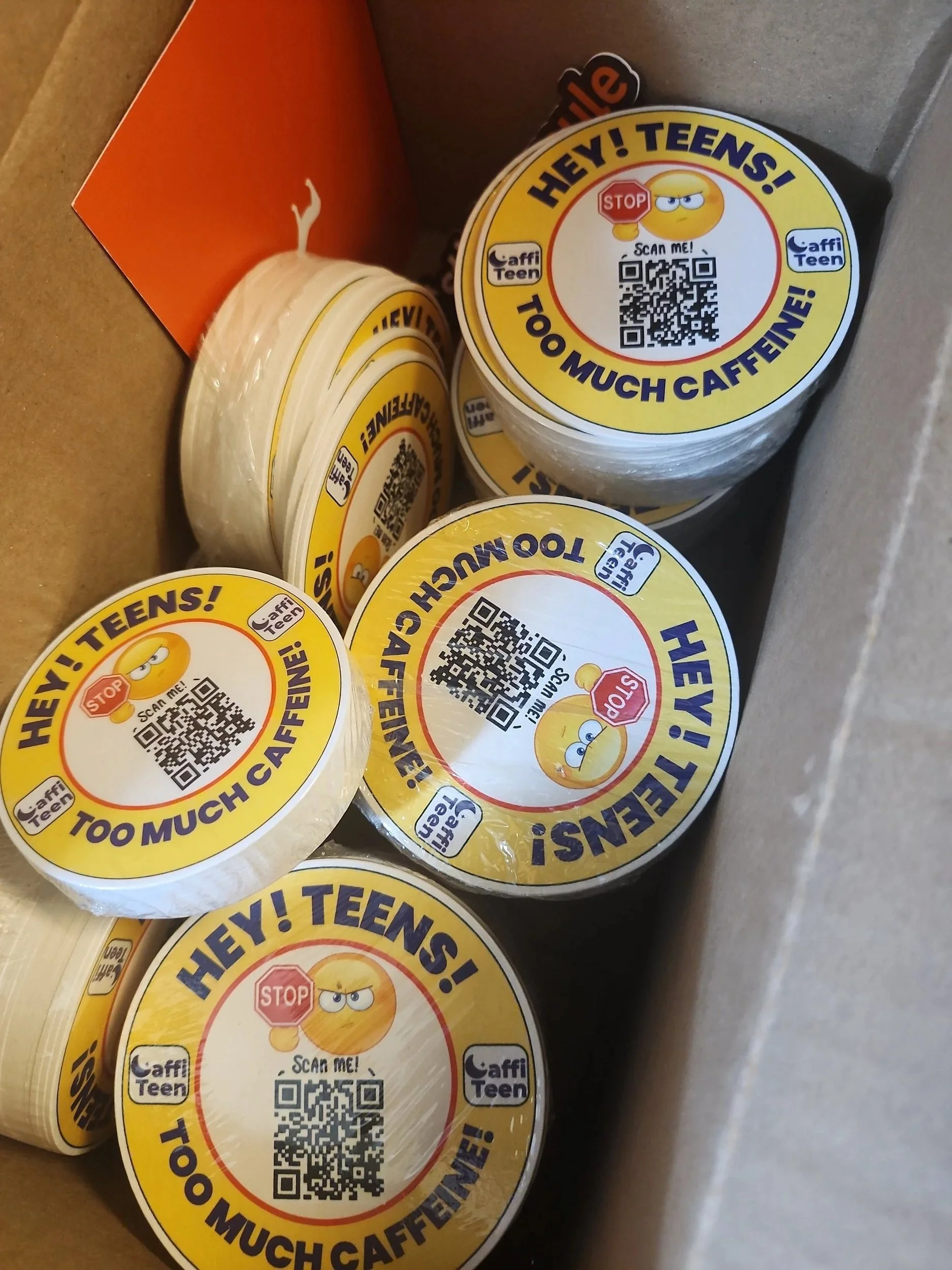
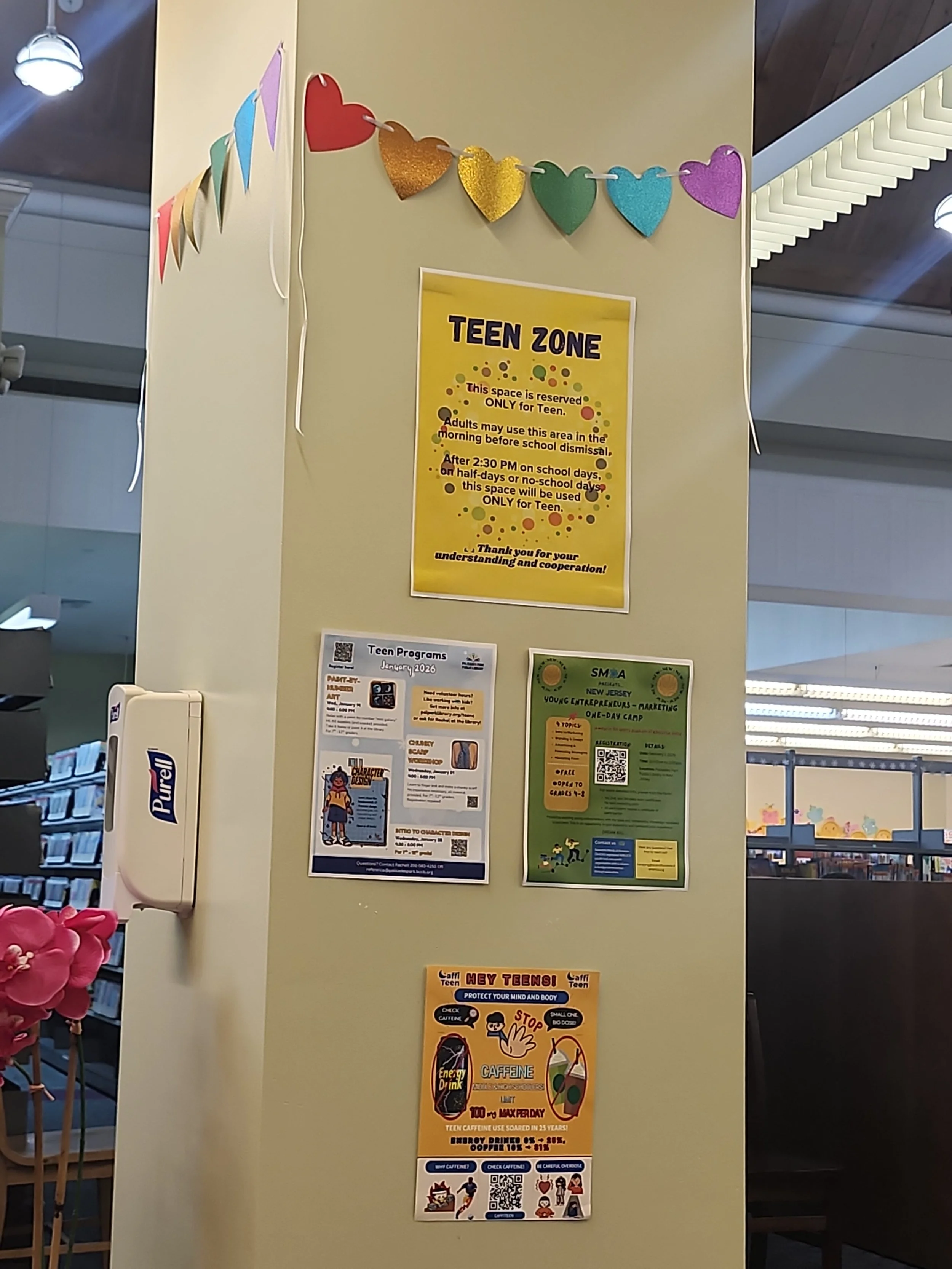
CaffiTeen Library Outreach
: These libraries were among the first to display CaffiTeen’s posters. Many more now display them, and we are in contact with additional libraries to arrange workshops.
— Palisades Park, NJ
December 2025
— Fort Lee, NJ
September 3, 2026
— Fair Lawn, NJ
September 10, 2026
— Teaneck, NJ
September 4, 2026
— Leonia, NJ
September 15 , 2026
Global Health Leaders Conference (GHLC) at Johns Hopkins University – Selected Student Speaker, 2 Consecutive Years [2025–2026]
2025 — Beyond Accuracy: Building Fair and Transparent AI for Autism Diagnosis
Selected as 1 of 170 Student Speakers in an international cohort to present research on fairness and transparency in AI-based autism diagnosis, integrating AI, neuroscience, and public health. Presentation published on GHLC at JHU’s official YouTube channel.

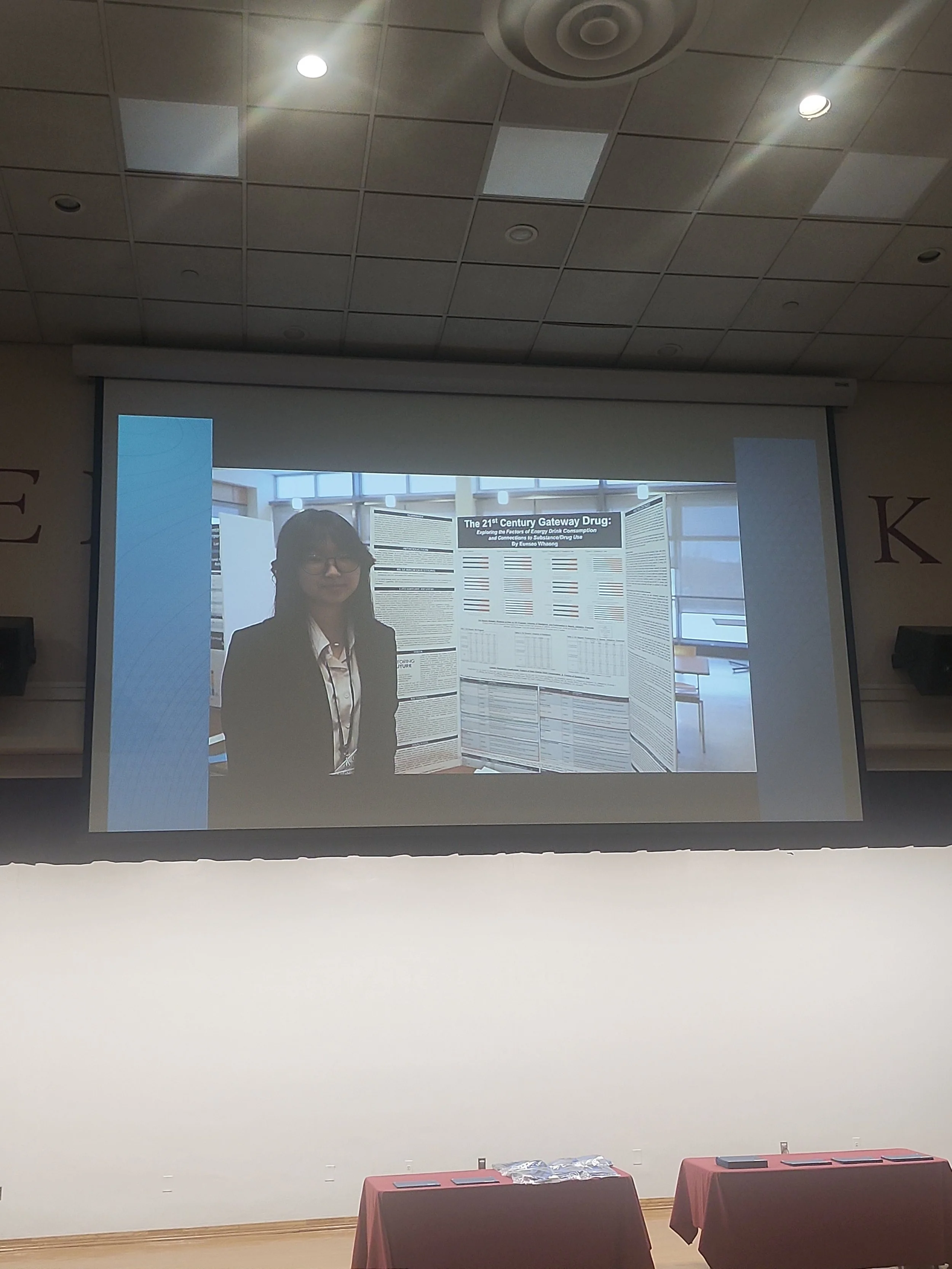
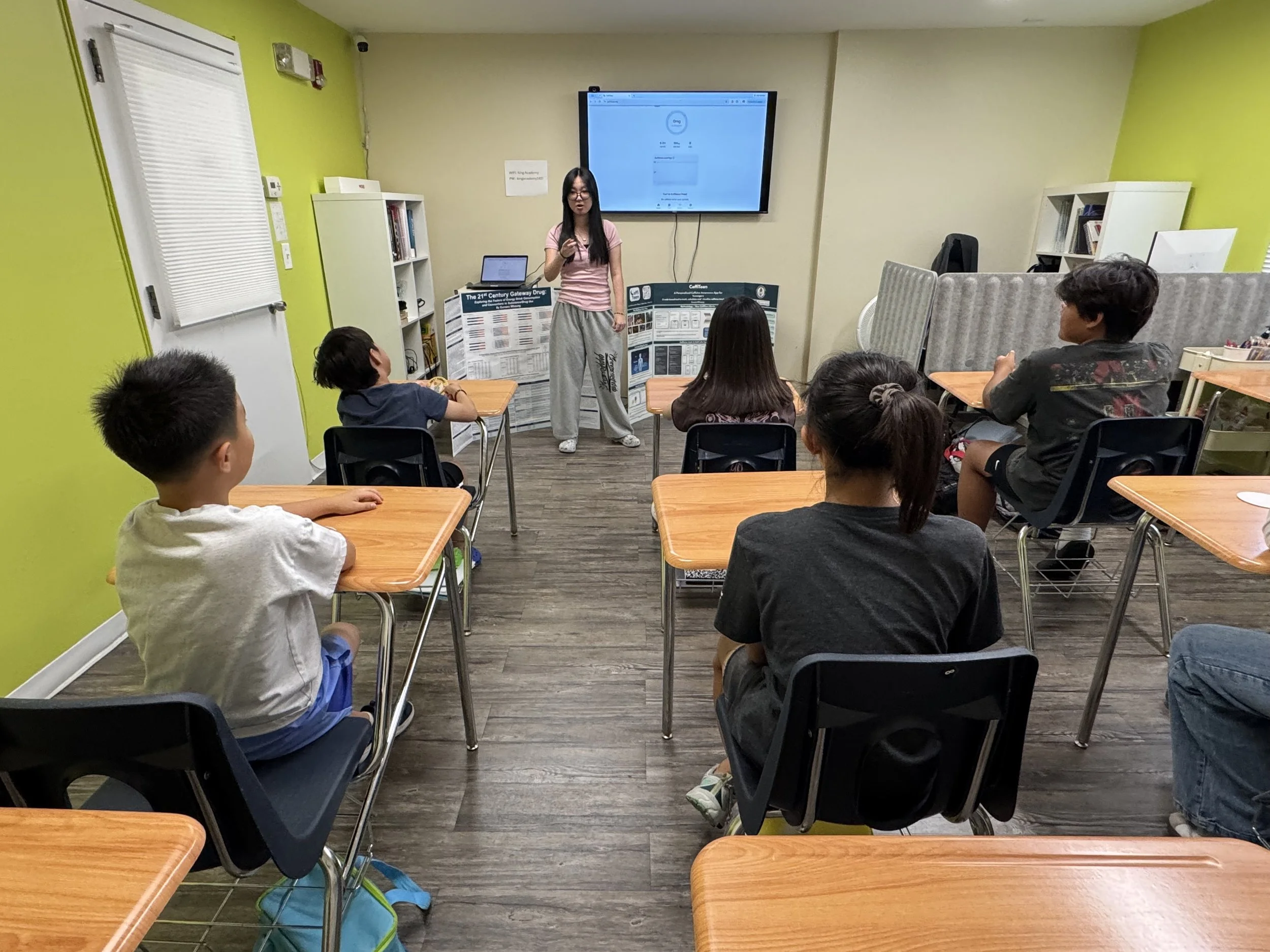
2026 — The 21st Century Gateway Drug: Exploring the Factors of Energy Drink Consumption and Connections to Substance/Drug Use
Selected as 1 of 165 Student Speakers in an international cohort to present research examining associations between adolescent energy drink consumption and substance use using national Monitoring the Future data. Presentation published on GHLC at JHU’s official YouTube channel.
Wolfram Emerging Leaders Program (WELP)
Research Student | Computational Neuroscience
August 2025–May 2026
Program & Research
Selected for Wolfram’s year-long computational research and innovation program for high school students. After studying Wolfram Language during the first semester, collaborated on a small-group research project exploring computational models of multiple sclerosis and neural-network resilience to demyelination.Project
Contributed to “Modeling Multiple Sclerosis and Demyelination Resilience across Neural Networks,” a team research project using computational modeling to explore how neural networks respond to progressive demyelination.Publication & Recognition
The team project was published on Wolfram Community and recognized as a Wolfram Community Staff Pick.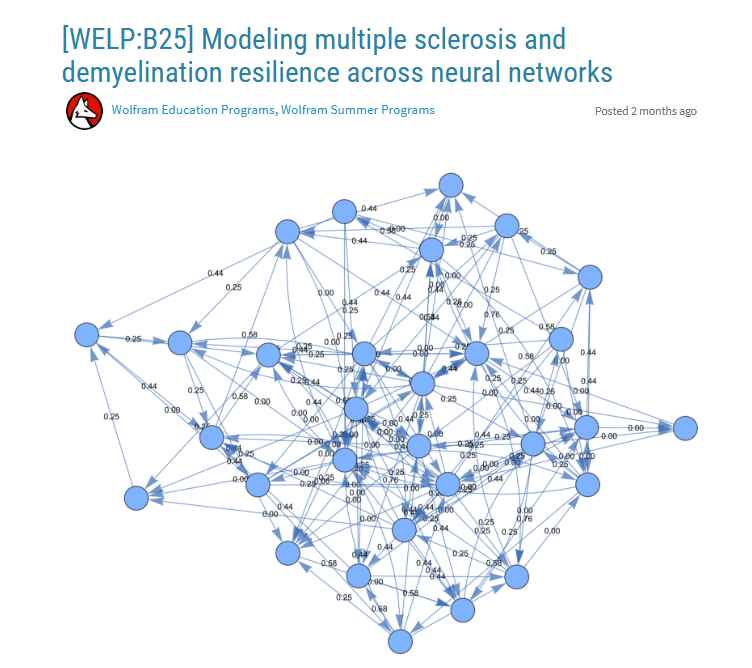
Fair and Explainable Machine Learning for Pediatric Autism Diagnosis: Combining Bias Analysis and Model Interpretation – Curieux Academic Journal — Published (Feb 2026)
: Explored model fairness and interpretability in pediatric ASD diagnosis using Random Forest, Logistic Regression, and XGBoost.
Applied SHAP and LIME to increase transparency and reduce bias in AI predictions.
🔗 Publication: https://www.curieuxacademicjournal.com/_files/ugd/99711c_2cc5ab877ee6497097321f287922ec1f.pdf
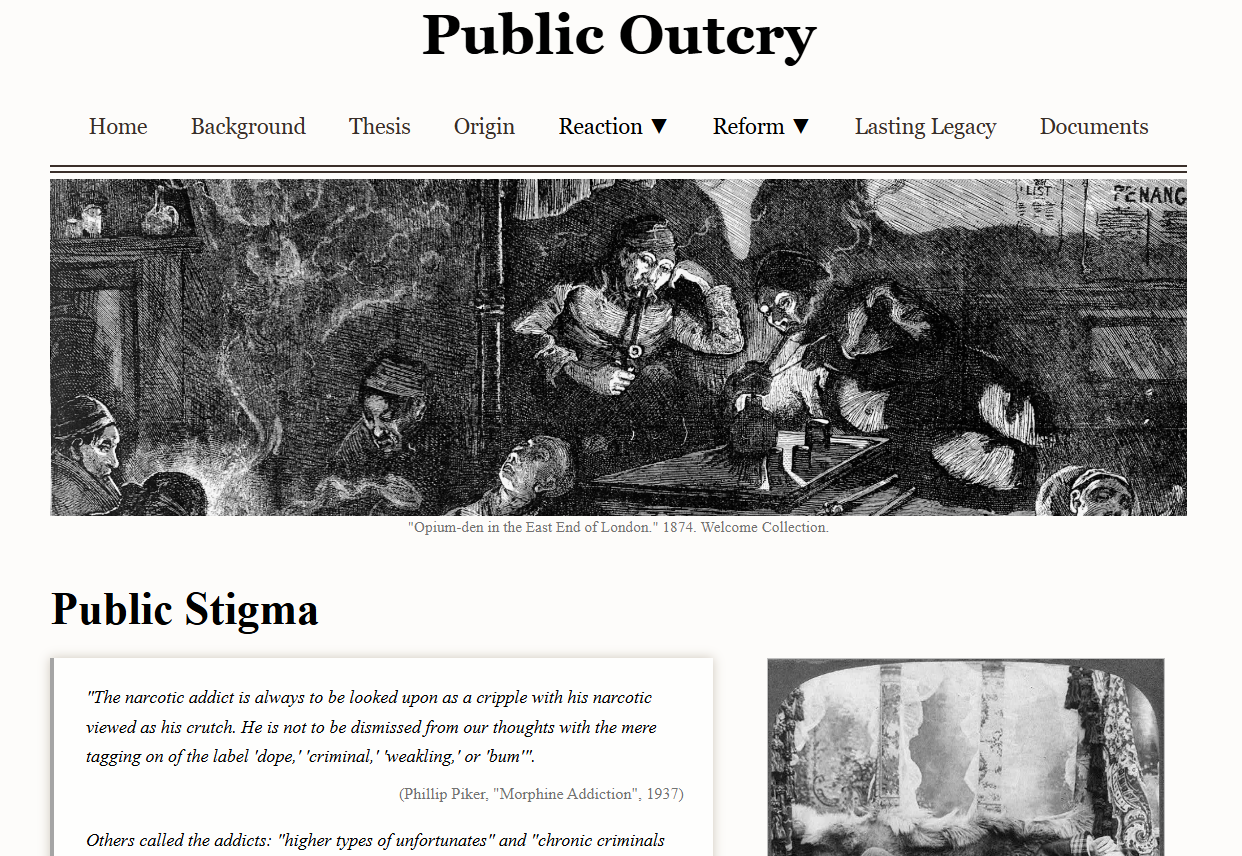
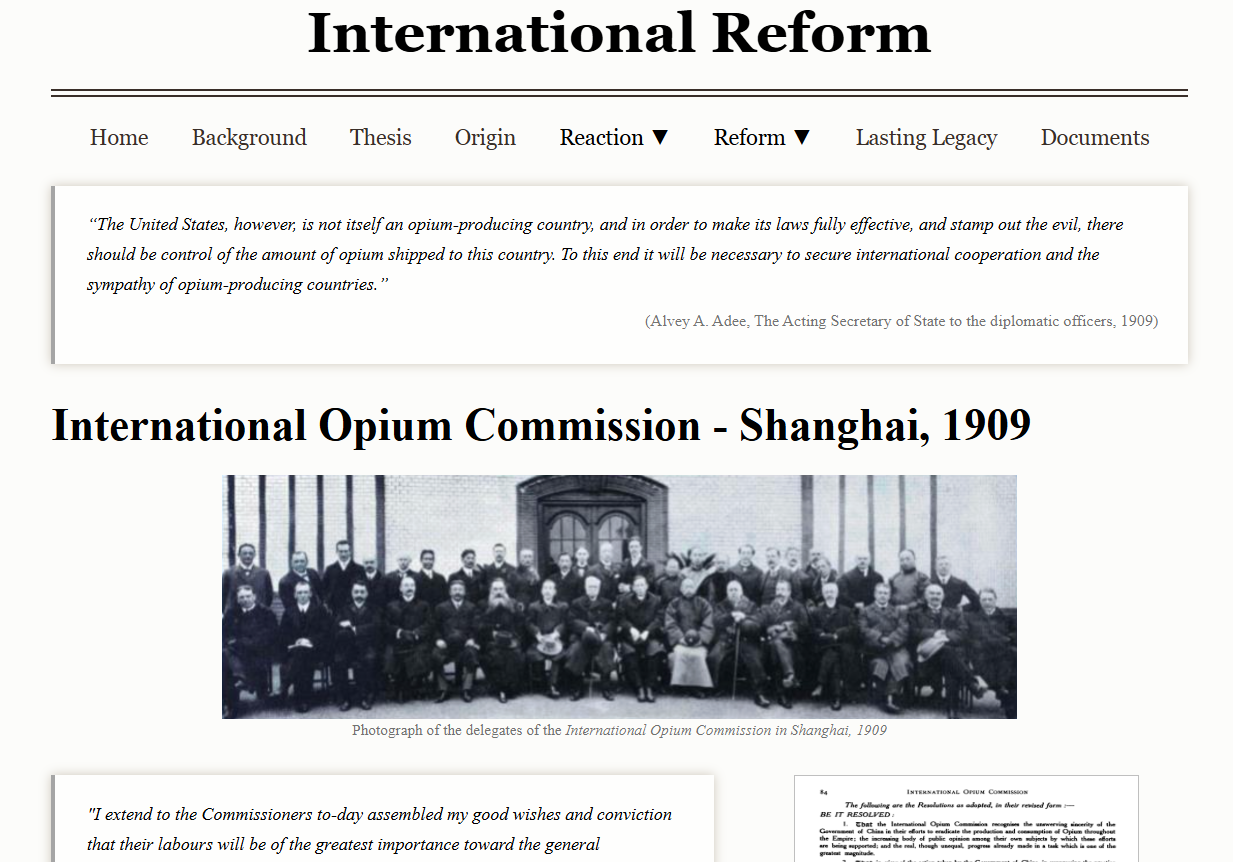
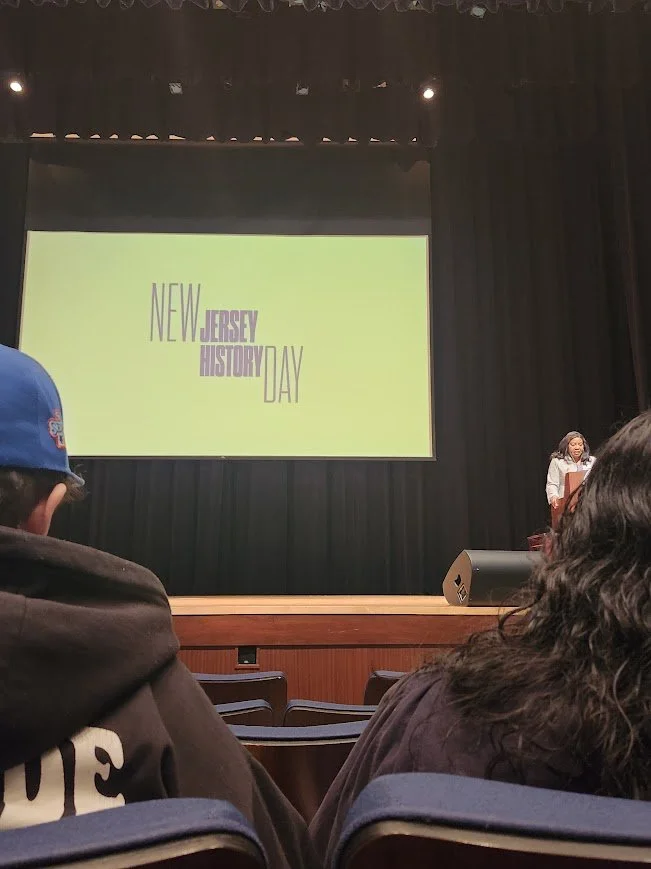
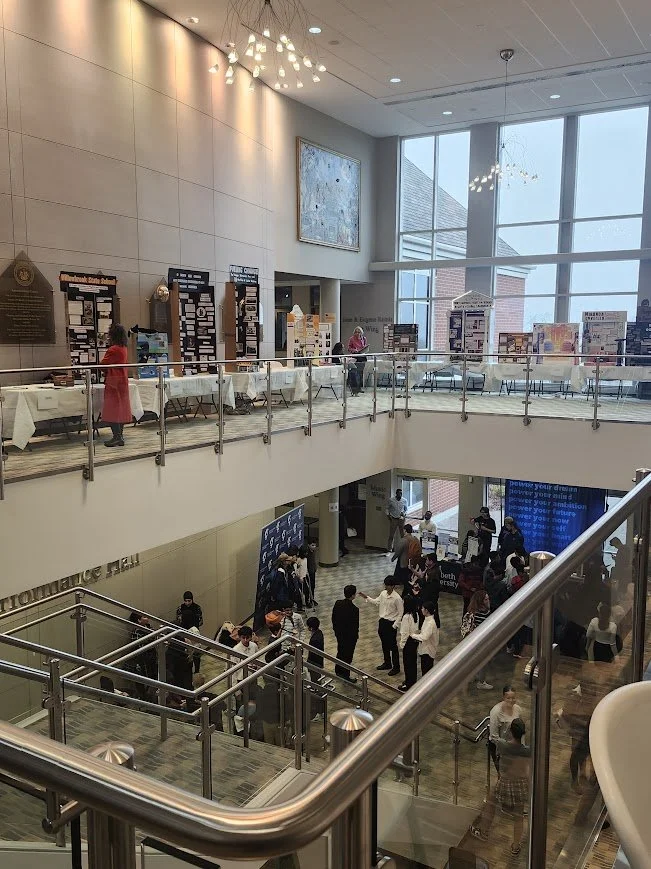
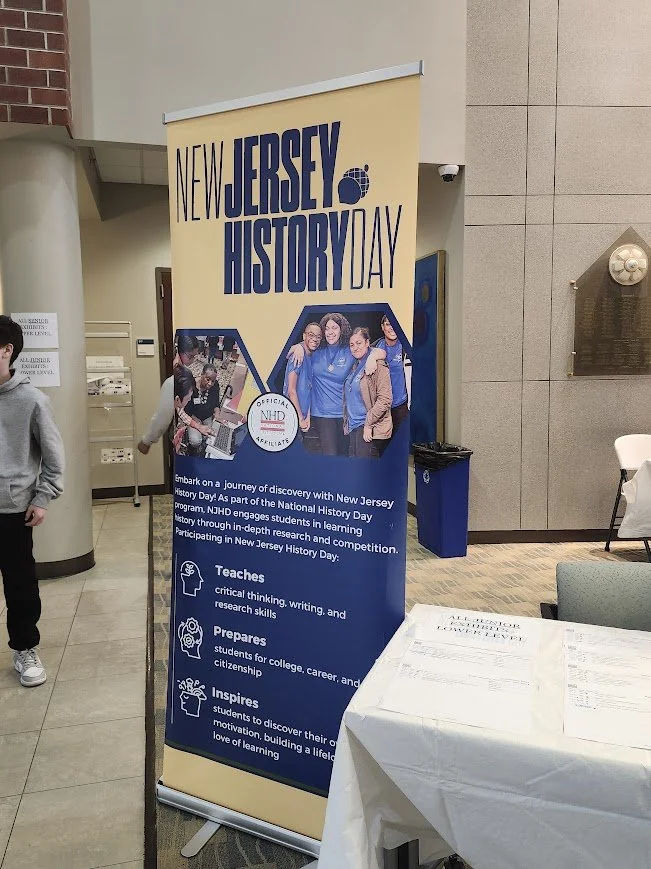
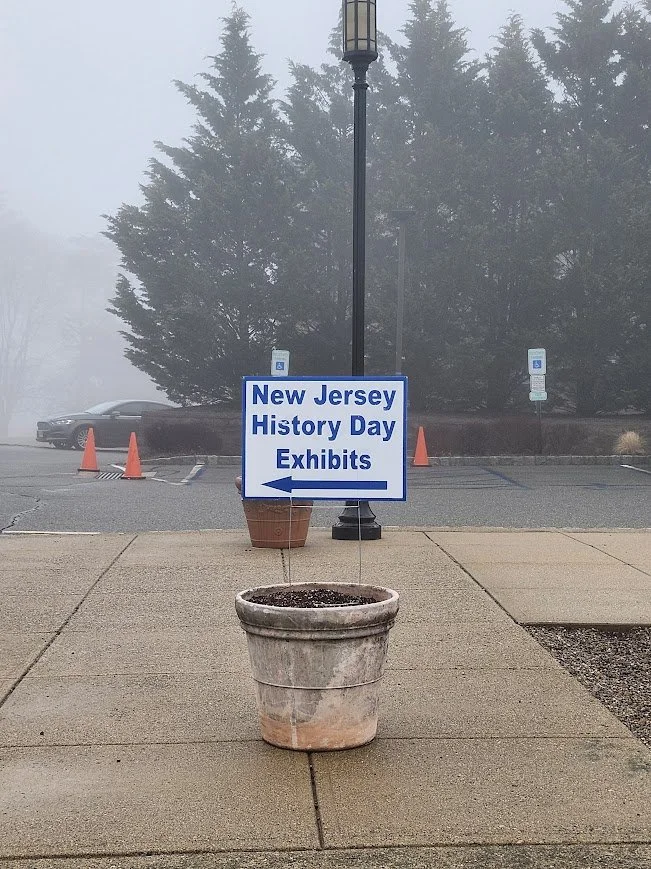
National History Day — NJ State Contest Qualifier | Team Website | 2026
Theme: Revolution, Reaction, Reform in History
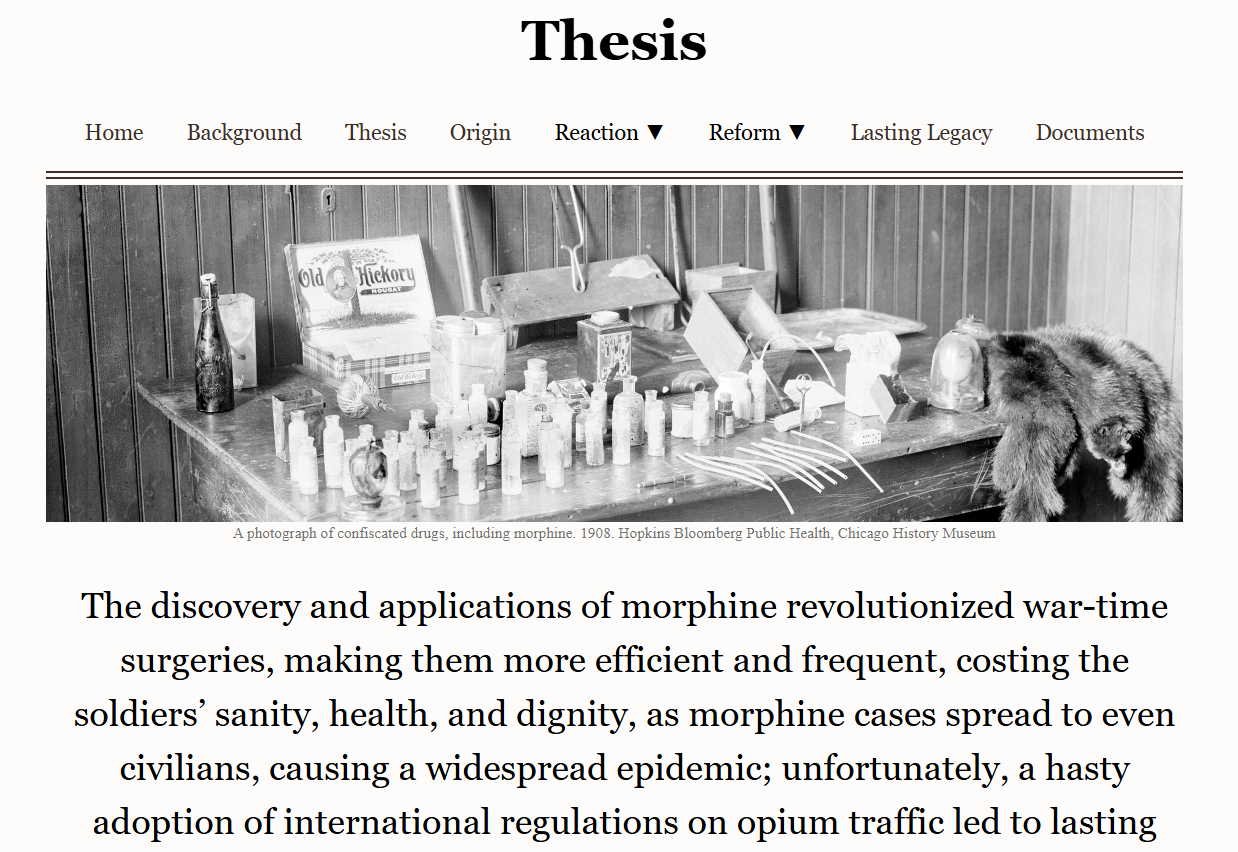
Topic: Wartime Morphine and Its Detrimental Aftermath
Role: Proposed and selected the research topic; collaborated on research and website development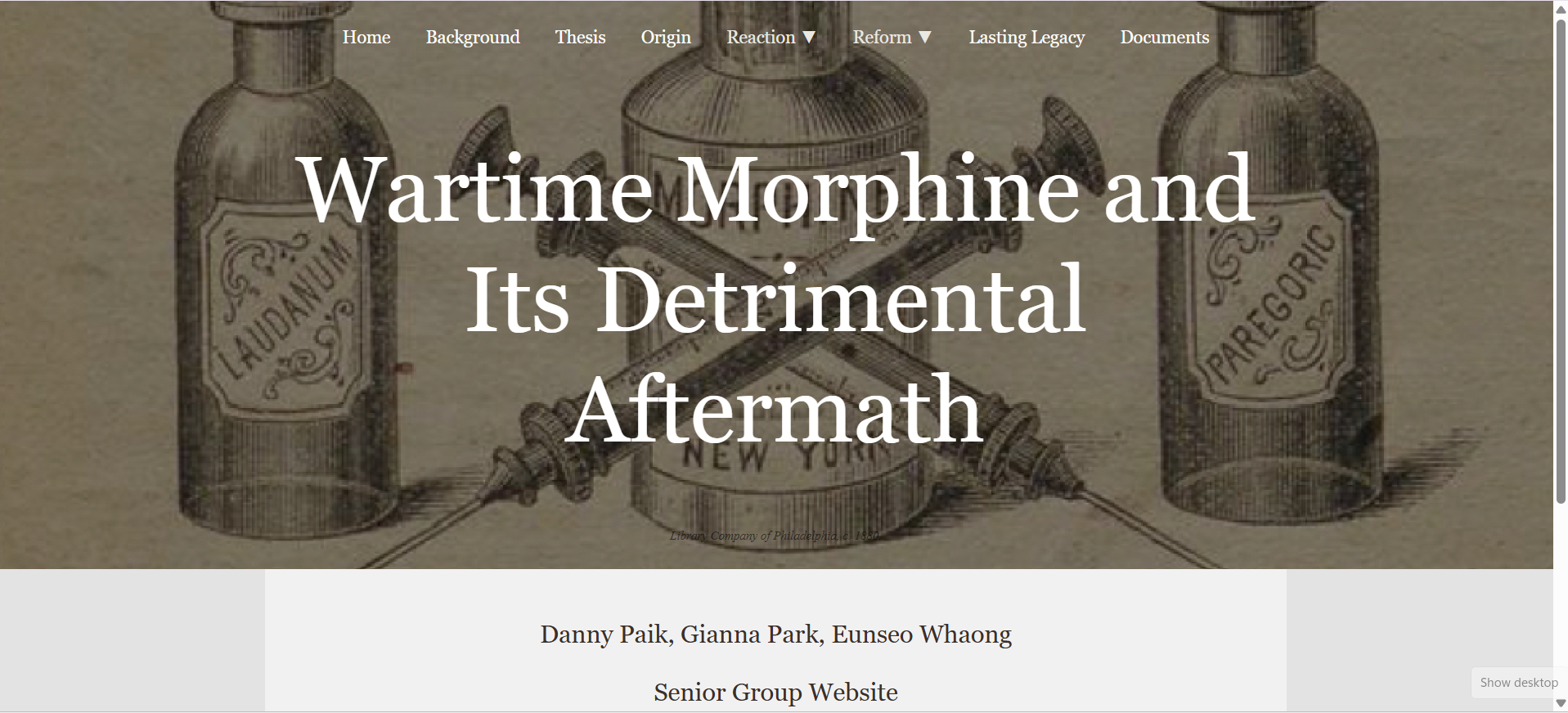
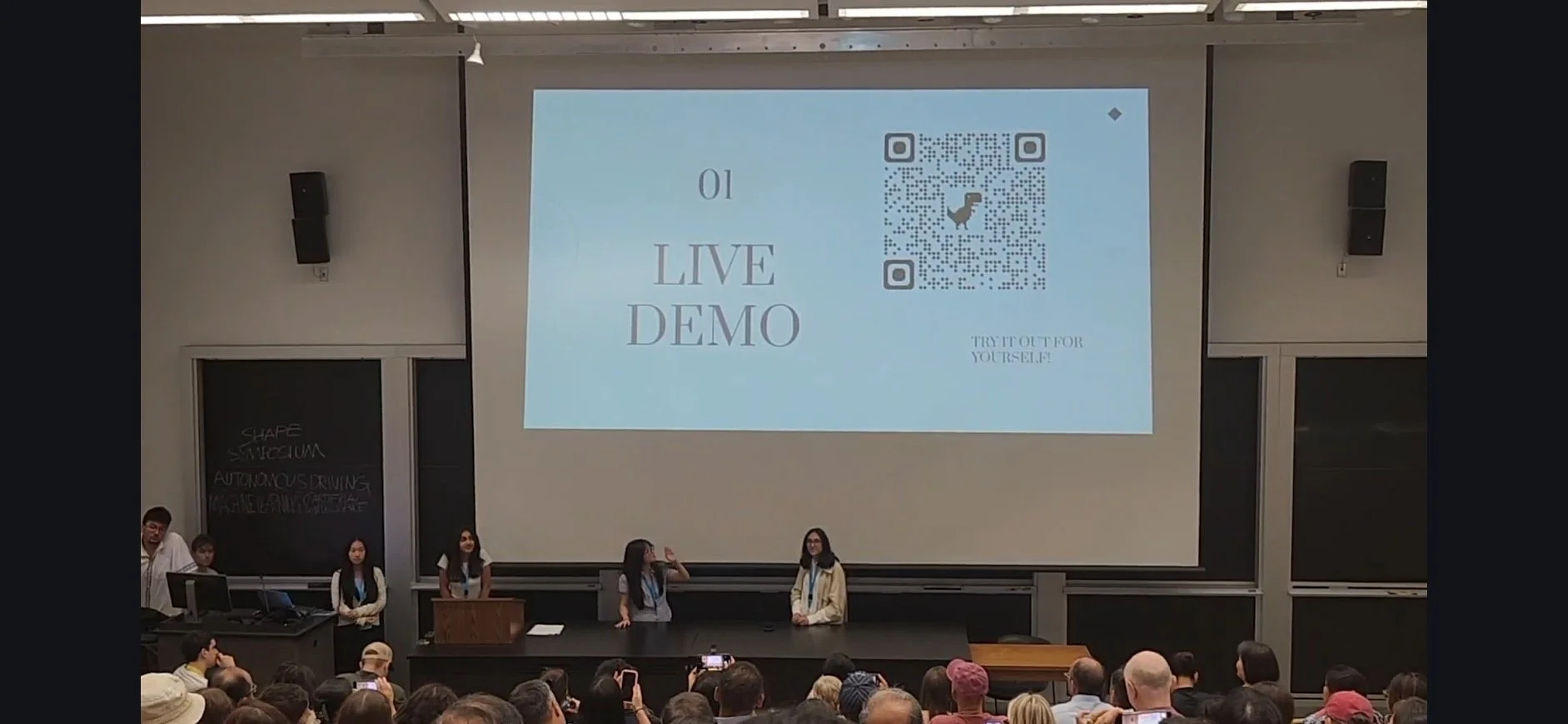
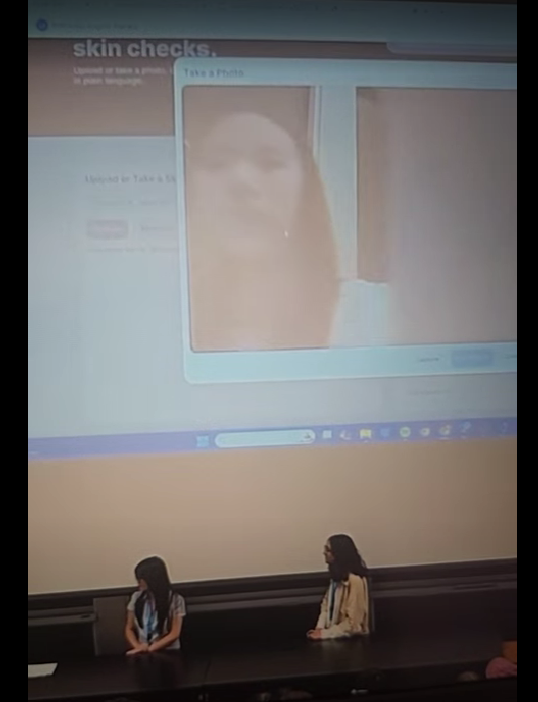
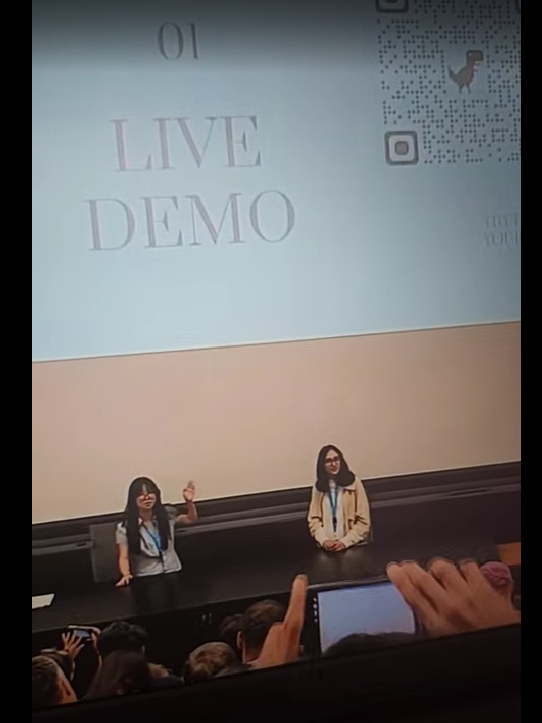
Columbia University — Doctor Skin – Skin Cancer Classification Chatbot (Python, CNN, NLP) | 2025
Developed an AI-powered chatbot that integrates convolutional neural networks for skin cancer image classification with natural language interaction.
Program: Capstone project, Columbia SHAPE Program (Prof. Daniel Bauer)Approach: Combined image classification (CNN) with conversational AI (NLP)Outcome: Built a functional prototype and delivered an 8-minute final presentation to faculty and peersImpact: Explored applications of AI in healthcare, emphasizing accessibility and early diagnosis support
Energy-Efficient 6G Networks – Research Internship (Simulation, AI/ML) | 2025
Program: Research internship, Department of Electrical Engineering, IIT Bombay (Dr. Rashmi Kamran)
Approach: Investigated energy efficiency aspects of next-generation 6G mobile networks through simulations and analytical modeling
Outcome: Completed simulations, documented findings, and presented results to research mentor
Impact: Contributed to sustainable network design research and gained hands-on experience in applied AI for communication systemsStevens Institute of Technology — Exploring the Human Brain with Virtual Reality (Neuroscience, VR)| 2025
Course:Exploring the Human Brain with Virtual Reality (Prof. Paola DiMarzio)
Studied neuroscience and cognitive science through immersive virtual reality–based learning, exploring how brain structure and function relate to behavior and perception.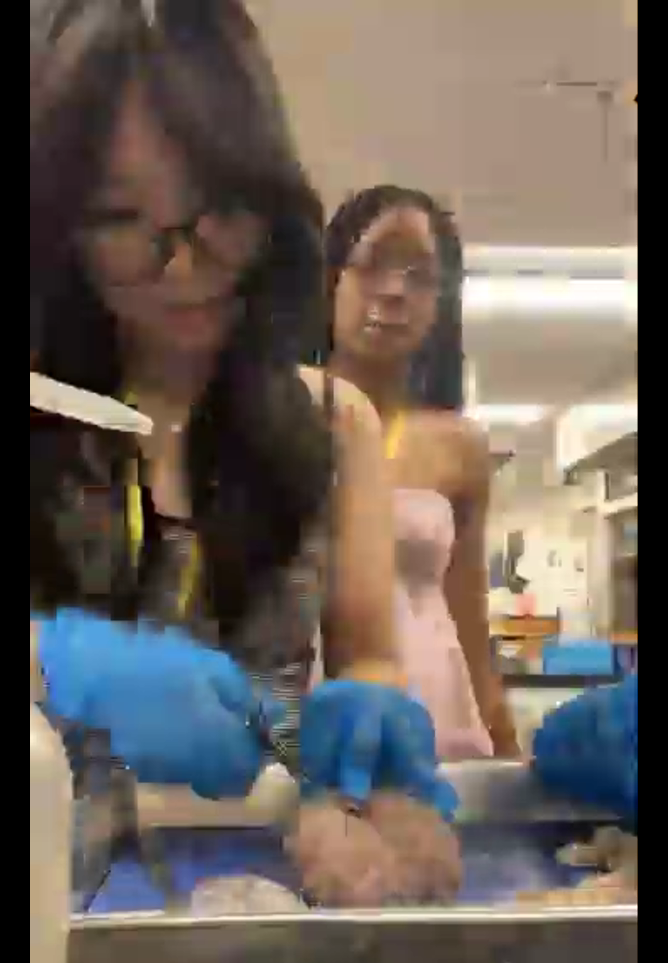
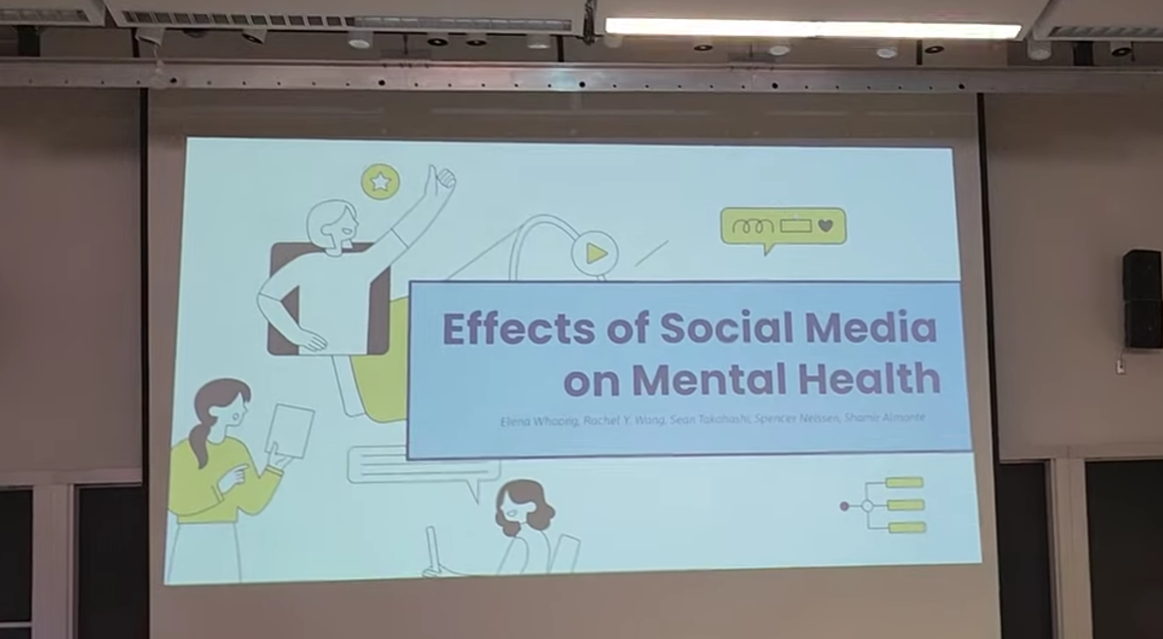
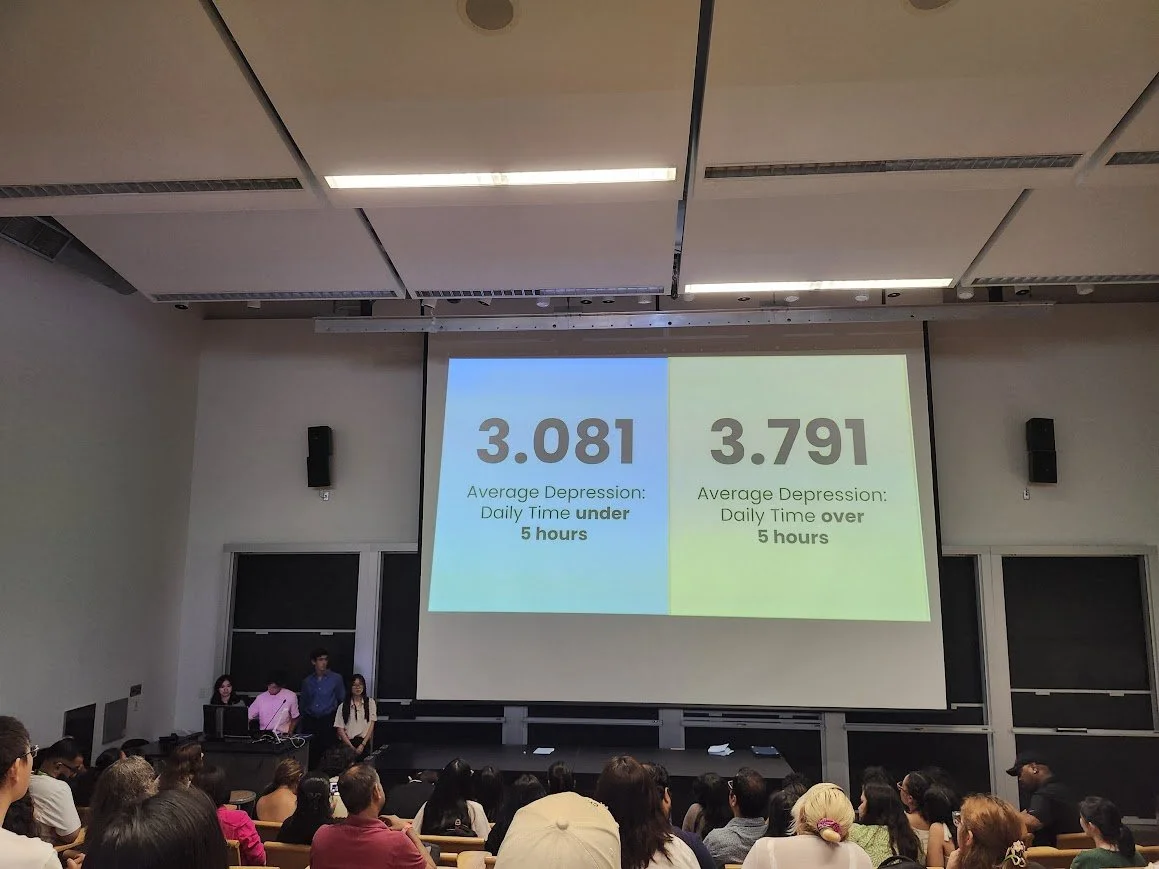
Columbia University — Effects of Social Media on Mental Health (Data Science Project) | 2024
Program:Columbia SHAPE Program (Columbia Engineering, Prof. Yi Zhang)
Analyzed the relationship between social media usage and mental health outcomes using data-driven methods and statistical modeling.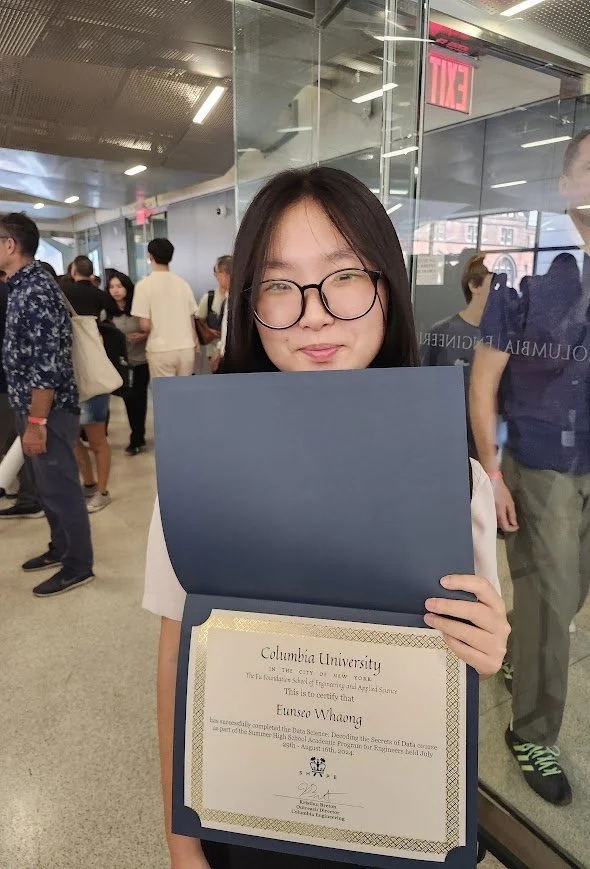
National History Day (NHD) 2025 – Individual Documentary
Theme:“The Rights and Responsibilities of Leadership”
Title:“Colin Powell’s American Journey”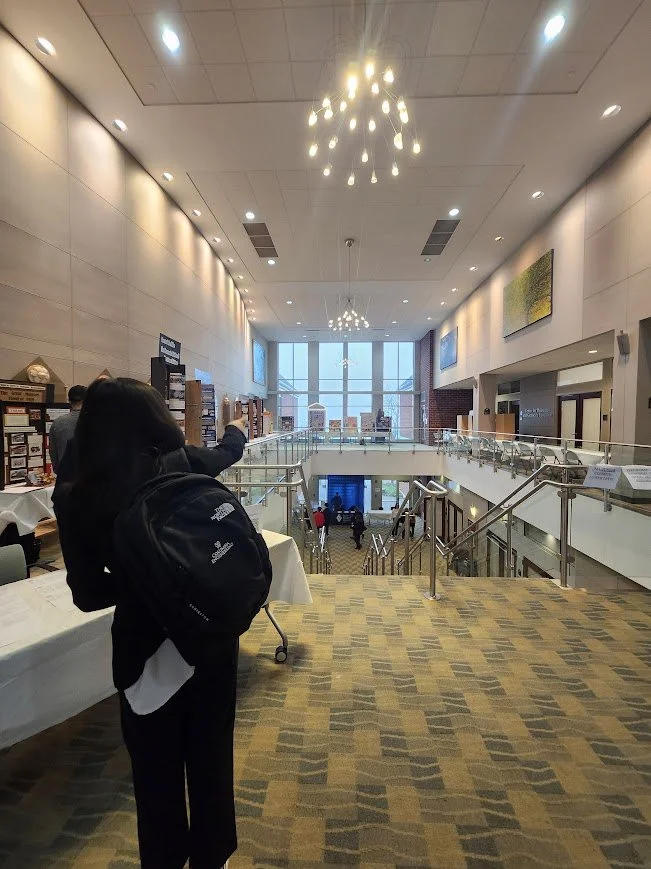
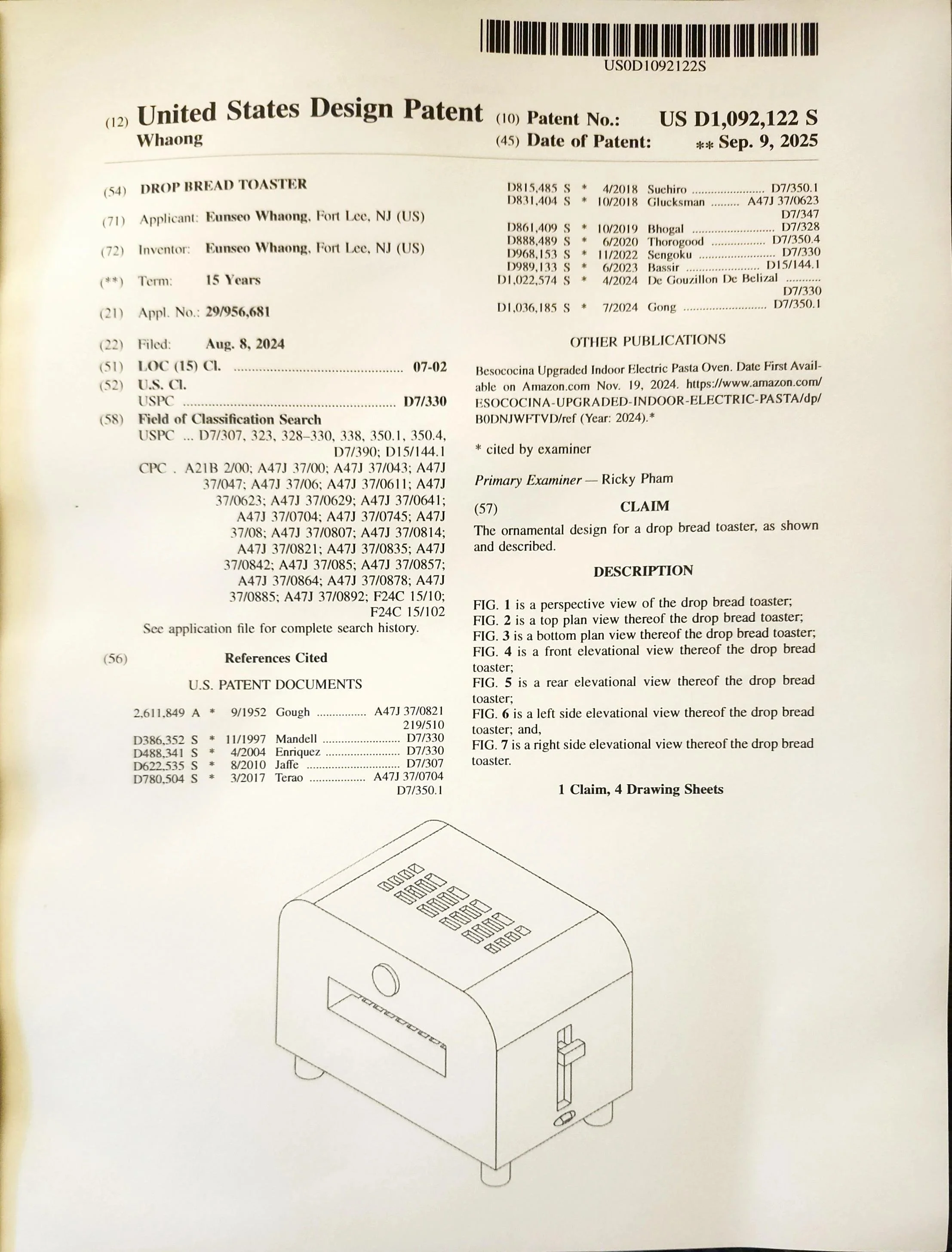
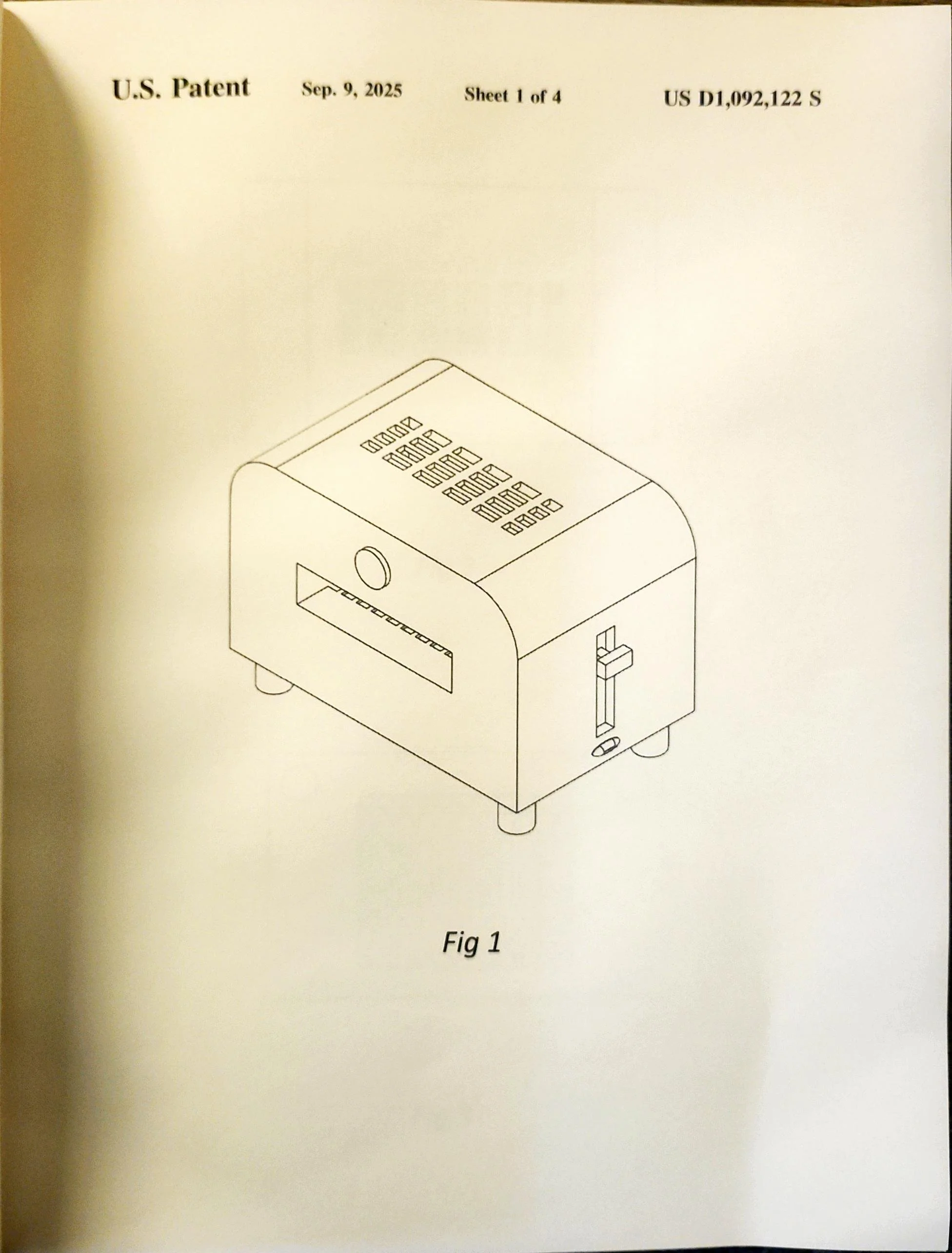
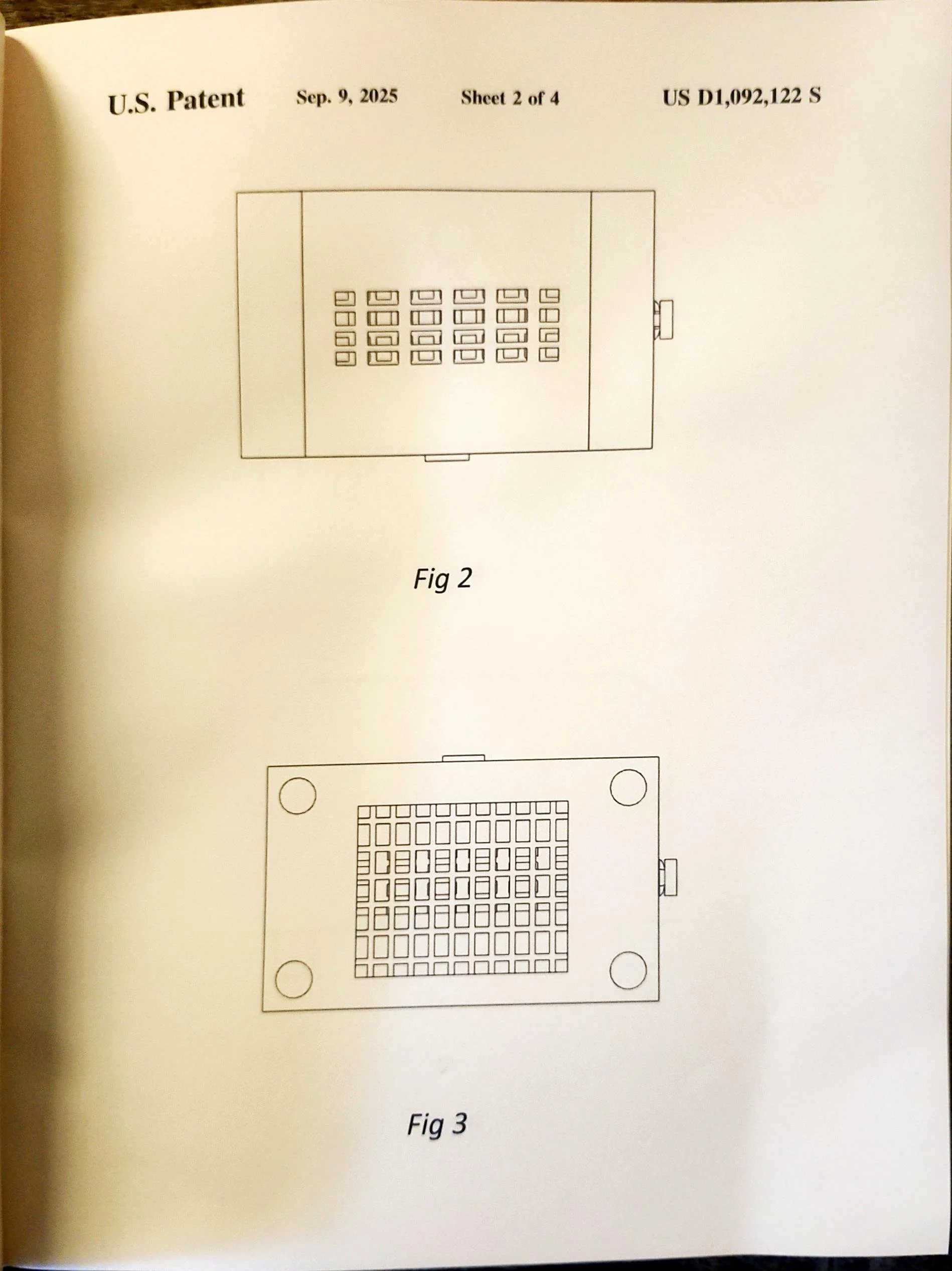
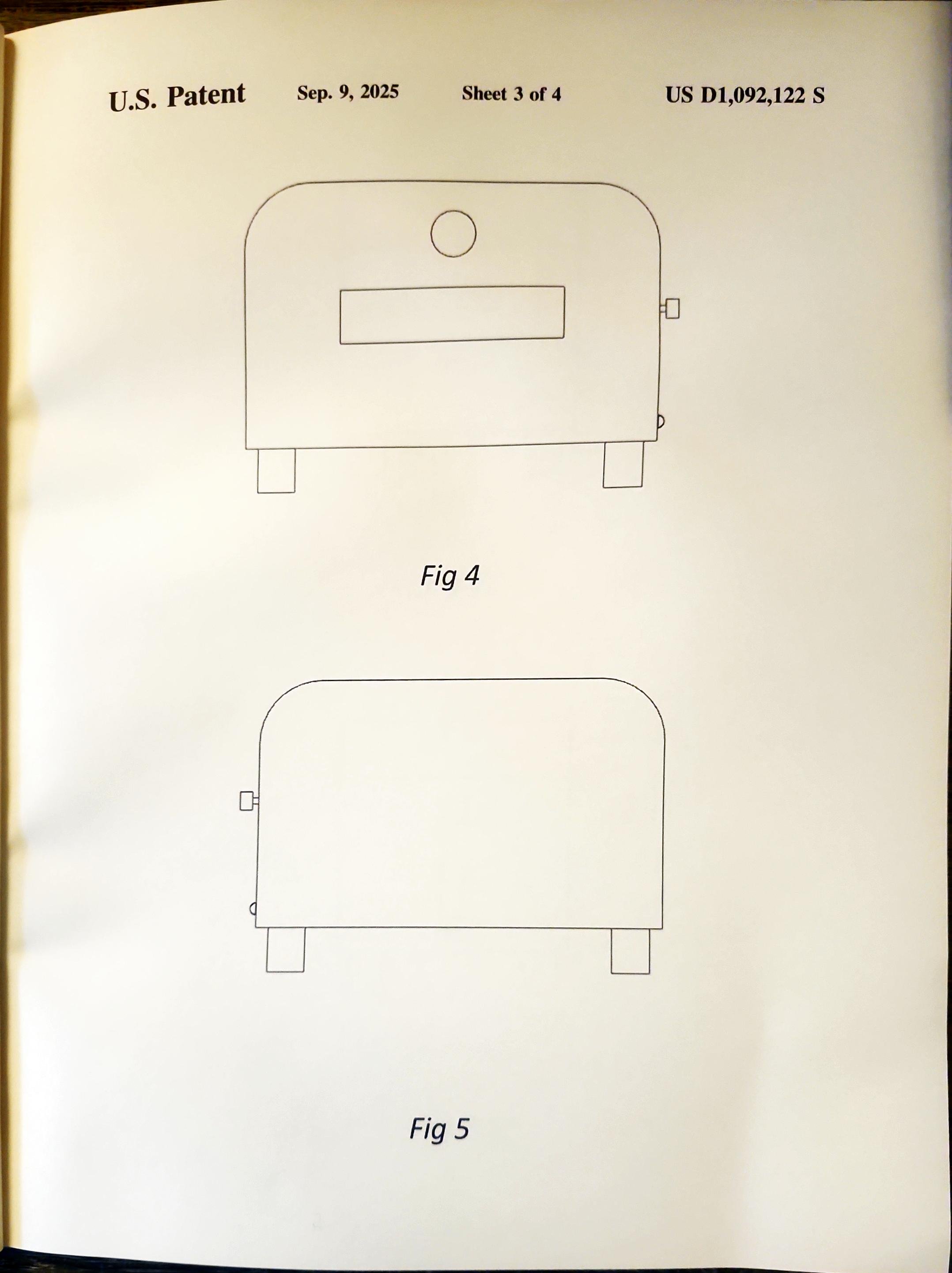
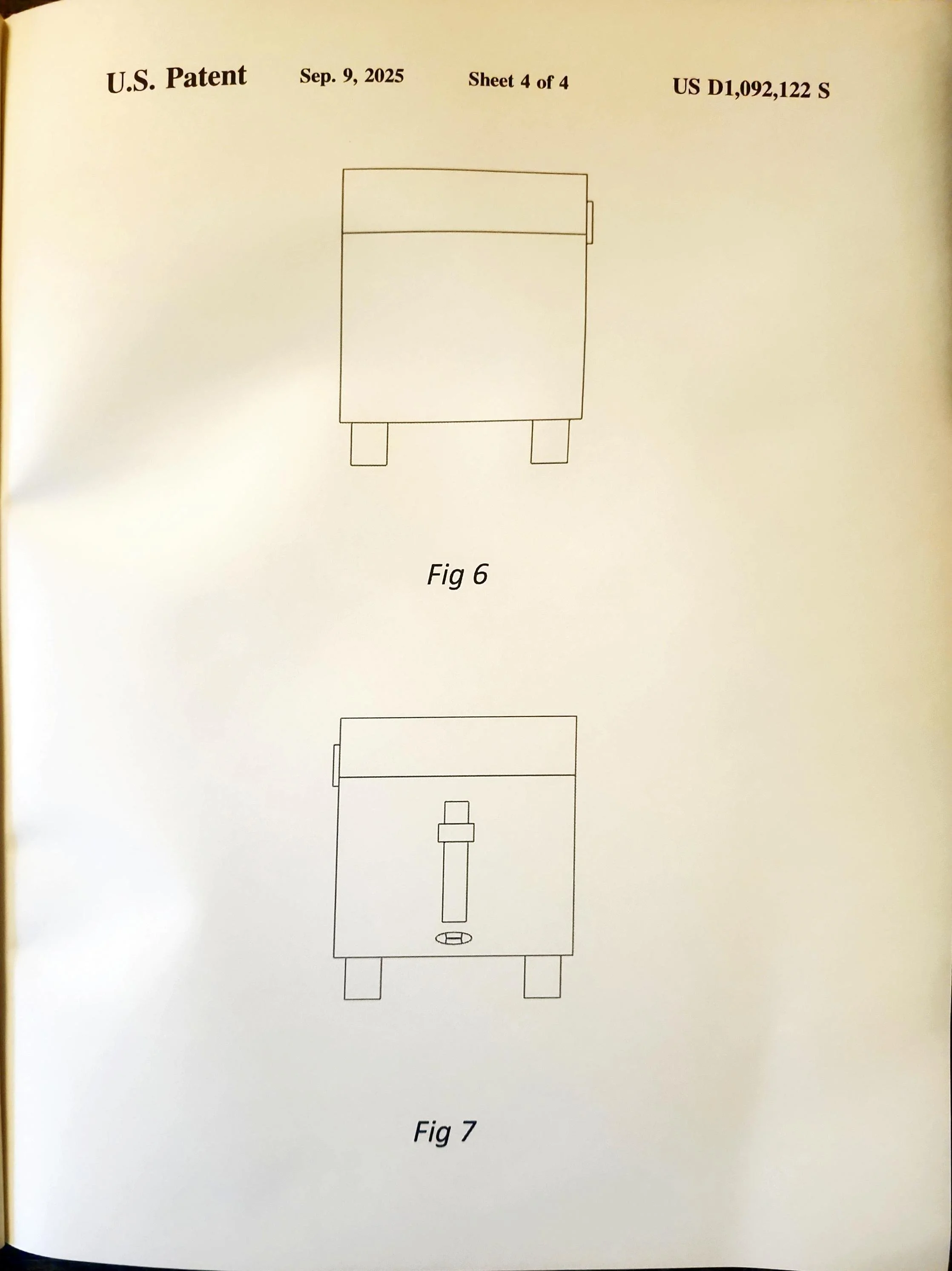
Design Patent: “Drop Bread Toaster” – Inventor
Filed Aug 2024 | Granted July 2025 (USPTO Application No. 29/956,681)
Developed an innovative toaster that automatically cooks and ejects bread after insertion.
Patent granted after 15 months of examination by the United States Patent and Trademark Office.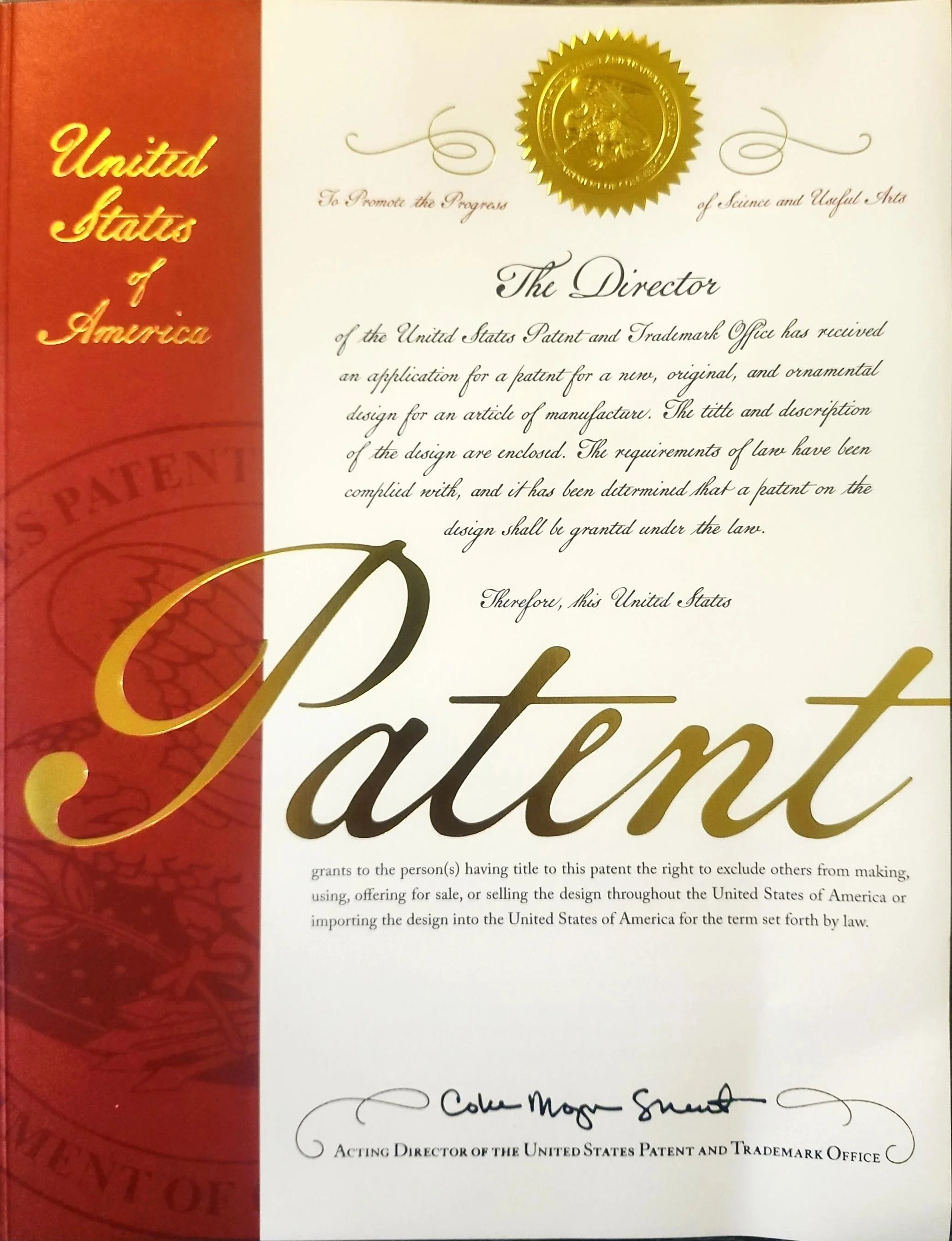
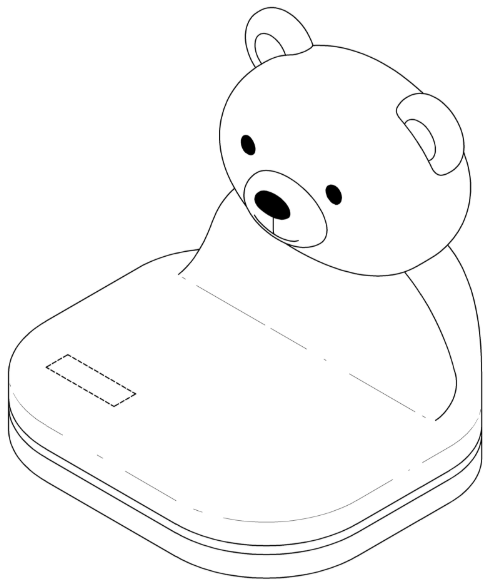
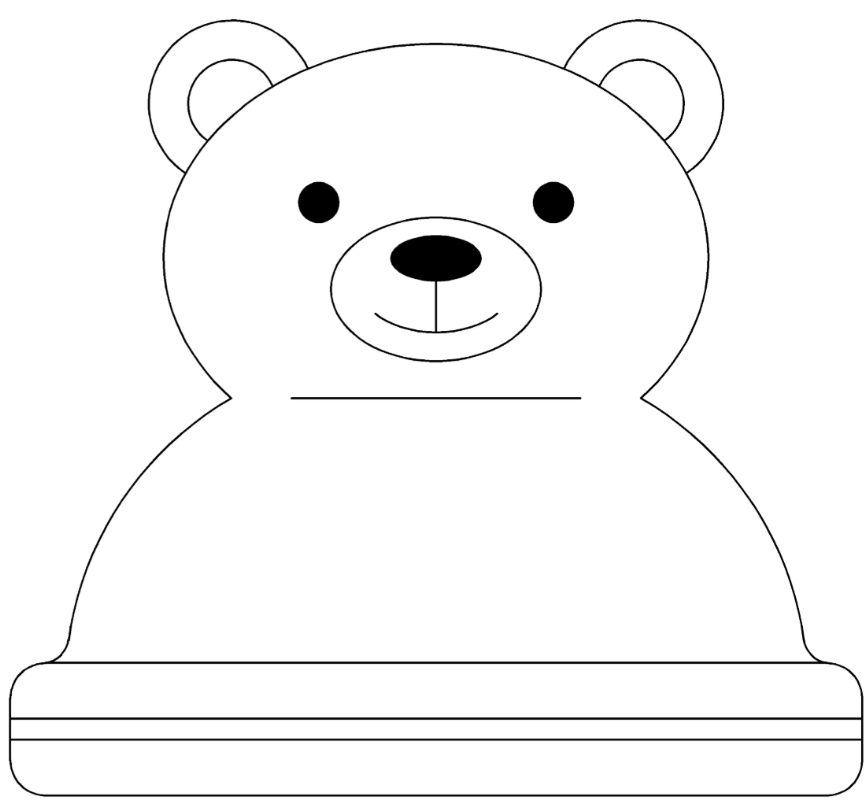
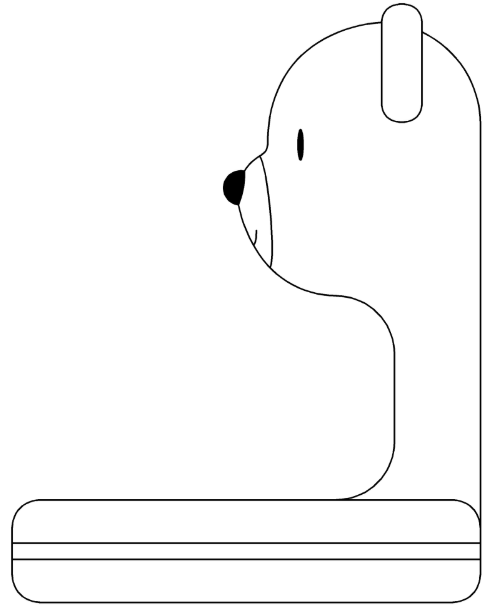
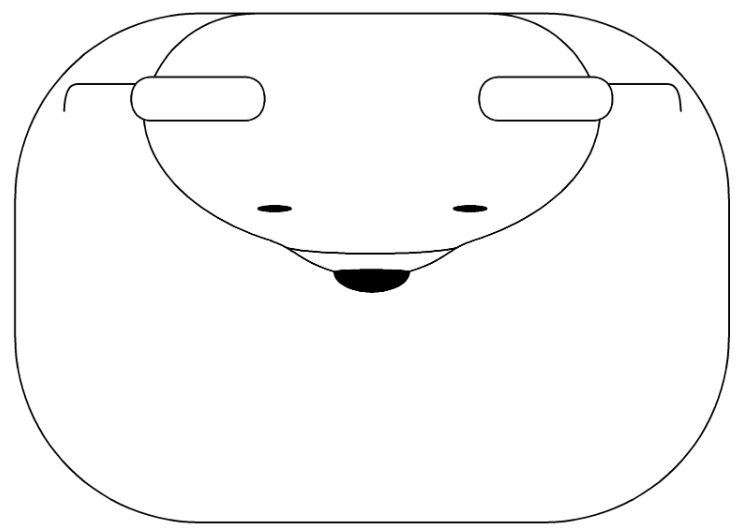
Design Patent: “Focus Time Pad” – Inventor
Filed August 2025 by USPTO (Application No. 30/018,792)
Created a bear-shaped cushion with an integrated timer to help children with ADHD and concentration difficulties.
Designed to combine tactile comfort with visual time cues, supporting focus in classrooms, therapy sessions, and at-home learning.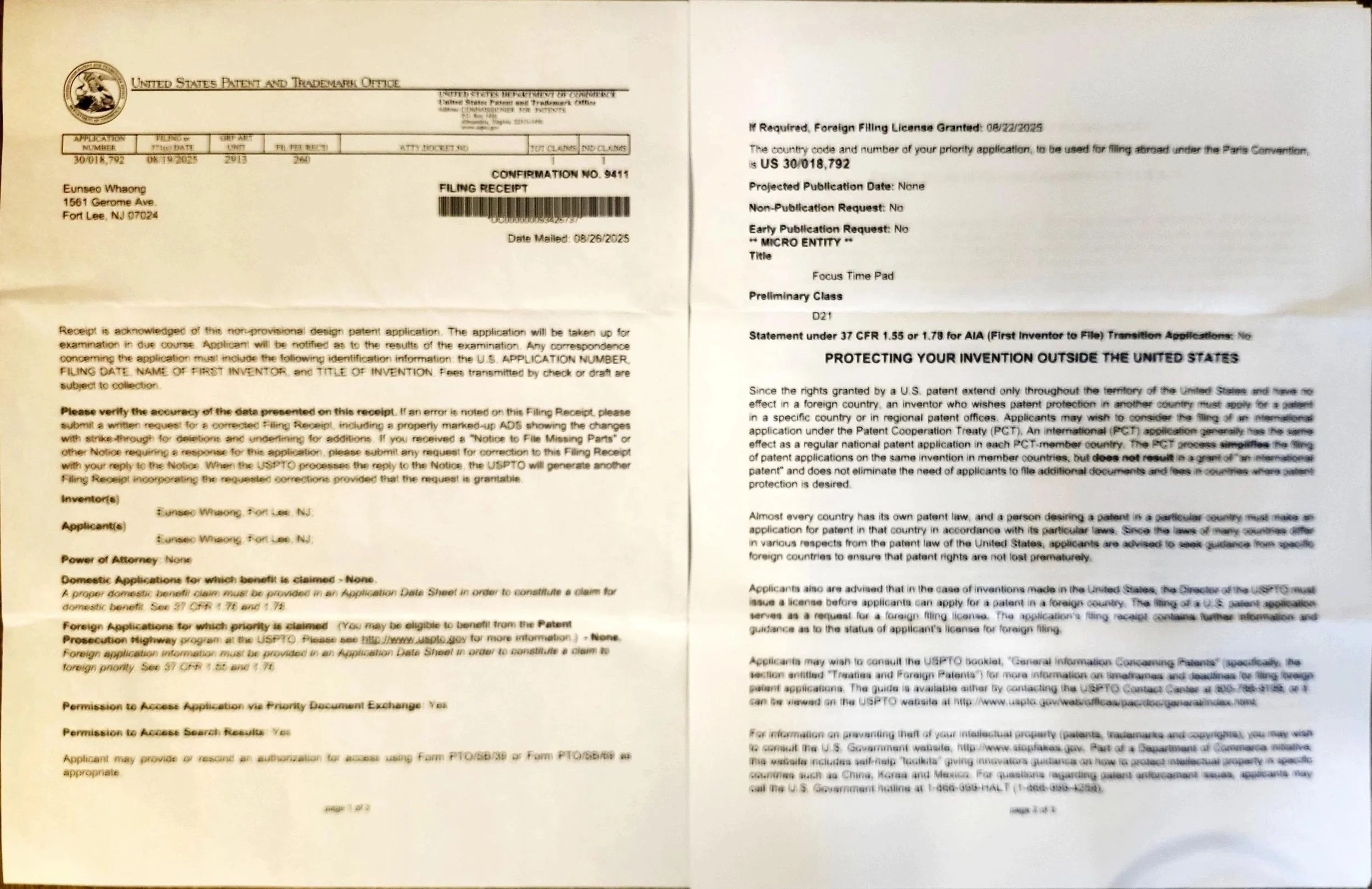
Comparative analysis of AI/ML driven QCHAT-10 and QCHAT-25 methodologies for Autism screening in toddlers using different classifiers
National High School Journal of Science (NHSJS), Individual Research Raleigh, NC Sep 2025-current
• Conducted an independent study, “Comparative Analysis of AI/ML driven QCHAT-10 and QCHAT-25 Methodologies for Autism Screening in Toddlers Using Different Classifiers,” invited for Revision Stage (after peer review)• Conducted an independent study, “AI in Autism Screening Research: Comparative Analysis of QCHAT-10 and QCHAT-25 Using Machine Learning,” invited for Revision Stage (after peer review)